
Comparing Insulated Pools vs Traditional Concrete Pools
What Makes Insulated Pools a Smarter Alternative to Traditional Concrete?
When homeowners start comparing pool options, the conversation often begins with traditional concrete simply because it’s familiar. But familiarity doesn’t always mean better performance. Insulated pools represent a more modern approach, using integrated insulation systems that fundamentally improve how a pool functions, feels, and performs over time.
Unlike standard concrete pools, insulated pools are built with insulation built directly into the pool walls and structure, typically using insulated concrete form (ICF) technology. This creates a pool shell that is not only strong and durable but also designed to reduce energy loss from day one. Instead of relying on raw concrete alone, insulated pools are engineered to perform — much like today’s high-efficiency homes.
Why Does Insulation Matter So Much in Pool Construction?
Water temperature stability is one of the biggest challenges with any pool. Most heat loss doesn’t happen at the surface — it happens through the pool walls and floor as heat transfers into the surrounding soil. Traditional concrete pools offer little resistance to this heat loss, which means heaters have to work harder and longer to maintain comfortable temperatures.
Insulated pools solve this problem by surrounding the concrete core with continuous insulation. This thermal barrier dramatically slows heat transfer, allowing water to stay warmer for longer periods with far less energy input. The result is a pool that feels more comfortable, costs less to operate, and is usable for more months of the year.
For homeowners who care about energy efficiency and long-term performance, insulation isn’t an upgrade — it’s a necessity.
How Do Insulated Pools Reduce Energy Costs?
Heating a pool can be one of the most expensive aspects of pool ownership. Because insulated pools retain heat far more effectively, they require significantly less energy to maintain temperature. That means heaters cycle less frequently, energy bills are lower, and wear on mechanical equipment is reduced.
Over time, these savings add up. Homeowners with insulated pools often see dramatically reduced heating costs compared to non-insulated concrete pools, especially in cooler evenings, shoulder seasons, or regions with variable temperatures. This mirrors the same energy-efficiency logic used in high-performance home construction: stop energy loss at the source rather than paying to replace it continuously.
Are Insulated Pools Faster and More Predictable to Build?
Insulated pool systems are typically built using modular, pre-engineered components that assemble quickly and accurately on site. Instead of forming everything from scratch, builders stack and reinforce insulated forms, then fill them with concrete. This streamlined process reduces construction time, labor complexity, and weather-related delays.
Faster construction doesn’t mean lower quality. In fact, the precision of insulated systems often leads to more consistent results and fewer onsite errors. Homeowners benefit from shorter build timelines and a clearer path from excavation to completion — a major advantage for anyone eager to enjoy their pool without months of disruption.

How Do Insulated Pools Perform Structurally Over Time?
An insulated pool combines reinforced concrete with rigid foam insulation, creating a composite wall system that is exceptionally strong. The concrete provides structural integrity, while the insulation helps absorb stress, reduce cracking from temperature fluctuations, and protect the concrete from moisture exposure.
This layered approach results in a pool structure that resists soil pressure, ground movement, and long-term wear more effectively than concrete alone. It’s the same principle used in resilient, disaster-resistant home construction — strength paired with smart material design. Over decades, this translates to fewer structural issues and less costly maintenance.
Do Insulated Pools Support Eco-Conscious Living?
Insulated pools align naturally with sustainable design principles. By reducing energy consumption, they lower the environmental impact associated with pool heating and operation. Less energy use means fewer emissions and a smaller carbon footprint over the life of the pool.
This approach reflects the same values behind high-performance building systems used by ECO Smart Homes: continuous insulation, reduced waste, and smarter resource use. An insulated pool isn’t just a luxury feature — it’s an extension of an eco-conscious lifestyle that values efficiency without sacrificing comfort.
How Does Insulation Improve Comfort and Usability?
Comfort goes beyond temperature. Insulated pools provide a more stable swimming experience overall. Water temperatures fluctuate less between day and night, making spontaneous swims more enjoyable. The pool feels inviting sooner in the season and stays comfortable later into the year.
Because insulated pools reduce thermal stress on equipment, systems tend to operate more smoothly and quietly. For homeowners, this means a pool that feels more refined, more predictable, and easier to enjoy without constant adjustments or monitoring.

Are Insulated Pools Compatible With Custom Designs?
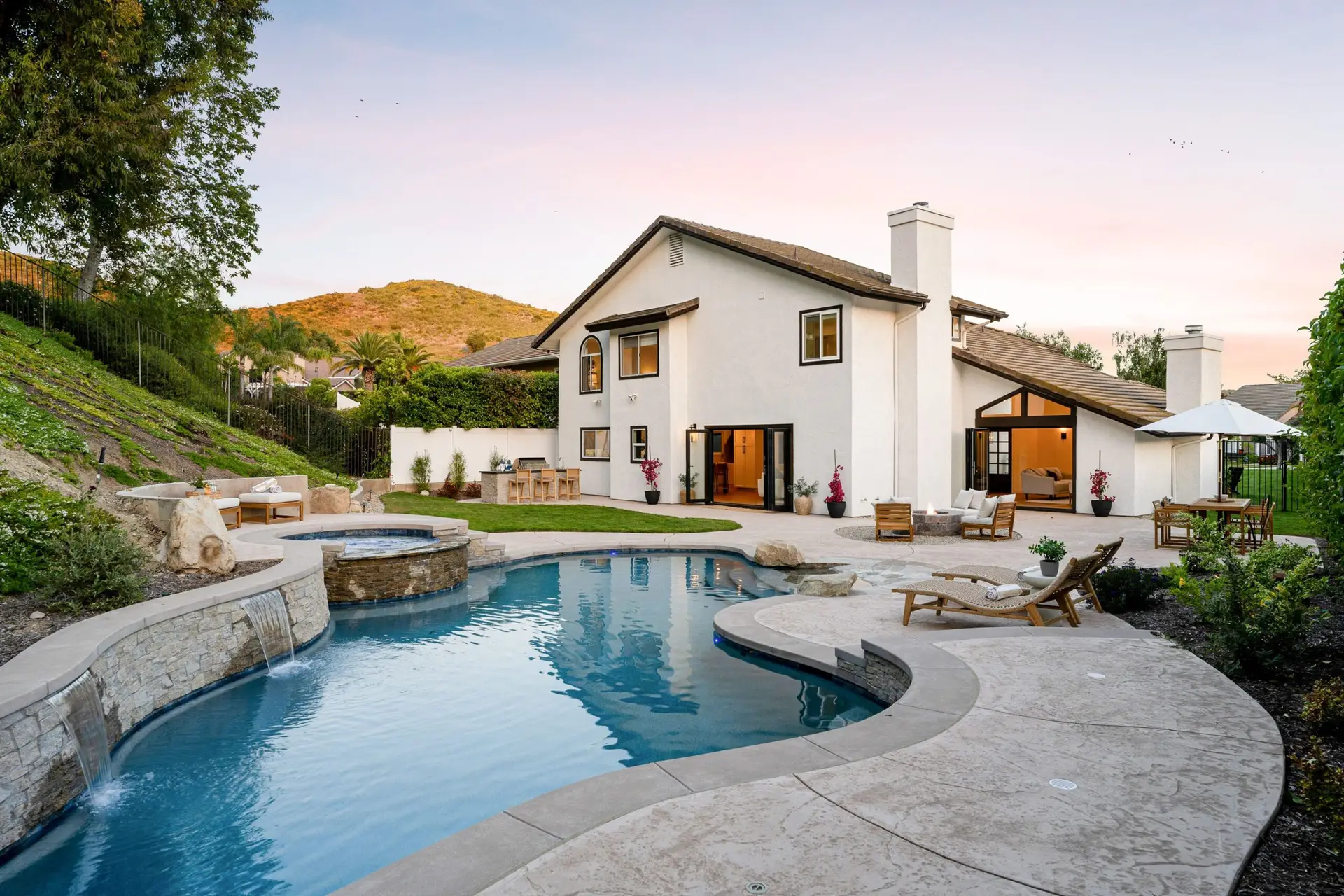
A common misconception is that insulated systems limit design options. In reality, insulated pool forms can be shaped, cut, and adapted to support a wide range of layouts, including steps, benches, curves, and custom depths. Homeowners can still achieve modern, elegant designs while benefiting from superior thermal performance.
This flexibility allows insulated pools to integrate seamlessly with contemporary landscapes, outdoor living areas, and eco-friendly homes. Performance doesn’t come at the expense of aesthetics — it enhances them.
Why Are Performance-Focused Homeowners Choosing Insulated Pools?
Today’s homeowners are more informed than ever. They understand that long-term costs, comfort, and sustainability matter just as much as initial appearance. Insulated pools appeal to people who want their outdoor spaces to perform as well as their homes — efficiently, reliably, and responsibly.
Much like insulated wall systems revolutionized modern home construction, insulated pools represent the next step forward in outdoor living. They reduce energy waste, improve comfort, and deliver long-term value without compromise.
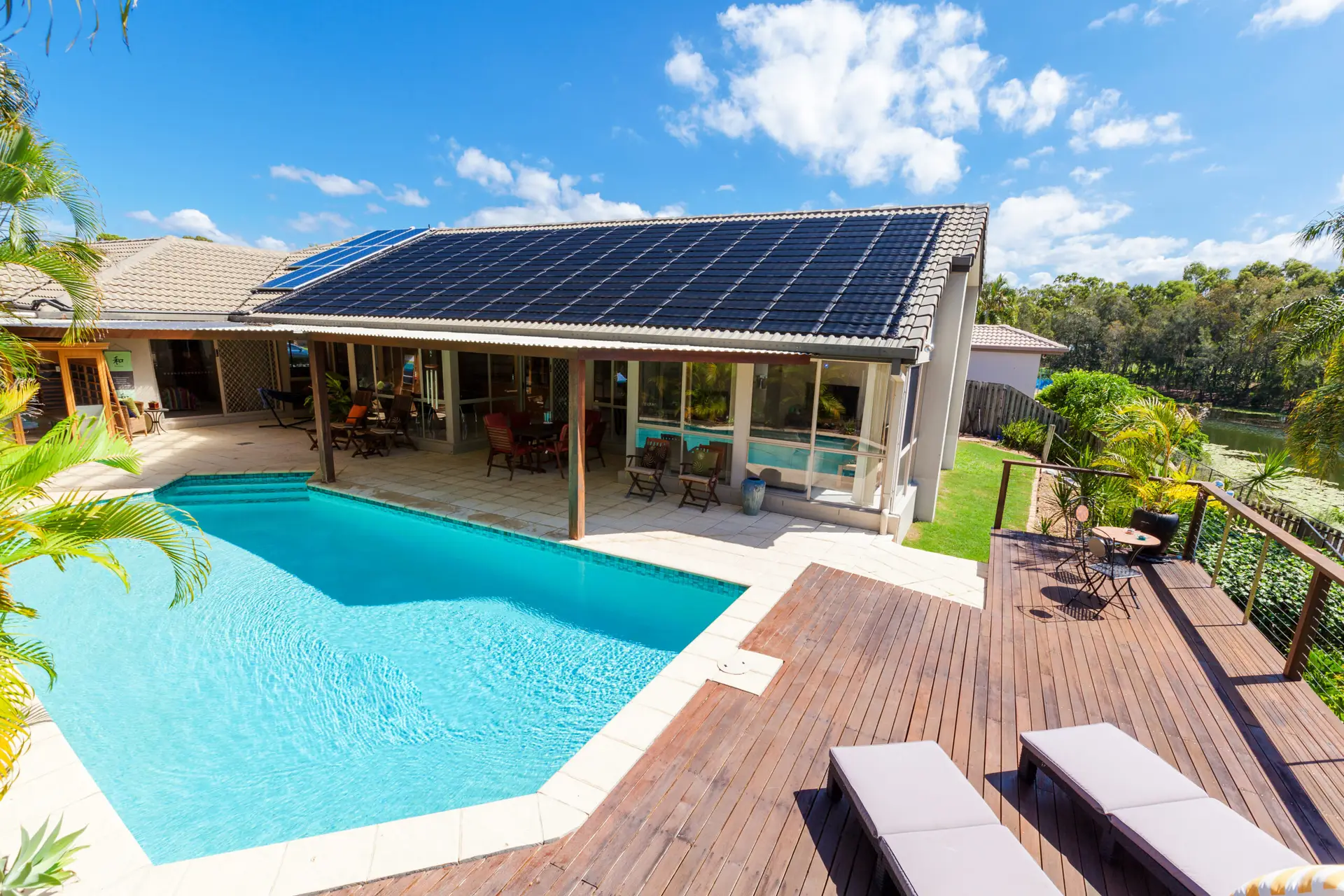
Is an Insulated Pool the Future of Pool Construction?
As building standards continue to evolve and energy costs rise, insulated pools are increasingly viewed not as an alternative, but as the new standard. Homeowners who invest in insulated pools are choosing smarter construction, better performance, and a more sustainable way to enjoy their property.
Rather than accepting the limitations of traditional concrete, insulated pools offer a clear path forward — one that prioritizes comfort, efficiency, and durability from the ground up.