
How We Build for Freeze-Thaw Climates (Without Cracks)
What Is a Freeze-Thaw Climate and Why Does It Matter?
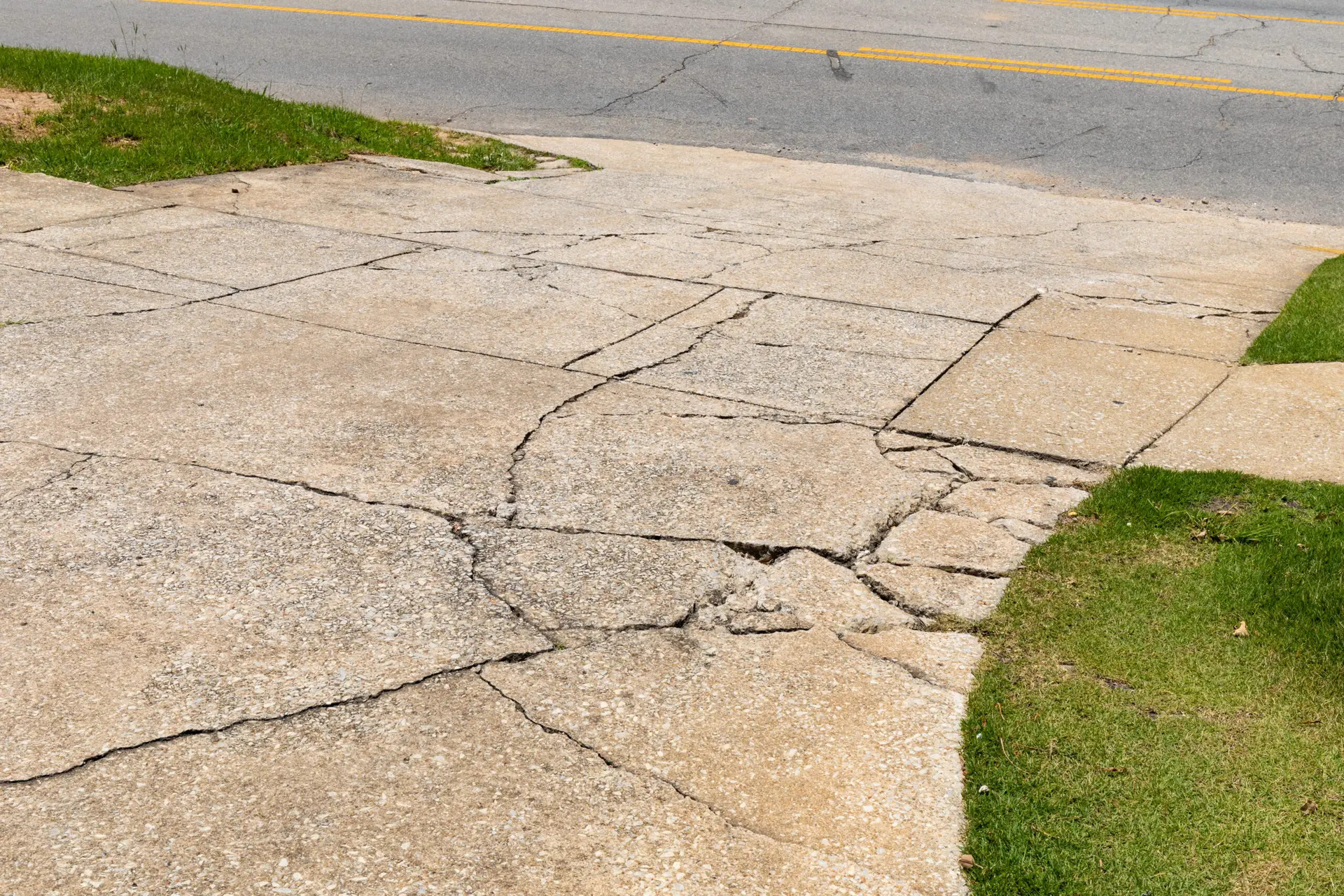
If you live where winters bring freezing temperatures followed by warm days, you’re familiar with nature’s relentless cycle of water freezing and thawing. Water expands as it freezes, then contracts again when it melts. Over time, that expansion and contraction can put enormous stress on building materials and foundations, leading to cracks, gaps, and structural issues if everything isn’t built to handle it. Engineers recognize this as one of the key threats to homes in cold-weather regions because each cycle of freeze and thaw can widen tiny fissures into bigger problems, especially around concrete, masonry, and poorly protected surfaces.
At EcoSmart Homes, every building we design and construct—including our ADUs and full homes—is intentionally engineered to withstand these forces. Our approach isn’t about patching problems after they occur; it’s about preventing them by designing for freeze-thaw resilience from the ground up.
How Do Our Foundations Resist Freeze-Thaw Cracking?
Traditional slab-on-grade foundations often struggle in freeze-thaw climates because they sit directly on the ground where water can saturate and then expand as ice. That seasonal swelling and shrinking pressure can lead to cracking and uneven settling.
Instead, EcoSmart Homes uses a shallow frost-protected foundation system that combines smart insulation with structural stability. This foundation system acts both as the structural base for your ADU and as a thermal shield, limiting how much of the ground around the foundation ever dips below freezing temperatures. By keeping the soil beneath and around the foundation warmer and more stable, we reduce the chances of soil heave and the pressure that leads to cracking. This method also improves moisture control and makes the entire building platform more durable over time.
Rather than relying on a deep concrete slab that must withstand freeze pressure without help, our insulated floor panels and engineered footing forms work together to protect the structure. This means you get a strong, insulated base that doesn’t trap moisture or let temperature swings reach critical building elements.

What Makes Our Building Materials Better for Extreme Temperature Swings?
In a freeze-thaw environment, the materials you choose can make all the difference. Traditional wood framing and standard concrete can absorb moisture, and as that water freezes inside them, tiny cracks form and grow over time. After many cycles, these micro-cracks can become visible lines and structural problems.
EcoSmart Homes approaches this challenge by building with high-performance materials that resist moisture and thermal stress. The core of our construction system is engineered EPS (expanded polystyrene) paired with structural metal framing. This combination doesn’t behave like traditional wood or masonry: it keeps moisture out, slows thermal movement, and maintains structural integrity even when temperatures fluctuate. Because our assemblies are sealed and highly insulated, there’s less opportunity for moisture to enter and freeze in the first place.
This material choice isn’t an afterthought; it’s part of a system designed to be airtight, highly insulated, and resistant to common freeze-freeze damage pathways. Those same properties help us deliver homes that are energy efficient and comfortable in all seasons—not just safe from cracks.
Why Is Moisture Control So Important in Freeze-Thaw Design?
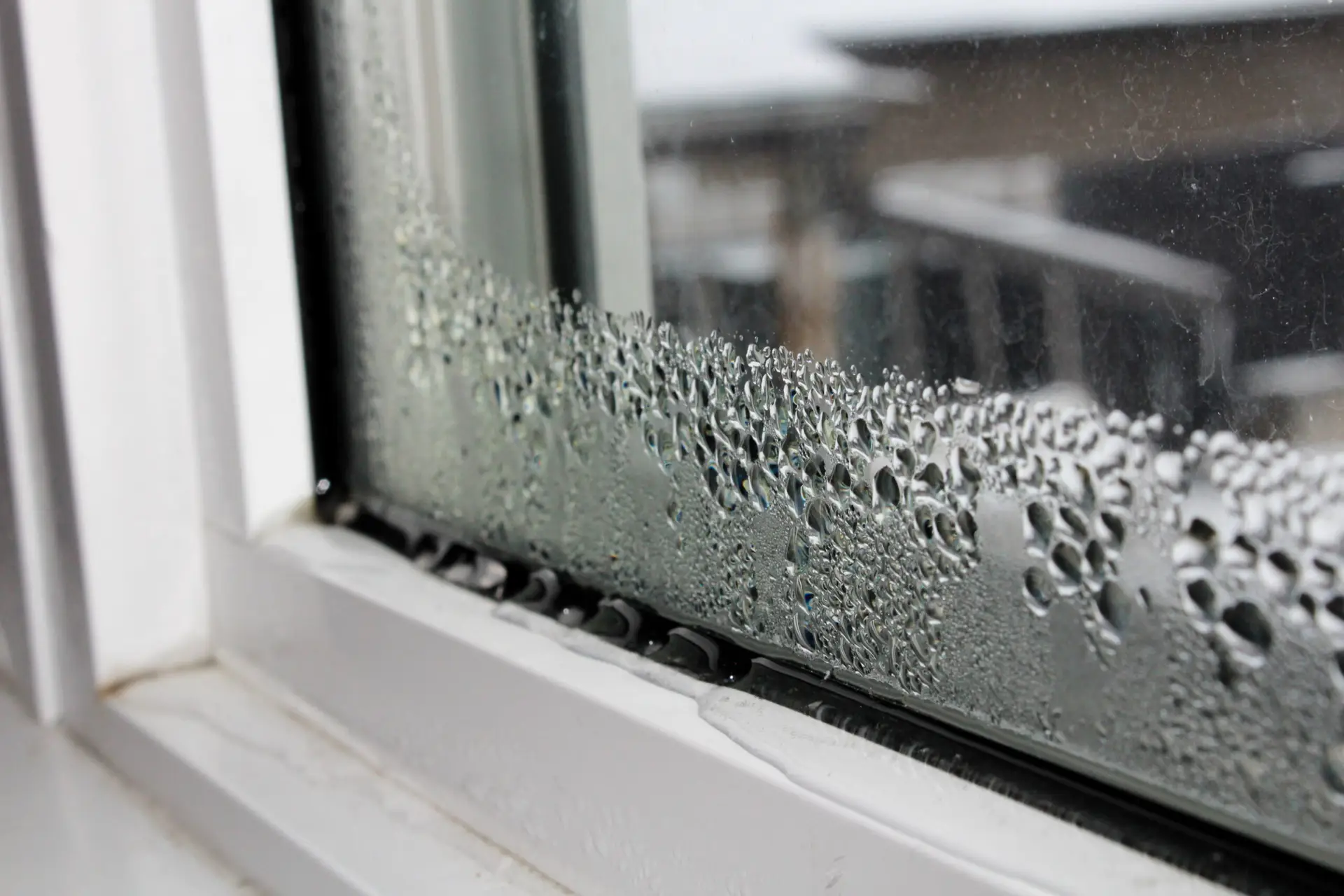
You’ve probably heard that water is the enemy in cold climates—and it’s true. Water that sits against a foundation, seeps into walls, or doesn’t drain away properly is the starting point for freeze-thaw damage. That’s why moisture control isn’t just an add-on for EcoSmart Homes; it’s part of the core building strategy.
To manage moisture, we pay attention to everything from the way the building site is prepared to how water flows around your ADU after it’s finished. Proper grading directs water away from the foundation. Vapor barriers and insulated panels work to ensure ground moisture doesn’t infiltrate the structure. Even the way our floor system is sealed and insulated prevents water from wicking into sensitive areas that could be vulnerable during freeze events.
When you eliminate the source of water intrusion, you eliminate the driving force behind freeze-thaw expansion and contraction. This proactive approach reduces the potential for cracks before they ever start.
How Do We Keep Your ADU Warm Without Creating New Problems?
People often think of insulation only as a comfort feature, but in freeze-thaw climates it’s also protection. Most conventional homes rely on layers of insulation that still allow cold bridges—points where cold temperatures penetrate the interior envelope. Those cold bridges become anchors for frost and ice, and they drive more freeze-thaw stress.
EcoSmart Homes uses continuous, high-R-value insulation in every wall, floor, and roof assembly we build. That continuous insulation not only keeps your energy bills lower and interior temperatures more stable, it also keeps the building shell warmer on the outside surfaces that matter. Warm exterior surfaces reduce the amount of moisture that can freeze and expand, which in turn reduces cracking risks.
This is why our homes are rated for a much higher insulation value than traditional construction: it’s not just comfort, it’s foundational resilience.
What Happens After the Build Is Complete?
Building to resist freeze-thaw conditions isn’t a short-term fix—it’s a long-term investment in durability. Once an EcoSmart Home or ADU is complete, the materials and systems work together to protect the structure year after year. Homeowners benefit from lower energy costs, fewer maintenance issues related to cracking or moisture damage, and a stronger, more comfortable living space overall.
In regions where winter temperatures fluctuate and moisture is present, freeze-thaw forces are a reality. But with intentional design, engineered foundations, moisture-resistant materials, thermal continuity, and strategic insulation, those forces don’t have to show up as cracks or costly repairs. What you get is a home built to thrive no matter what the weather does.
If you’re thinking about building an ADU or expanding your living space in a climate that sees freezing winters, it’s worth asking how a home is constructed and what protections are in place. At EcoSmart Homes, building for freeze-thaw performance isn’t an afterthought—it’s how we’ve engineered every structure to last.