
A Builder's Guide to High-Performance Home Insulation
Why Does Insulation Matter More Than Ever in High-Performance Homes?
If you’ve been building for any length of time, you already know insulation matters. What’s changed is how much it matters. In a high-performance home, insulation is no longer a supporting player—it’s a central system that determines comfort, durability, energy use, and long-term performance.
At EcoSmart Homes, we don’t think of insulation as something you stuff between studs after the structure is complete. We treat it as an integrated part of the building itself. When insulation is continuous, properly detailed, and paired with the right materials, the entire home performs better. Temperatures stay consistent, mechanical systems work less, and the structure experiences less stress over time.
What Separates High-Performance Insulation from Conventional Insulation?
Conventional insulation strategies tend to focus on nominal R-values inside framed cavities. The problem is that this approach ignores thermal bridging, air leakage, and moisture movement. Studs, plates, and headers all conduct heat, allowing energy to bypass the insulation entirely.
High-performance insulation takes a different approach. It focuses on continuous insulation, meaning the thermal layer wraps the entire building envelope without breaks. This reduces heat loss, limits cold spots, and creates a more stable indoor environment year-round.
EcoSmart Homes builds with panelized wall systems that incorporate rigid insulation as part of the structure itself. Instead of relying on multiple trades to assemble insulation correctly on site, the insulation layer is engineered, consistent, and predictable. That consistency is one of the biggest advantages when building at a higher standard.
How Does Continuous Insulation Improve Energy Efficiency?
Energy efficiency isn’t just about how much insulation you have—it’s about where it is and how well it works as a system. Continuous insulation minimizes the temperature difference across walls, floors, and roofs. When those surfaces stay warmer in winter and cooler in summer, the home requires far less energy to maintain comfort.
In practical terms, this means smaller HVAC systems, lower operating costs, and fewer comfort complaints from homeowners. Rooms feel evenly conditioned instead of drafty or uneven. Floors stay warmer. Interior surfaces stay above dew point, which also helps with moisture control.
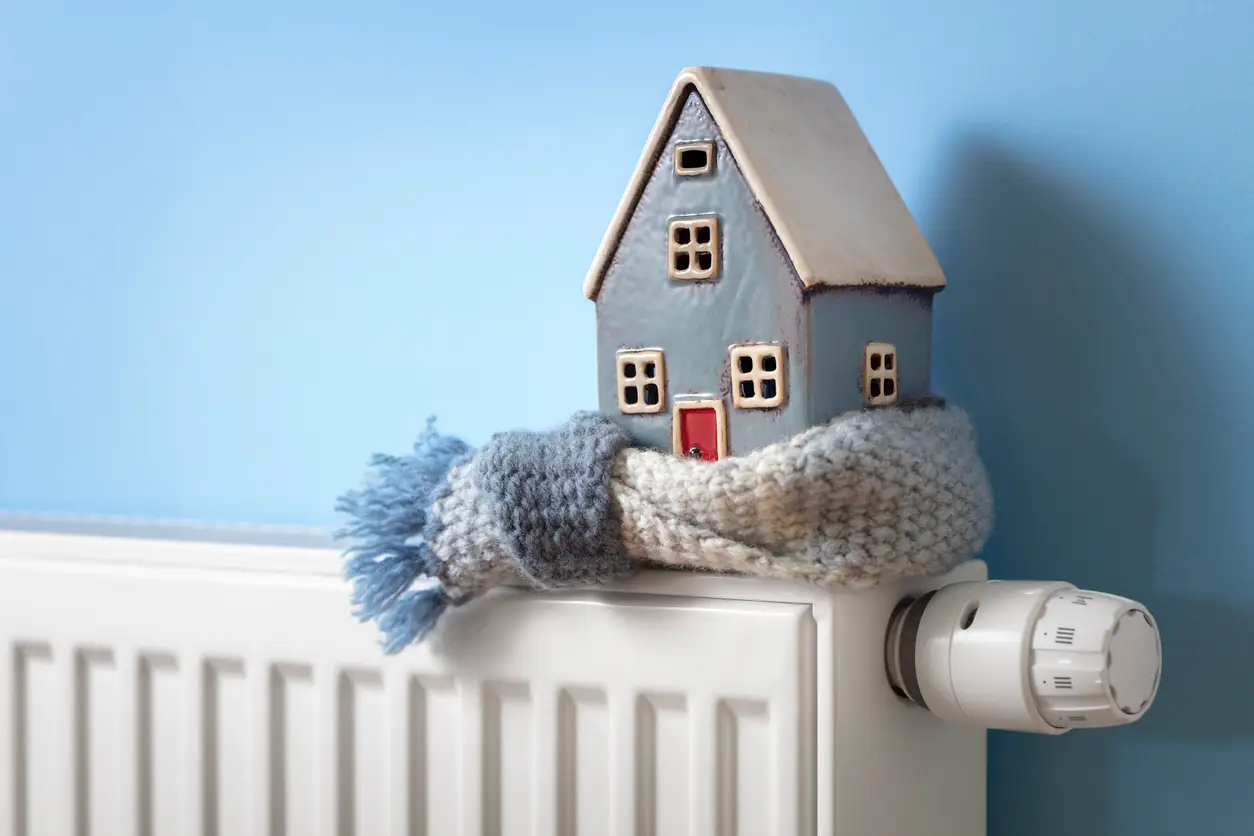
EcoSmart Homes’ insulation strategy supports this by surrounding the living space with a consistent thermal barrier. The result is a home that performs more like a thermos than a traditional framed structure.
Why Is Airtightness Just as Important as R-Value?
One of the most common mistakes in insulation design is focusing on R-value while ignoring air movement. Air leakage can undermine even the best insulation by carrying heat and moisture through gaps in the building envelope.
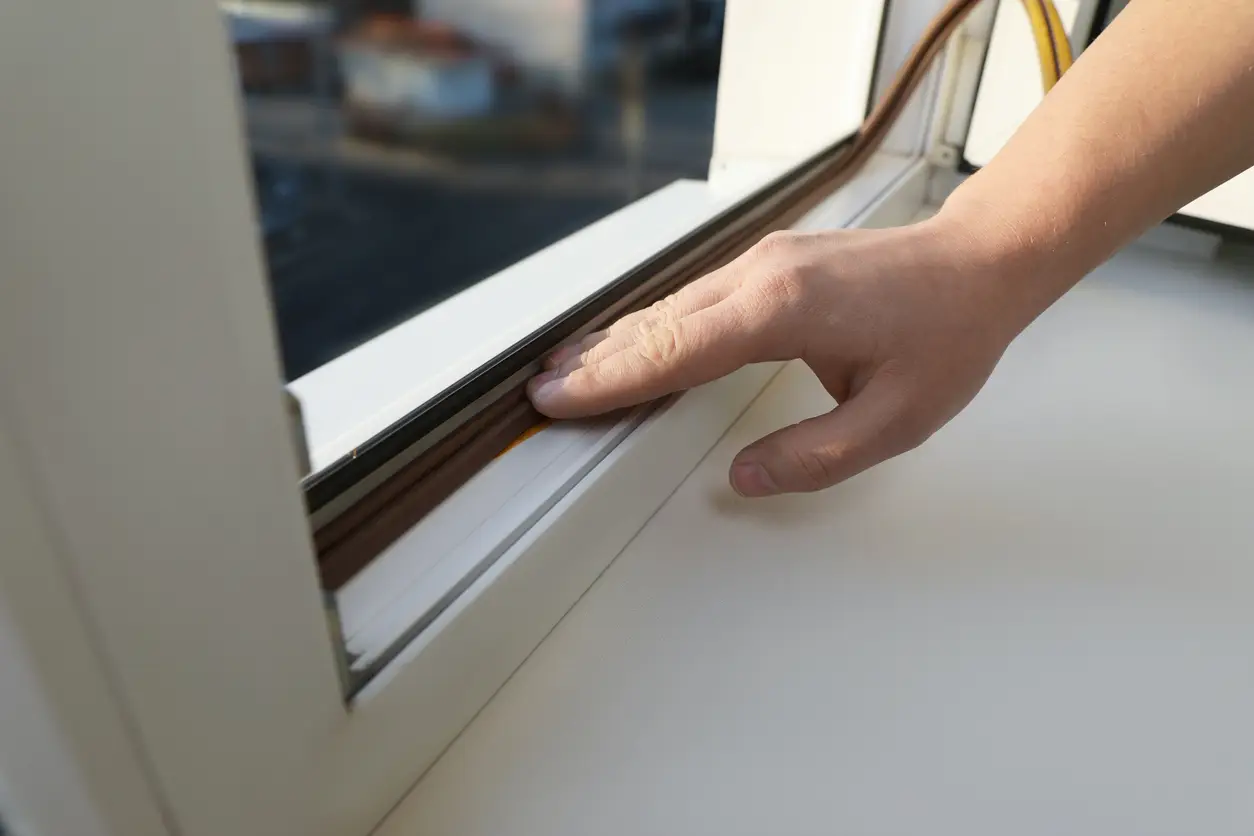
High-performance homes are intentionally airtight. This doesn’t mean they’re poorly ventilated—it means airflow is controlled rather than accidental. When insulation systems are designed to be airtight, they prevent drafts, reduce heat loss, and protect building materials from moisture migration.
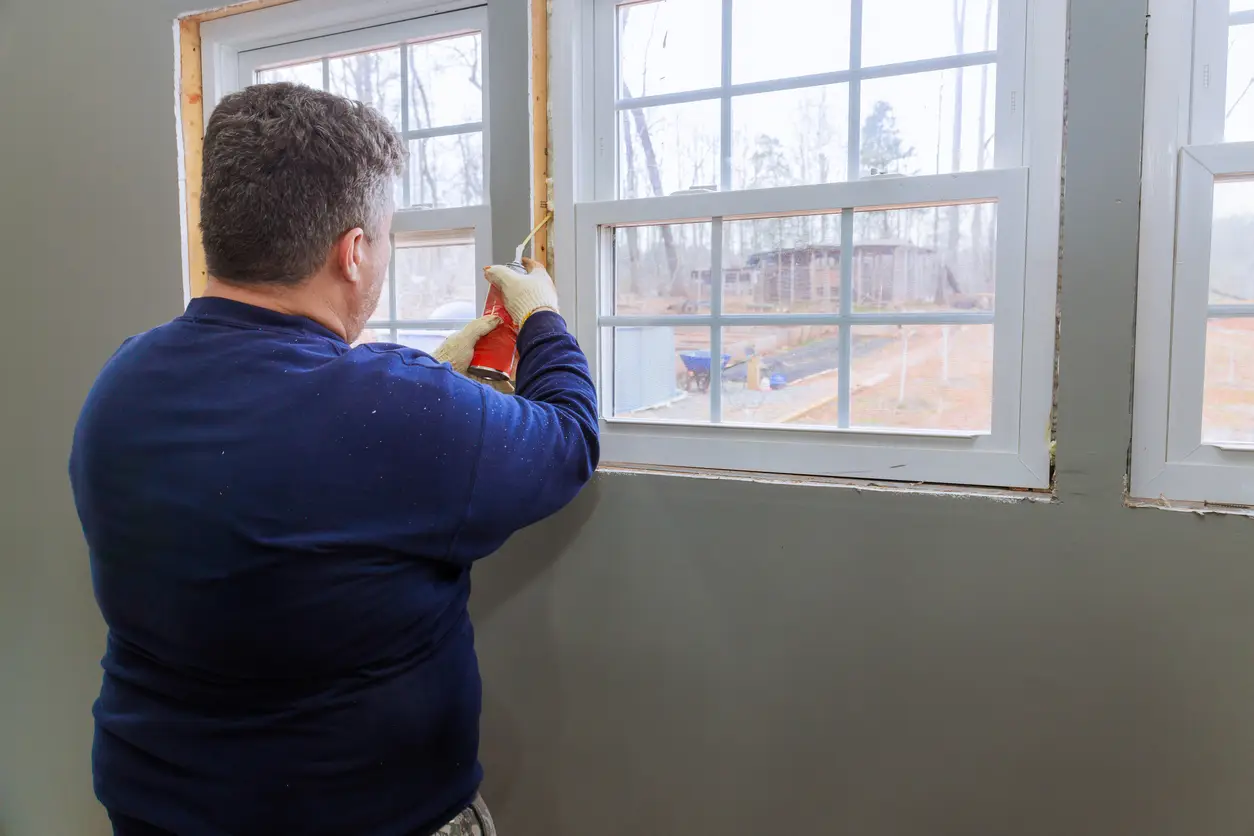
EcoSmart Homes’ panel systems are manufactured to tight tolerances, which makes it much easier to achieve airtight assemblies without relying on layers of tape and sealant applied under field conditions. When insulation and structure work together, airtightness becomes the default instead of a constant battle.
How Does Insulation Affect Moisture and Durability?
In many climates, moisture is a bigger threat than temperature alone. Poor insulation detailing allows warm, moist air to move into cold assemblies, where condensation can occur. Over time, that moisture leads to mold, rot, and structural degradation.
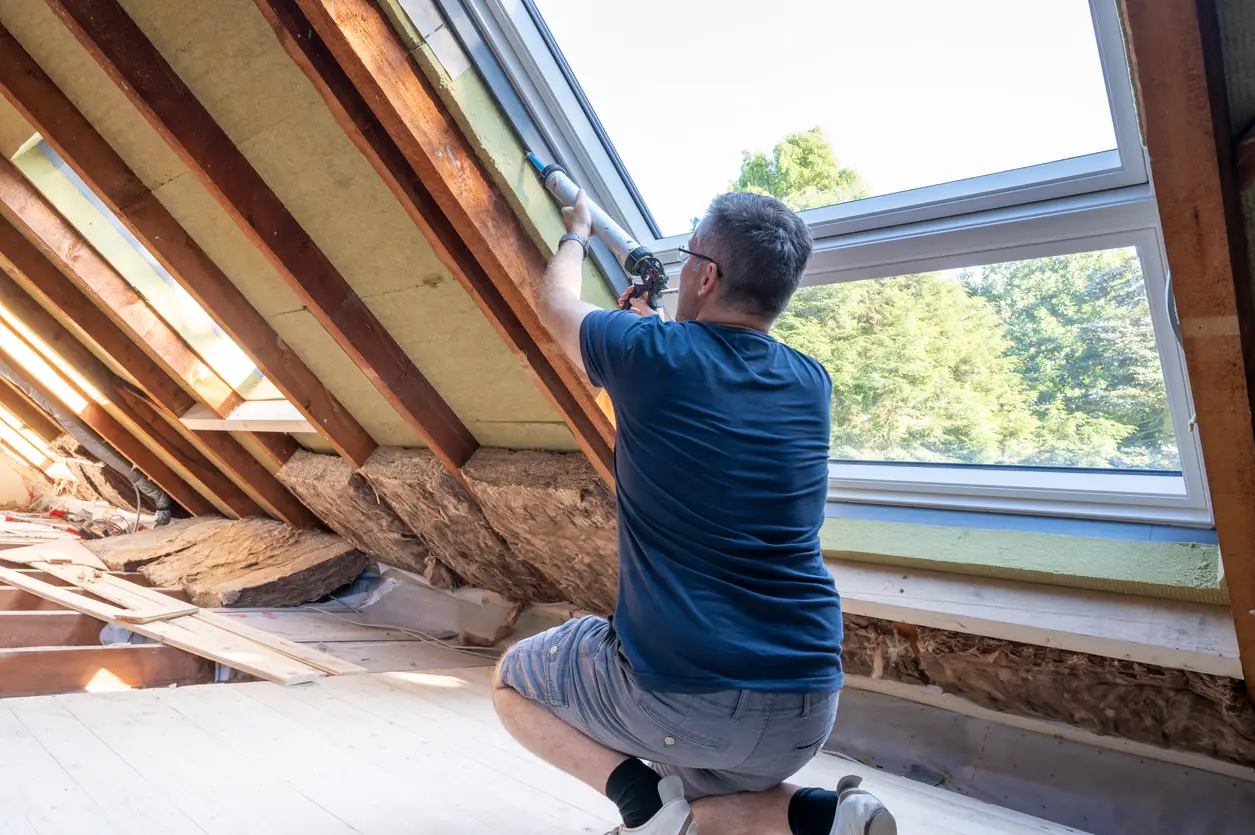
High-performance insulation reduces this risk by keeping interior surfaces warmer and limiting air movement. When insulation is continuous and well-sealed, there are fewer opportunities for moisture to enter wall and roof assemblies.
EcoSmart Homes designs insulation systems that manage both temperature and moisture. By combining rigid insulation with smart vapor control and airtight construction, the building envelope stays dry and stable across seasons. This approach not only improves indoor air quality but also extends the lifespan of the structure itself.
What Role Does Insulation Play in Freeze-Thaw Resilience?
In freeze-thaw climates, insulation does more than keep occupants comfortable—it protects the building from physical stress. When exterior surfaces fluctuate rapidly between freezing and thawing, materials expand and contract. Over time, this movement leads to cracking and failure.
High-performance insulation moderates those temperature swings. By keeping structural components closer to indoor temperatures, insulation reduces thermal shock and limits expansion cycles. This is especially important at foundations, floor systems, and exterior walls.
EcoSmart Homes’ insulated foundation and wall systems help stabilize temperatures where it matters most. That stability translates into fewer cracks, less movement, and a home that holds up better over decades of seasonal change.
How Does Factory-Built Insulation Improve Quality Control?
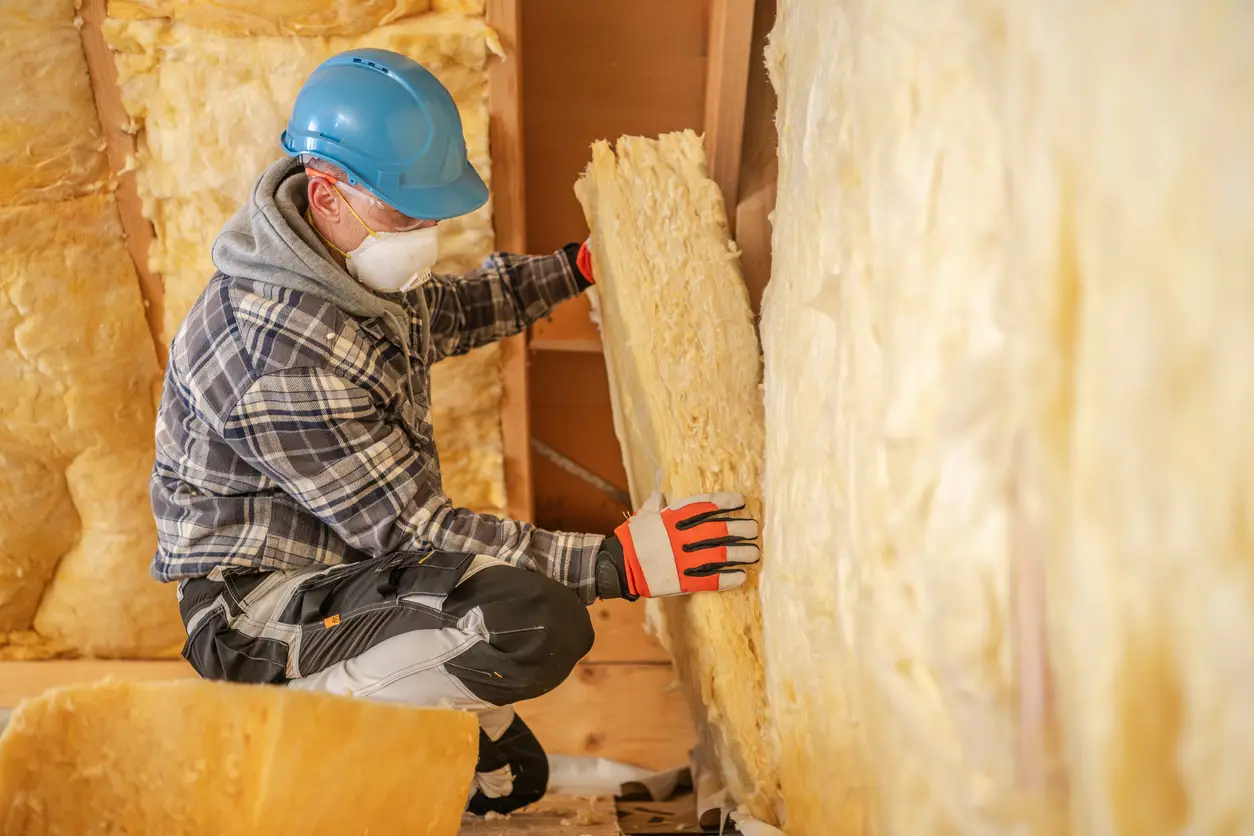
One of the challenges builders face is variability. Even the best plans can fall short if insulation is installed inconsistently. Gaps, compression, and missed details are common on traditional job sites, especially when schedules are tight.
Factory-built insulation systems remove much of that uncertainty. Panels are manufactured in controlled environments, where thickness, density, and placement are consistent from one unit to the next. This level of precision is difficult to achieve on site, even with skilled crews.
EcoSmart Homes leverages this advantage by integrating insulation directly into their building panels. The result is faster installation, fewer errors, and a predictable level of performance that builders and homeowners can rely on.
What Should Builders Take Away from High-Performance Insulation Design?
High-performance insulation isn’t about adding more material—it’s about using the right system in the right way. When insulation is continuous, airtight, moisture-aware, and structurally integrated, the entire home benefits.
Builders who adopt these principles see fewer callbacks, happier clients, and homes that stand up better to time and weather. For homeowners, the benefits show up as comfort, lower energy bills, and confidence that their home was built to a higher standard.
At EcoSmart Homes, insulation is treated as a core building system, not a finish item. That mindset is what allows their homes and ADUs to perform consistently across climates and conditions. When insulation is done right from the start, everything else works better too.