
Do Eco-Friendly Materials Really Last Longer? Yes, and Here’s Why
There’s a common misconception that eco-friendly building materials are softer, lighter, or somehow less durable than traditional construction materials. The assumption goes something like this: if it’s sustainable, it must be fragile. That simply isn’t true.
In fact, when properly selected and installed, many eco-friendly building materials last longer, perform better, and require less maintenance over time than conventional alternatives. At EcoSmart Homes, we don’t choose materials because they sound good on paper. We choose them because they perform in the real world.
If you’re investing in a custom home or high-performance build, durability matters just as much as sustainability. The good news is that today’s eco-friendly materials deliver both.
Performance-Driven, Not Trend-Driven
Sustainable construction has evolved significantly over the last two decades. Early “green” materials sometimes prioritized environmental impact without fully solving durability challenges.
That’s no longer the case.
Modern eco-friendly materials are engineered for strength, moisture resistance, fire resilience, and thermal performance. Many are designed to outlast traditional lumber-based systems that are vulnerable to rot, pests, and long-term structural fatigue.
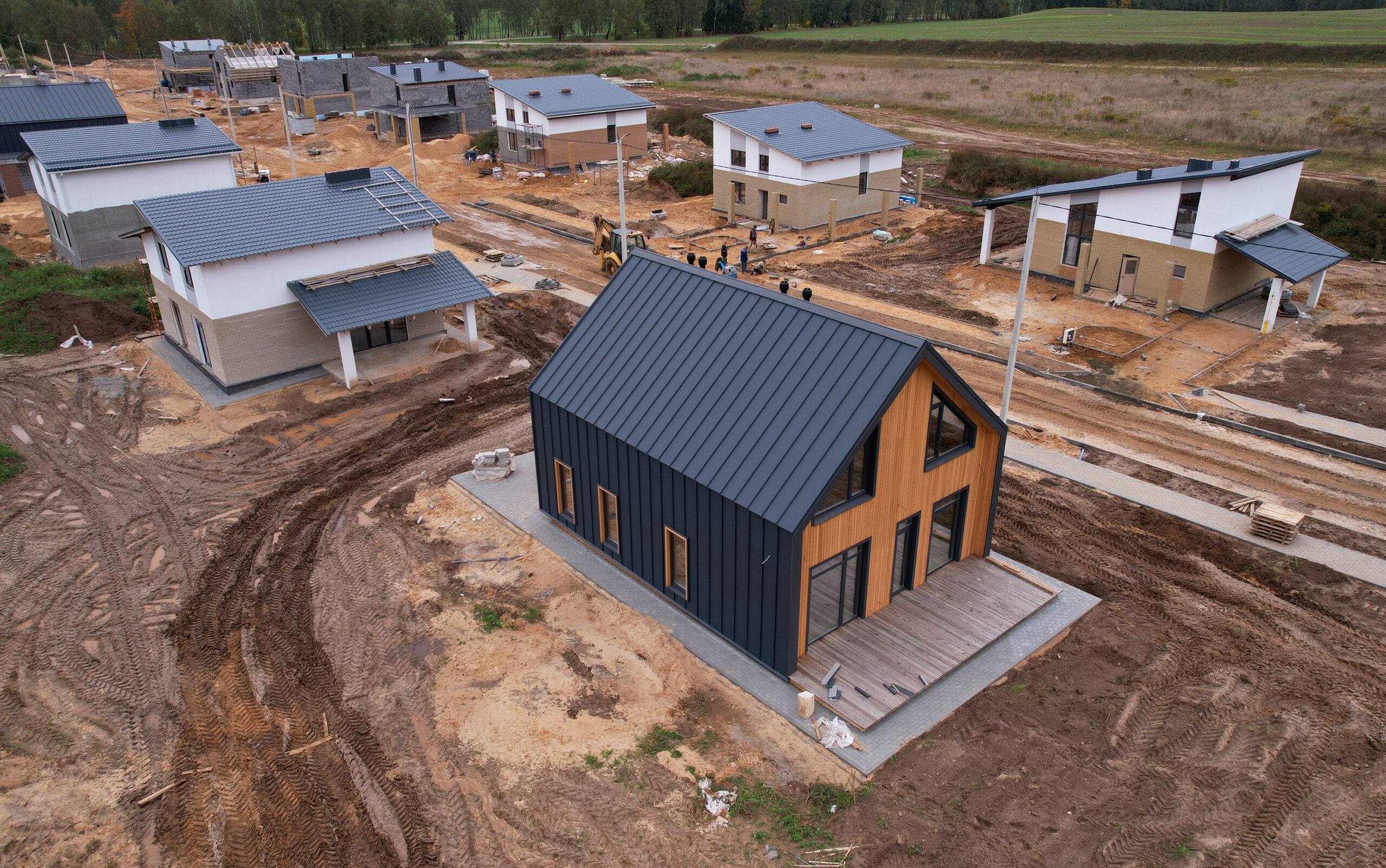
At EcoSmart Homes, we focus on materials like EPS foam systems, insulated concrete forms, high-performance insulation, and energy-efficient window assemblies because they combine environmental responsibility with structural integrity.
Sustainability today is performance-driven.
Moisture Resistance Extends Lifespan
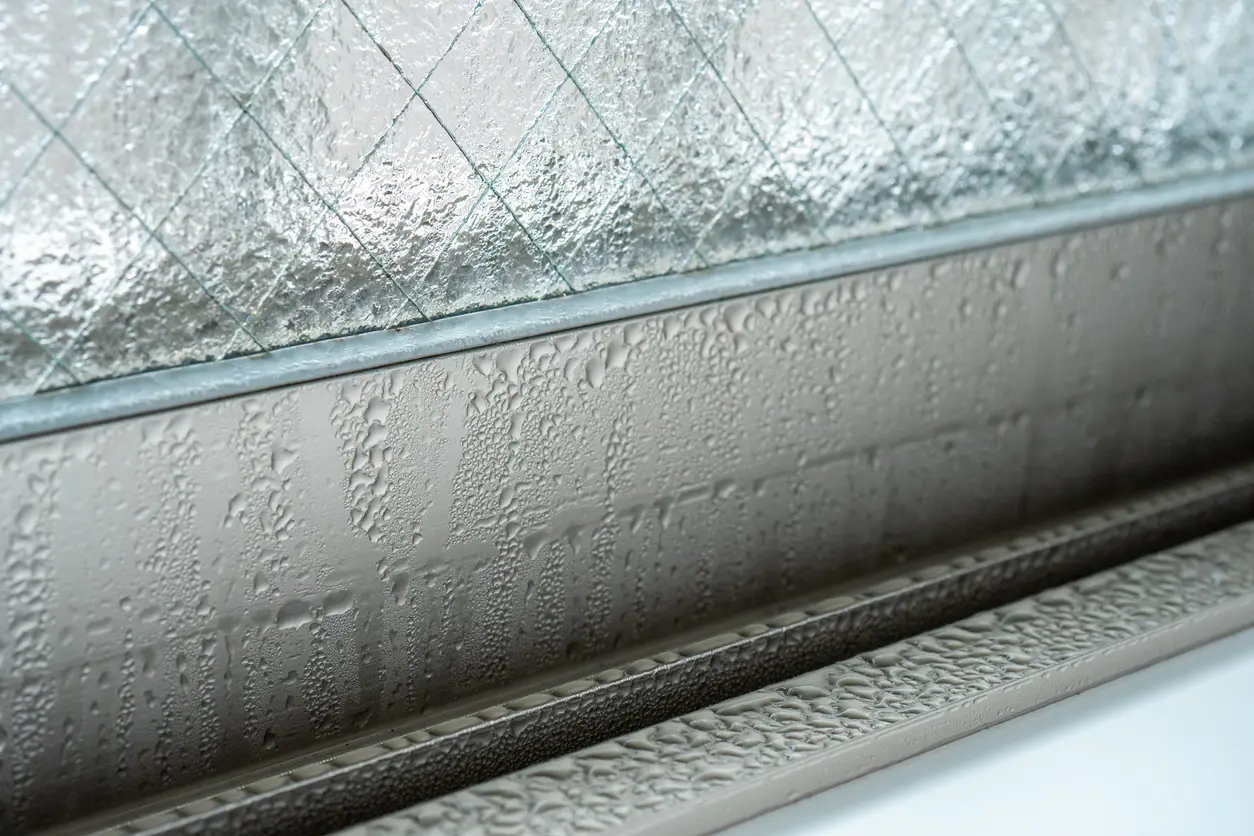
One of the leading causes of home deterioration is moisture intrusion. Water compromises wood framing, weakens insulation, and leads to mold growth and structural decay.
Many eco-friendly wall systems are specifically designed to reduce moisture penetration. Continuous insulation systems and airtight building envelopes limit uncontrolled air and water infiltration.
For example, EPS foam insulation does not absorb water the way traditional fiberglass insulation can. When paired with reinforced concrete cores or high-performance sheathing, it creates a wall assembly that resists both moisture and temperature fluctuation.
Less moisture intrusion equals fewer long-term repairs.
Durability begins with control.
Reduced Thermal Stress Means Longer Structural Life
Traditional homes experience constant expansion and contraction as temperatures change. Over time, this movement stresses framing materials, weakens joints, and contributes to cracking and settling.
Eco-friendly construction systems often provide more consistent thermal regulation. Continuous insulation reduces dramatic interior and exterior temperature swings within wall assemblies.
When materials aren’t constantly expanding and contracting under extreme temperature changes, they last longer.
Energy efficiency and durability are directly connected. A stable structure is a long-lasting structure.
Pest and Rot Resistance
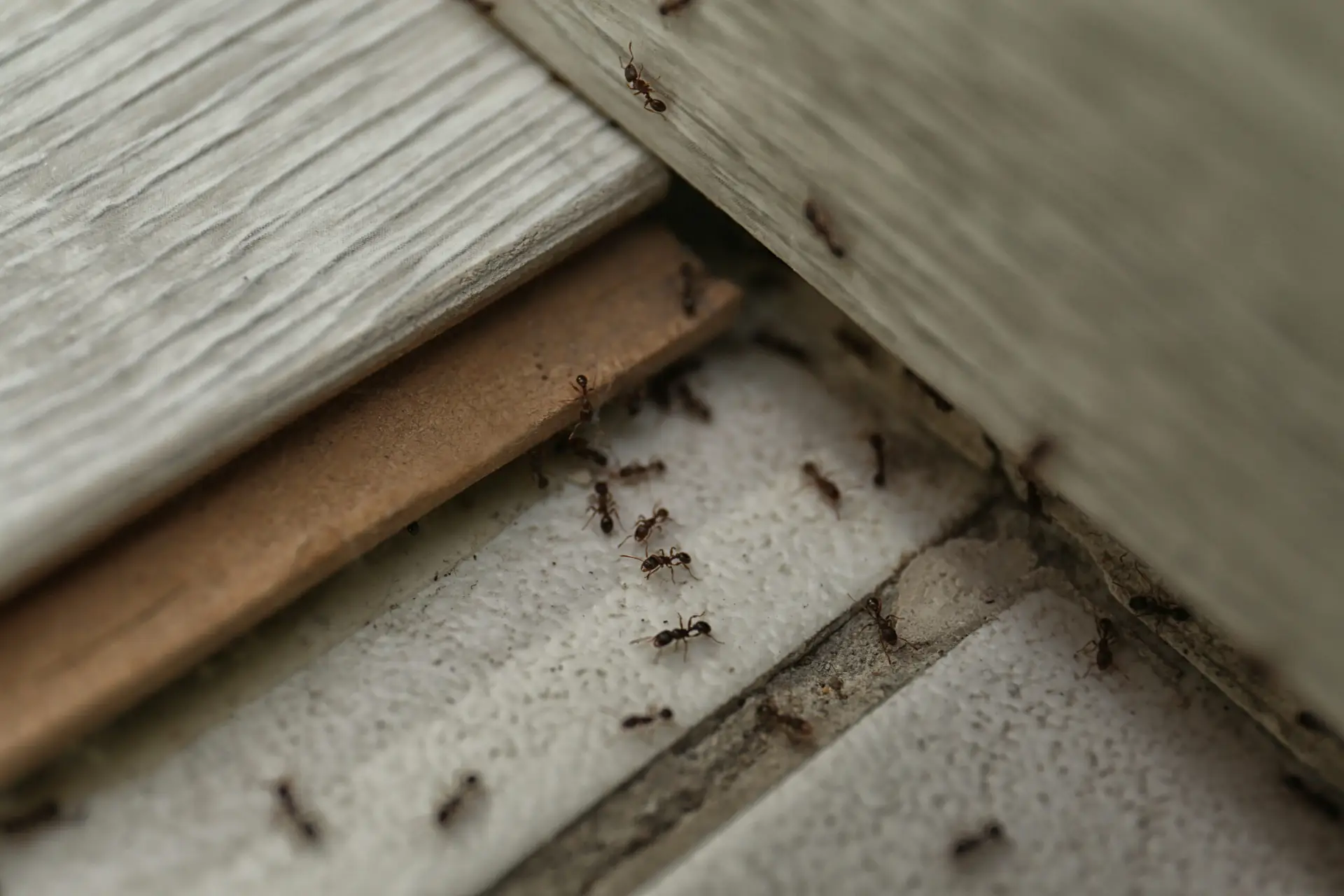
Wood framing has served the construction industry for generations, but it remains vulnerable to termites, carpenter ants, and rot.
Many modern eco-conscious systems incorporate materials that are less susceptible to pest damage. Reinforced wall systems that include insulated concrete cores and foam-based insulation reduce the organic material available for insects to consume.
Less vulnerability means fewer costly repairs and less structural degradation over time.
Durability is not just about strength. It’s about resilience.
Fire-Resistant Construction Adds Longevity
Another advantage of certain eco-friendly materials is improved fire resistance.
Wall assemblies that incorporate non-combustible cores and high-performance insulation can provide enhanced protection compared to traditional framing methods. While no home is invincible, fire-resistant materials significantly reduce structural risk.
In wildfire-prone regions, this added resilience contributes not only to safety but also to long-term structural preservation.
A home that withstands environmental stress lasts longer by definition.
Energy Efficiency Reduces Wear and Tear
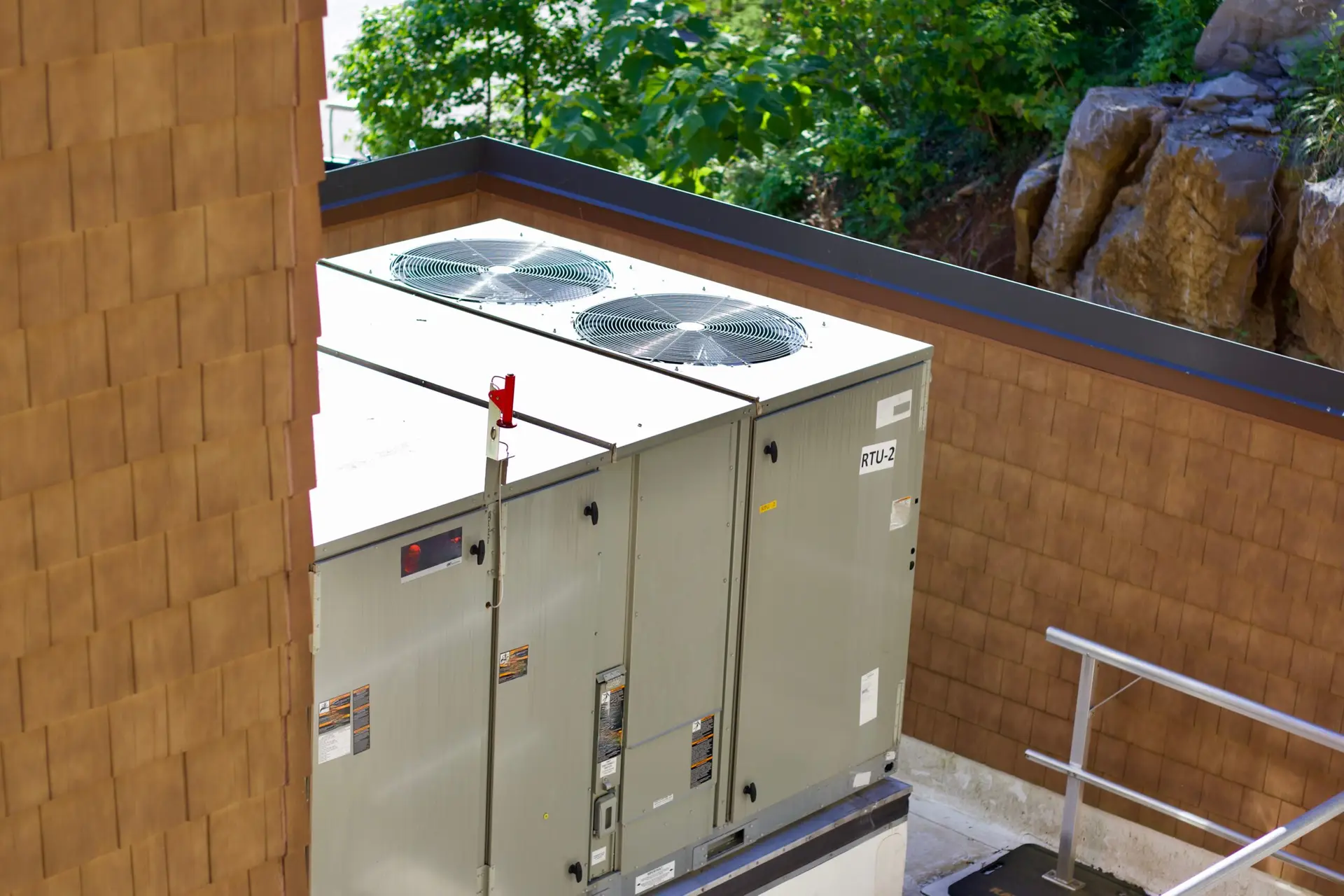
High-performance eco-friendly homes often require smaller HVAC systems due to their efficient building envelopes. When heating and cooling systems cycle less frequently, mechanical components last longer.
That means fewer replacements and lower long-term maintenance costs.
Additionally, consistent indoor temperatures reduce stress on interior finishes, flooring materials, and cabinetry. Fewer humidity swings mean less warping, cracking, and degradation inside the home.
Efficiency protects more than just your utility bill. It protects your investment.
Lower Maintenance Over Time
Durability is also about maintenance.
Eco-friendly materials often require less upkeep because they are designed for long-term performance. High-performance siding systems resist weather damage. Advanced window systems reduce seal failure. Properly insulated foundations prevent moisture-related deterioration.
When materials are selected intentionally, homeowners spend less time repairing and more time enjoying their home.
That’s not just sustainability. That’s smart construction.
The Long-Term Value Equation
It’s important to look beyond upfront cost comparisons. Some eco-friendly building materials may have slightly higher initial installation costs. But when you factor in energy savings, reduced maintenance, longer lifespan, and improved structural resilience, the long-term value becomes clear.
A home that lasts 75 to 100 years with minimal structural compromise is inherently more sustainable than one that requires major repairs every decade. True sustainability includes longevity.
At EcoSmart Homes, we build with that long view in mind.
Built for Performance. Built to Last.
The question isn’t whether eco-friendly materials last longer. The better question is whether traditional materials can keep up with today’s performance standards.
When homes are built with continuous insulation, moisture-resistant assemblies, reinforced structural systems, and airtight construction techniques, they simply perform better.
They handle environmental stress more effectively. They maintain energy efficiency over time. They resist the common causes of structural degradation.
Eco-friendly construction isn’t about sacrificing strength for sustainability.
It’s about aligning the two.
If you’re considering a high-performance custom home, know this: building responsibly doesn’t mean building delicately. It means building intentionally, with materials engineered to endure.
And when durability and efficiency work together, your home doesn’t just stand the test of time.
It thrives through it.