
Why EPS Foam is the
Future of Home Building
If you’ve been exploring energy-efficient home construction, you’ve probably heard the term EPS foam. At first glance, it might not sound revolutionary. It’s lightweight. It’s clean. It looks simple. But don’t let its appearance fool you, Expanded Polystyrene (EPS) foam is quietly transforming the way high-performance homes are built.
At EcoSmart Homes, we’ve seen firsthand how EPS building systems elevate structural strength, energy efficiency, fire resilience, and long-term durability. And once you understand how it works, it becomes clear why EPS foam is leading the future of sustainable home construction.
This isn’t about trends. It’s about performance.
What Is EPS Foam in Home Construction?
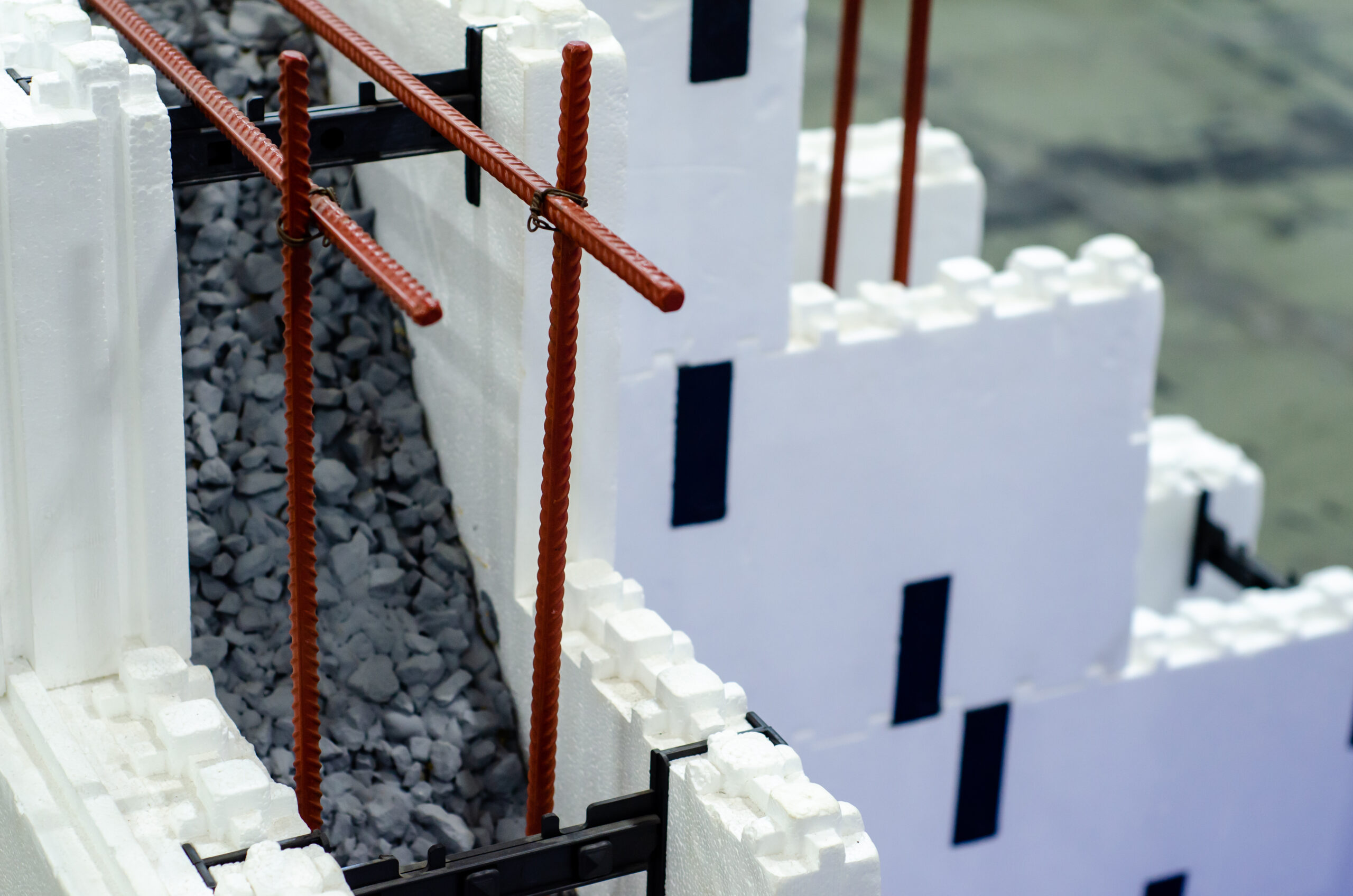
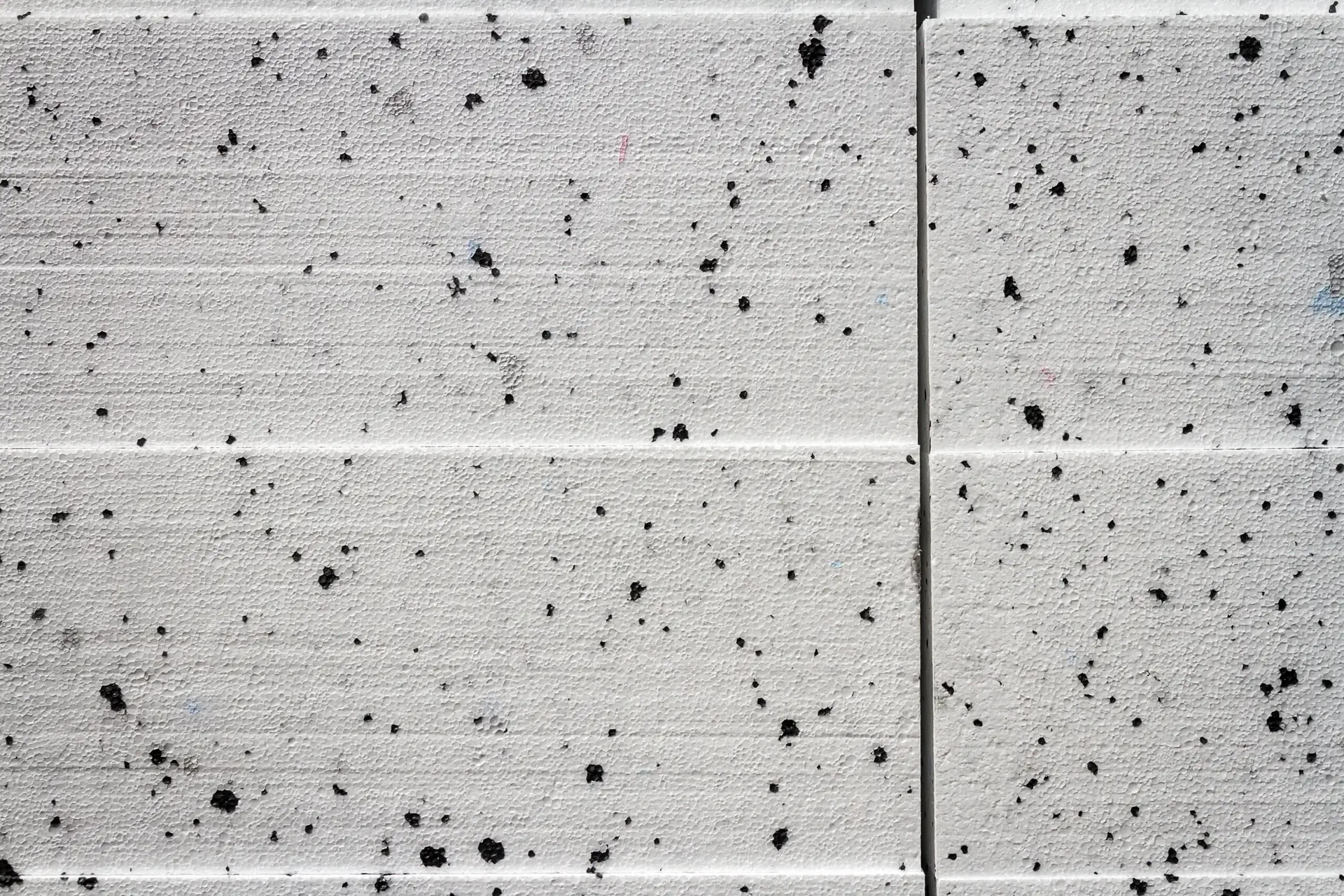
EPS foam, or Expanded Polystyrene, is a rigid insulation material commonly used in insulated concrete form (ICF) construction and structural panel systems. Unlike traditional stick-built framing that relies heavily on lumber and cavity insulation, EPS foam creates a continuous insulated barrier.
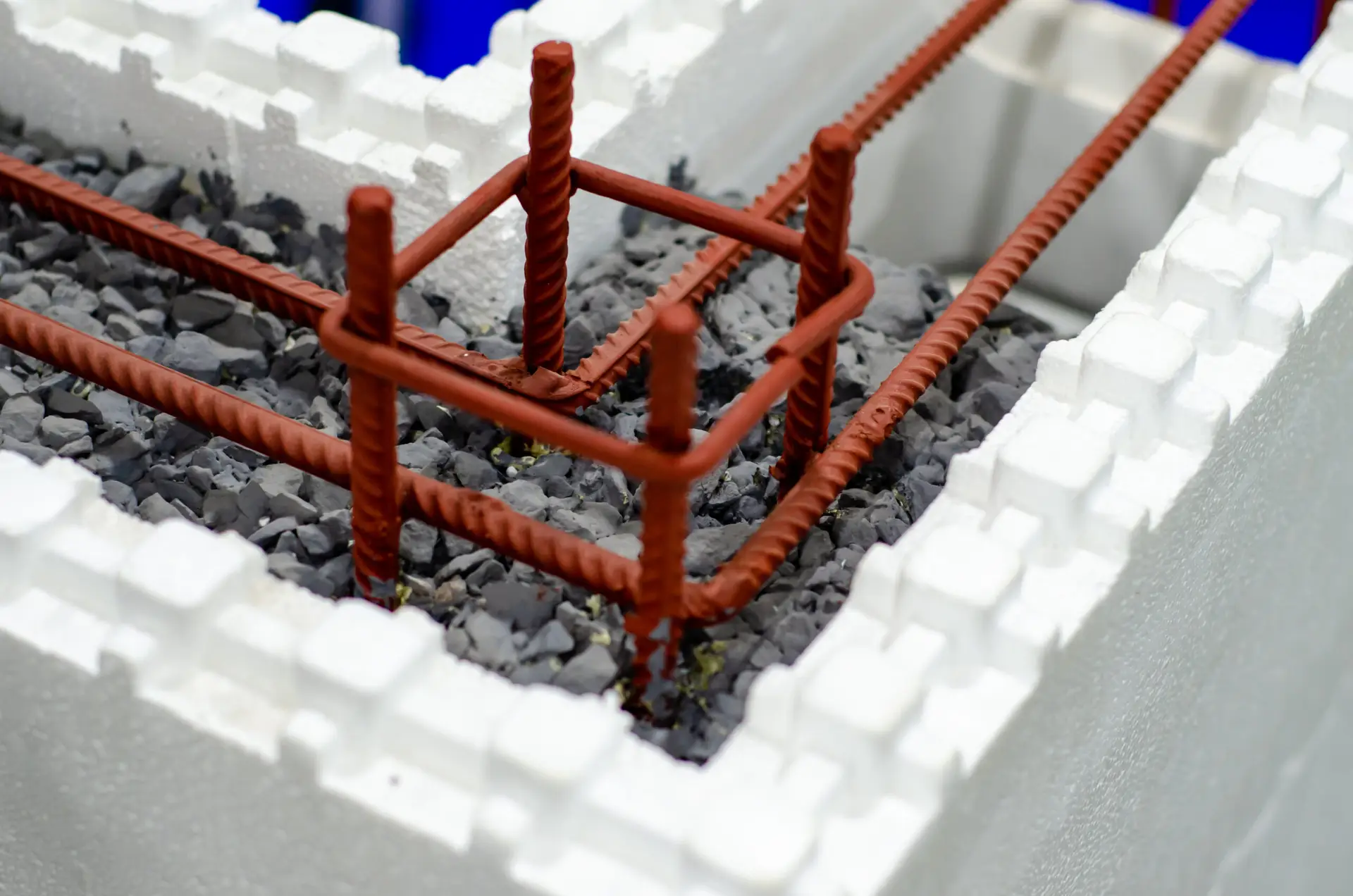
In high-performance home building, EPS panels or ICF blocks are assembled to form the walls of the home. Concrete is poured within the structure, creating a reinforced core surrounded by thick insulation on both sides.
The result is a wall system that is dramatically stronger and more energy-efficient than conventional framing.
And that changes everything.
Superior Energy Efficiency from the Start
One of the biggest advantages of EPS foam construction is continuous insulation. Traditional homes often suffer from thermal bridging, where heat escapes through wood studs and gaps in insulation. Even small inefficiencies compound over time.
EPS foam systems minimize thermal bridging. Because the insulation wraps the structure continuously, the home maintains a more consistent internal temperature. That means less strain on HVAC systems and lower monthly energy bills.
Homeowners consistently report reduced heating and cooling costs compared to traditional builds. In regions with extreme temperature swings, that efficiency isn’t just convenient—it’s essential.
An eco-friendly home starts with a building envelope that performs. EPS delivers that performance.
Structural Strength That Lasts
Energy efficiency is only part of the story. EPS foam construction, especially when paired with reinforced concrete cores, produces walls that are exceptionally strong.
These systems are resistant to high winds, seismic activity, and shifting soil conditions. For homeowners in wildfire-prone or storm-prone regions, structural integrity matters.
When properly engineered, EPS foam walls create a solid, reinforced structure that far exceeds traditional wood framing in strength and durability.
We don’t build homes for five years. We build them for generations.
Fire Resistance and Safety Benefits
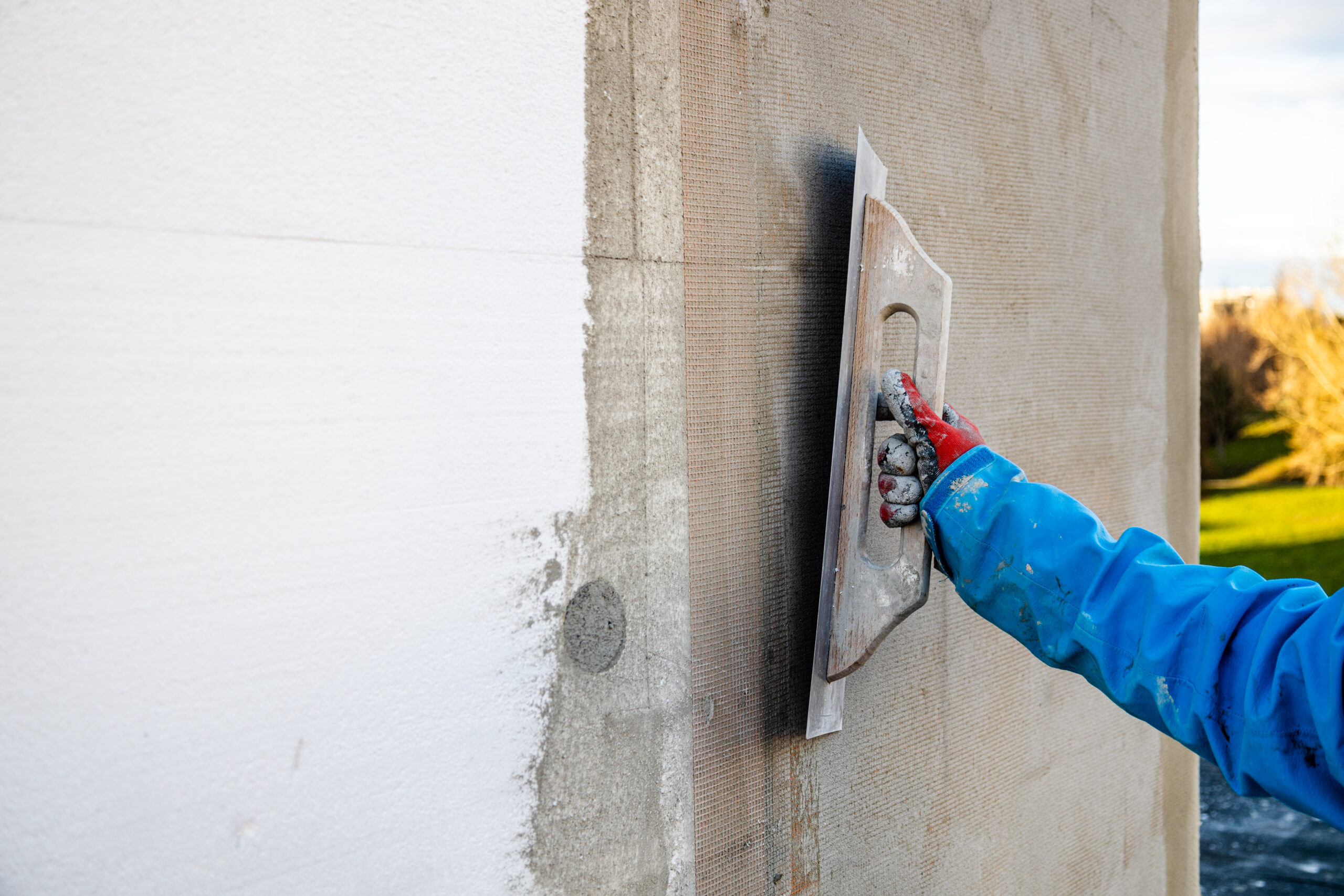
In today’s building environment, fire resilience is more important than ever. EPS foam systems used in ICF construction are designed to meet strict fire safety standards. When combined with concrete cores and proper exterior finishes, these wall assemblies offer impressive fire resistance.
The concrete core provides a non-combustible structural element, and the overall system limits pathways for flame spread. While no material makes a home invincible, EPS-based systems significantly improve resistance compared to conventional framing.
Preparation creates protection.
Moisture Control and Indoor Comfort
Moisture intrusion is one of the leading causes of long-term home damage. EPS foam systems, when installed properly, create a tight building envelope that reduces uncontrolled air infiltration.
This contributes to better humidity control, improved indoor air quality, and greater comfort year-round.
A well-sealed home also reduces drafts, temperature fluctuations, and unwanted exterior noise. EPS wall systems provide sound-dampening benefits that many homeowners immediately notice.
It’s not just about lower energy bills. It’s about better living conditions.
Sustainability and Reduced Waste
EPS foam construction supports sustainable building practices in several ways. First, the material itself is lightweight and efficient to transport, reducing fuel consumption during delivery.
Second, EPS manufacturing produces minimal waste, and leftover material can often be recycled.
Third, because EPS homes dramatically reduce ongoing energy consumption, they lower long-term carbon footprints.
True sustainability isn’t about one feature. It’s about the full lifecycle of the home. When a structure requires less energy to heat and cool year after year, that impact compounds in a meaningful way.
At EcoSmart Homes, we believe responsible building means thinking beyond the day the keys are handed over.
Faster Construction with Greater Precision
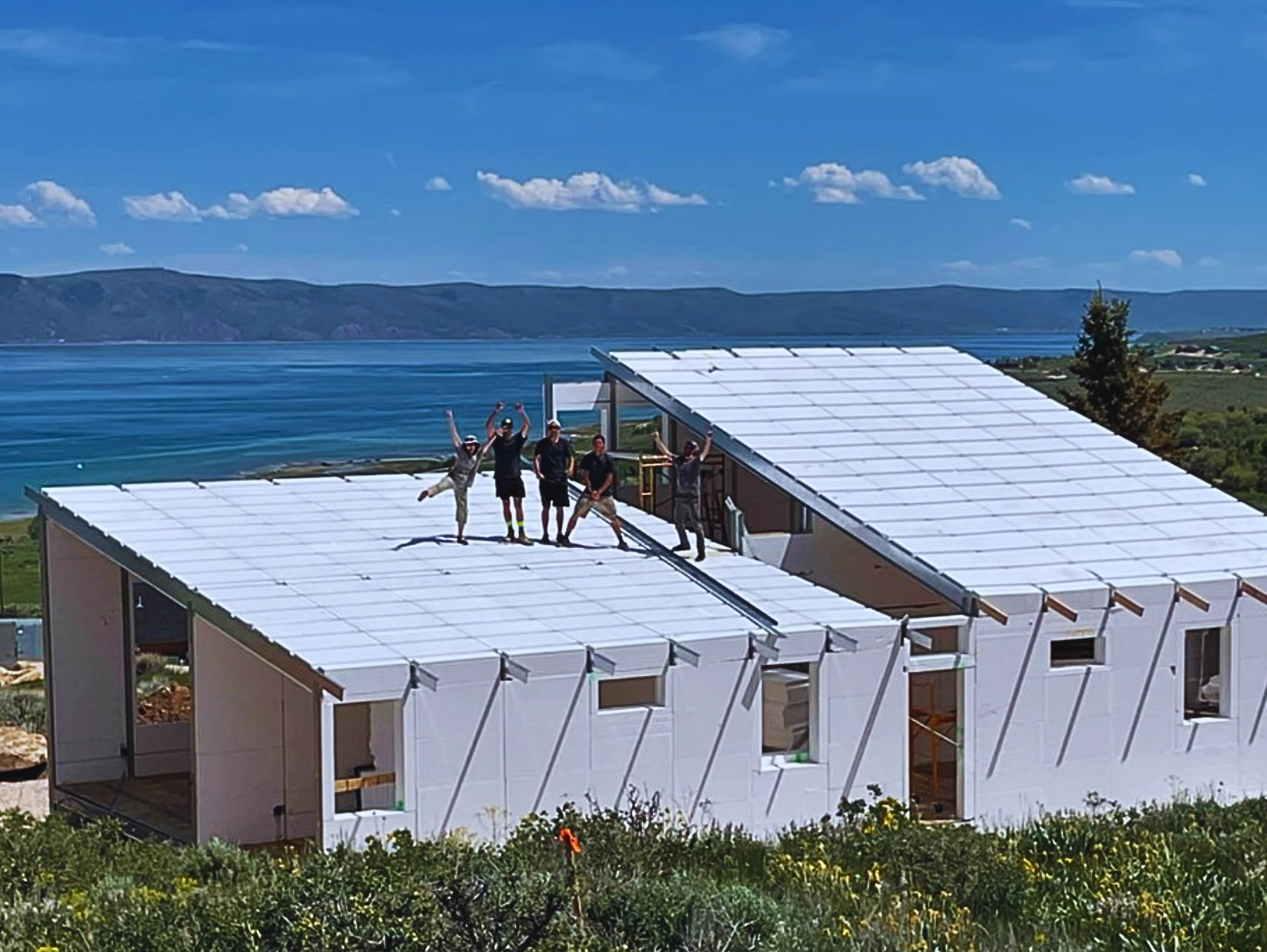
Another advantage of EPS foam systems is efficiency during construction. Insulated concrete form blocks and EPS panels are designed to interlock precisely. This reduces framing inconsistencies and speeds up installation.
A streamlined building process often means reduced labor time and fewer delays. When crews work with materials engineered for precision, quality control improves.
That efficiency doesn’t compromise strength. It enhances it.

Long-Term Value and Performance
Homebuyers today are increasingly aware of energy efficiency, sustainability, and resilience. EPS foam construction positions your home ahead of that curve.
Lower utility bills, stronger structural integrity, improved fire resistance, and superior comfort all contribute to long-term property value.
When evaluating cost, it’s important to look beyond initial material pricing. Operational savings over decades far outweigh small upfront differences.
Building smarter today means avoiding costly inefficiencies tomorrow.
The Future Is Performance-Driven
The future of home building is not about building faster or cheaper. It’s about building better. EPS foam systems align with where residential construction is heading: energy-efficient homes, durable structures, environmentally responsible materials, and resilience against climate challenges.
At EcoSmart Homes, we’ve embraced EPS because it performs. It strengthens the structure. It improves efficiency. It enhances comfort. It supports sustainability. When you combine thoughtful design with high-performance materials, you create homes that truly work for the people living in them. EPS foam may look simple. But its impact is profound. And that’s exactly why it’s shaping the future of home building.