
Reducing Carbon Emissions Through Smarter Home Construction
Reduced Carbon Emissions and Waste Through Smarter Building
The way a home is built has a direct impact on the environment long before anyone moves in. Traditional construction methods generate significant waste, rely on inefficient processes, and contribute to higher carbon emissions over the life of a structure. Eco Smart Homes takes a different approach by designing and building homes and ADUs in a way that reduces carbon emissions and material waste compared to conventional builds.
This focus is not limited to a single feature or upgrade. It is built into how Eco Smart Homes plans, manufactures, and assembles each structure, creating homes that are more responsible from day one and more efficient for years to come.
Why Traditional Construction Creates So Much Waste
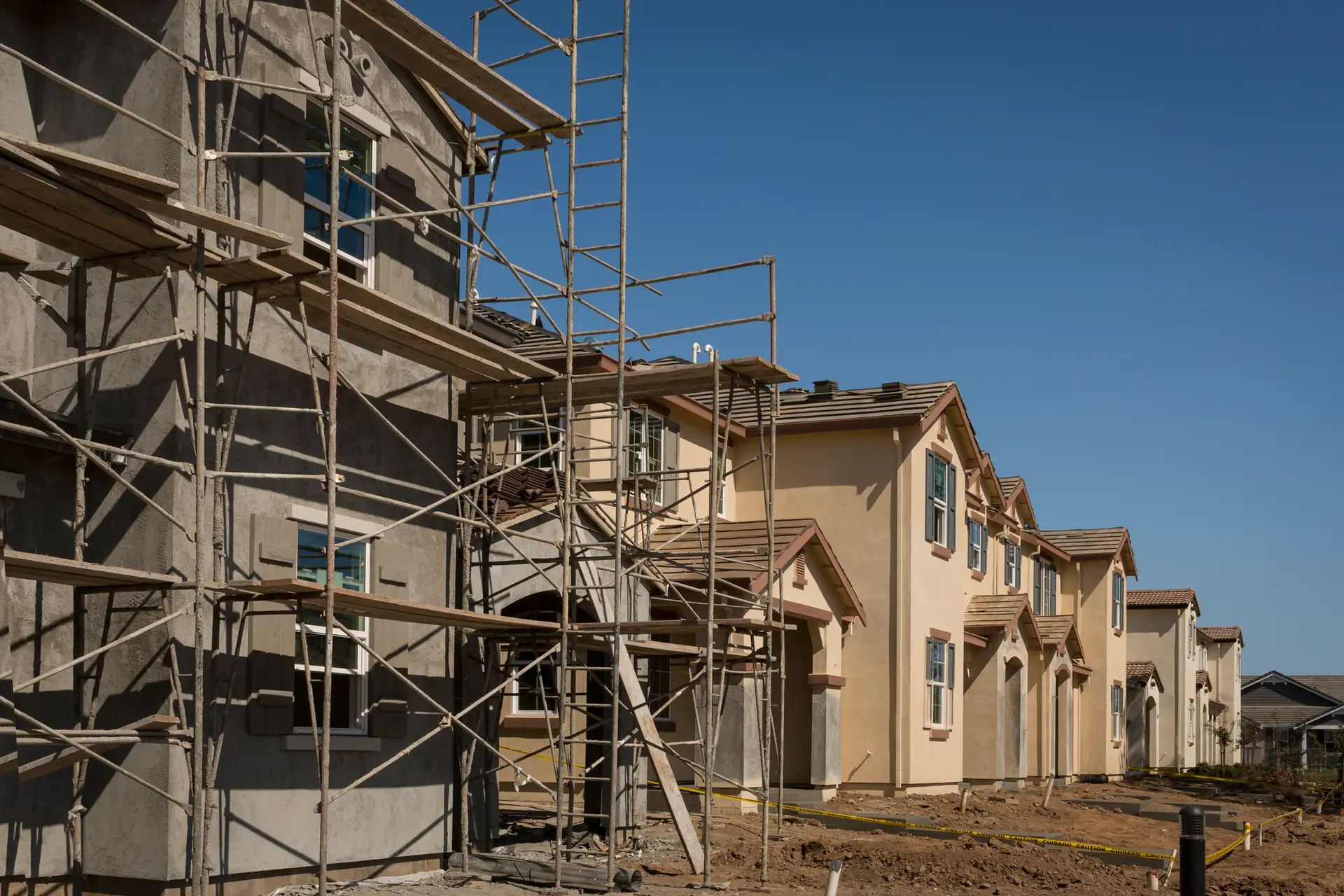
Conventional building relies heavily on on-site framing, repeated material deliveries, and sequential trade work. Lumber is cut on-site, excess materials are discarded, and mistakes often lead to rework. Weather delays and storage issues can also damage materials before they are even used.
All of this contributes to large amounts of construction waste sent to landfills. At the same time, extended build timelines increase fuel use from transportation, equipment, and labor, adding to overall carbon emissions.
Eco Smart Homes was designed to challenge these inefficiencies rather than accept them as unavoidable.

Building Smarter With Off-Site Manufacturing
A key reason Eco Smart Homes reduces waste and emissions is their use of a patented building system that shifts much of the construction process off-site. Structural components are manufactured in a controlled environment where materials can be measured, cut, and assembled with precision.
This controlled process significantly reduces excess material use. Fewer mistakes mean fewer discarded components, and better planning means materials are used more efficiently. Manufacturing off-site also allows Eco Smart Homes to minimize packaging waste and unnecessary deliveries to the job site.
By the time components arrive on-site, they are ready for installation rather than modification.
Shorter Build Times Mean Lower Emissions
Time plays a major role in a project’s environmental footprint. Traditional builds can take months, sometimes longer, with repeated trips to the site by multiple trades. Each visit adds vehicle emissions, equipment use, and energy consumption.
Eco Smart Homes’ system allows homes and ADUs to be assembled much faster once permits are approved. In many cases, ADUs can be completed within a few weeks after permitting. This reduced timeline lowers the amount of fuel used for transportation, decreases on-site energy consumption, and limits the overall carbon output associated with construction.
Faster building is not just a convenience. It is a measurable environmental benefit.
Energy Efficiency That Reduces Ongoing Emissions
Reducing carbon impact does not stop when construction ends. How a home performs over its lifetime has an even greater effect on emissions. Eco Smart Homes builds with high insulation values and an efficient building envelope that reduces energy demand for heating and cooling.
When a home requires less energy to maintain comfort, it produces fewer emissions year after year. This long-term efficiency compounds the environmental benefits achieved during construction and supports lower operating costs for homeowners.
By addressing performance at the structural level, Eco Smart Homes reduces reliance on energy-intensive systems to compensate for heat loss or gain.


Less Waste Through Integrated Design and Construction
Eco Smart Homes designs and builds within a unified system rather than piecing together independent phases. This integration reduces redesigns, change orders, and wasted materials caused by miscommunication between designers and builders.
Because design, manufacturing, and construction are coordinated from the beginning, materials are ordered with greater accuracy and used as intended. This reduces surplus and avoids the disposal of unused products at the end of a project.
Clear planning leads to cleaner outcomes.
Durable Materials That Extend Building Life
Another way Eco Smart Homes reduces environmental impact is by building structures designed to last. Materials are selected for durability and resistance to moisture, pests, and deterioration.
Longer-lasting homes reduce the need for repairs, replacements, and renovations, all of which carry their own carbon and waste costs. By extending the useful life of the structure, Eco Smart Homes helps reduce the environmental impact associated with repeated construction over time.
Durability is an often-overlooked component of sustainability, but it plays a major role in reducing long-term waste.
Supporting Renewable and Low-Energy Systems
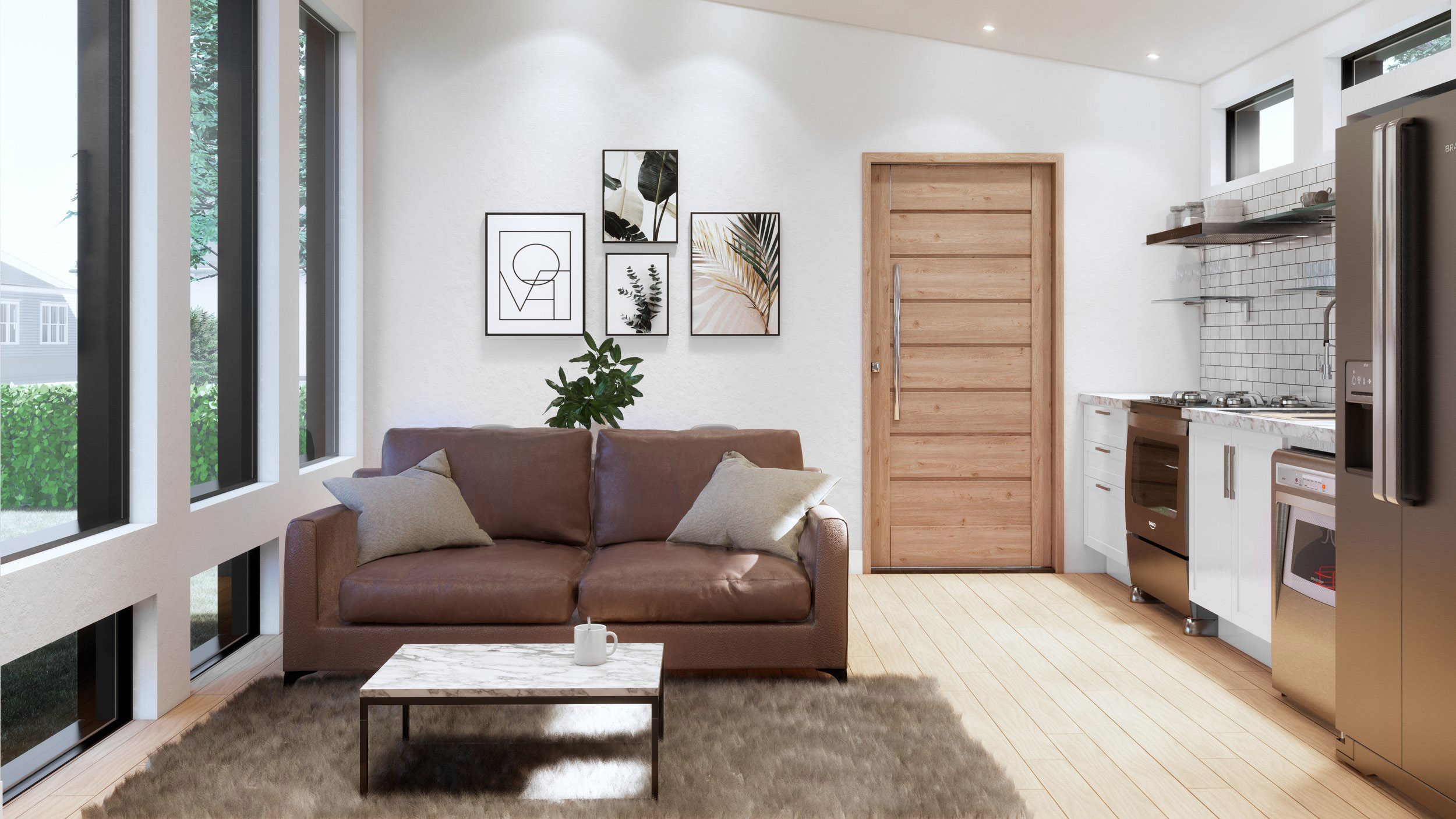
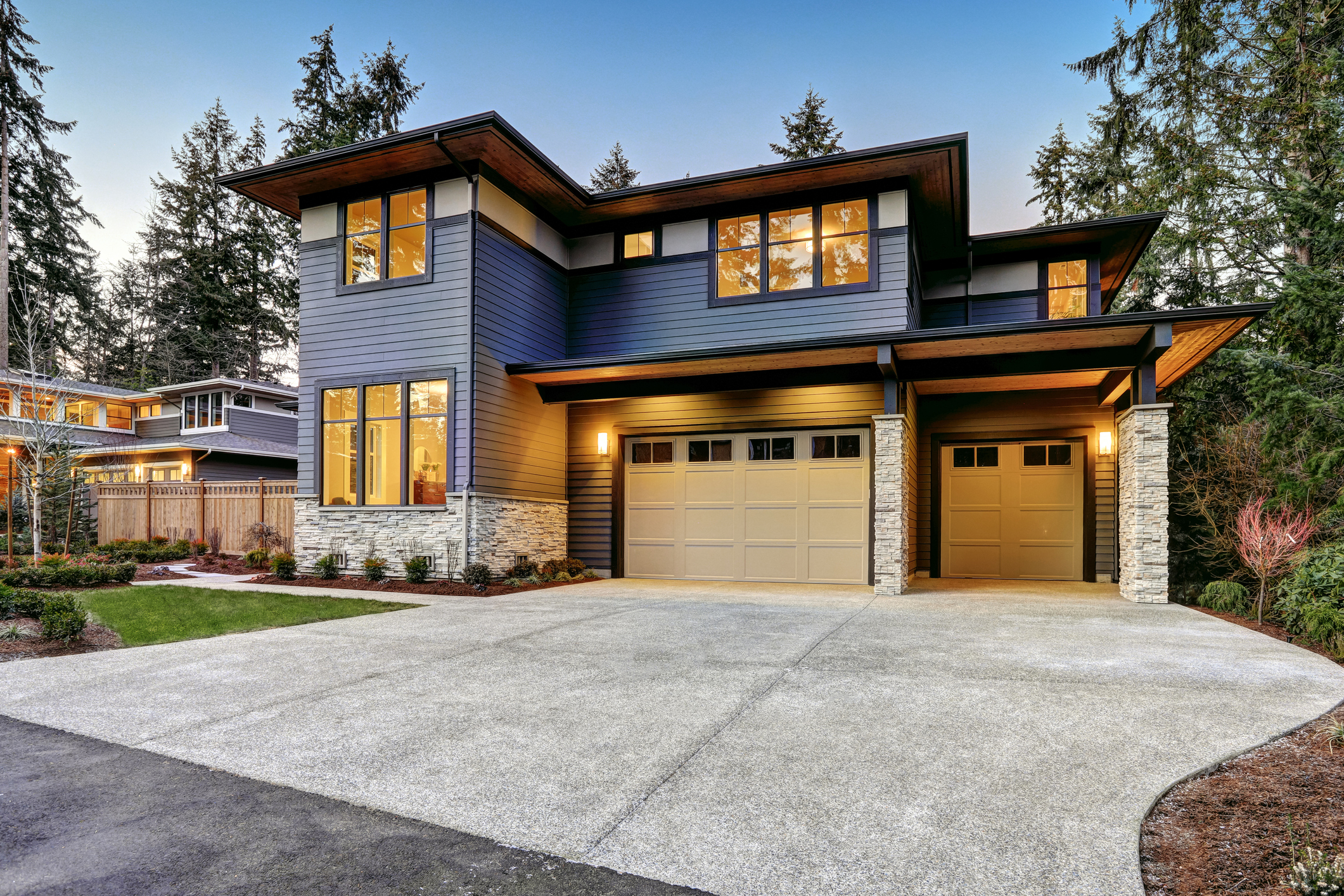
Homes and ADUs built by Eco Smart Homes are well suited for renewable energy systems such as solar and battery storage. High insulation levels and efficient construction allow these systems to operate more effectively.
When energy demand is lower, renewable systems can meet a greater portion of a home’s needs, further reducing carbon emissions over the life of the building. Eco Smart Homes’ approach makes it easier for homeowners to move toward lower-energy living without compromising comfort.
Reduced Site Impact and Cleaner Job Sites
Traditional construction sites often generate significant debris and disruption. Eco Smart Homes’ faster, more controlled on-site process results in cleaner job sites with less waste generated during assembly.
Fewer materials stored on-site means less exposure to damage and less disposal. Reduced construction duration also limits the environmental impact on surrounding properties and neighborhoods.
This cleaner approach benefits both homeowners and the broader community.


Sustainability Built Into the Process
Eco Smart Homes does not treat sustainability as a marketing label. Reduced carbon emissions and waste are direct results of how they build. By rethinking manufacturing, shortening timelines, and improving energy performance, they deliver homes and ADUs that are more responsible at every stage.
This approach aligns with homeowners who want modern living spaces that reflect thoughtful choices without sacrificing comfort, design, or performance.
Building With Responsibility and Intention
Eco Smart Homes believes that better building practices lead to better outcomes for homeowners and the environment. By reducing waste during construction and lowering energy use over the life of the home, their system offers a clear alternative to traditional building methods.
If you are looking for a home or ADU built with reduced carbon impact and a more efficient use of materials, Eco Smart Homes provides a smarter way to build that reflects both modern expectations and long-term responsibility.