
More Than Code Compliance: Engineering Homes for Lasting Stability
Structures Engineered to Meet Codes
A home or ADU should do more than look good and function well. It should protect the people inside it under real-world conditions. Eco Smart Homes designs and builds structures engineered to meet code requirements for wind, seismic activity, and snow loads, creating homes that are prepared for the environmental forces they may face over time.
This level of engineering is not accidental. It is the result of a building system developed to perform reliably in diverse and demanding conditions, from seismic regions to areas exposed to high winds or heavy snow. Eco Smart Homes approaches structural design with the understanding that safety, durability, and long-term performance are inseparable.
Why Structural Engineering Matters in Residential Construction
Environmental loads place constant stress on buildings. Wind applies lateral force, earthquakes introduce sudden and multidirectional movement, and snow adds sustained vertical weight. When a structure is not engineered to handle these forces, damage can occur gradually or all at once.
Traditional construction often meets minimum code requirements without fully addressing how a structure behaves as a system. Eco Smart Homes takes a more intentional approach by engineering homes and ADUs to manage these forces in a controlled and predictable way.
This focus helps protect the structure itself and supports occupant safety during extreme events.
Engineered for Wind Resistance and Stability
High winds create lateral pressure that can stress walls, connections, and foundations. Eco Smart Homes designs structures with engineered assemblies that resist these forces and distribute loads effectively throughout the building.
By focusing on structural continuity and connection strength, Eco Smart Homes reduces the risk of movement, uplift, or failure during strong wind events. This is especially important in exposed areas or regions where seasonal storms are common.
Wind resistance is not limited to coastal or rural environments. Urban and suburban areas also experience wind loads that can affect poorly designed structures over time.
Seismic Design for Earthquake-Prone Regions
In earthquake-prone areas, structural design must account for sudden ground movement and shifting loads. Eco Smart Homes engineers homes and ADUs to meet seismic code requirements by creating systems that absorb and distribute energy rather than resisting it rigidly.
This approach allows the structure to move as intended during seismic activity, reducing stress concentrations that can lead to cracking or failure. Load paths are carefully considered so forces move through the structure in a controlled way.
For homeowners, seismic engineering adds a layer of confidence that the structure is prepared for the realities of its location.
Snow Load Engineering for Vertical Strength
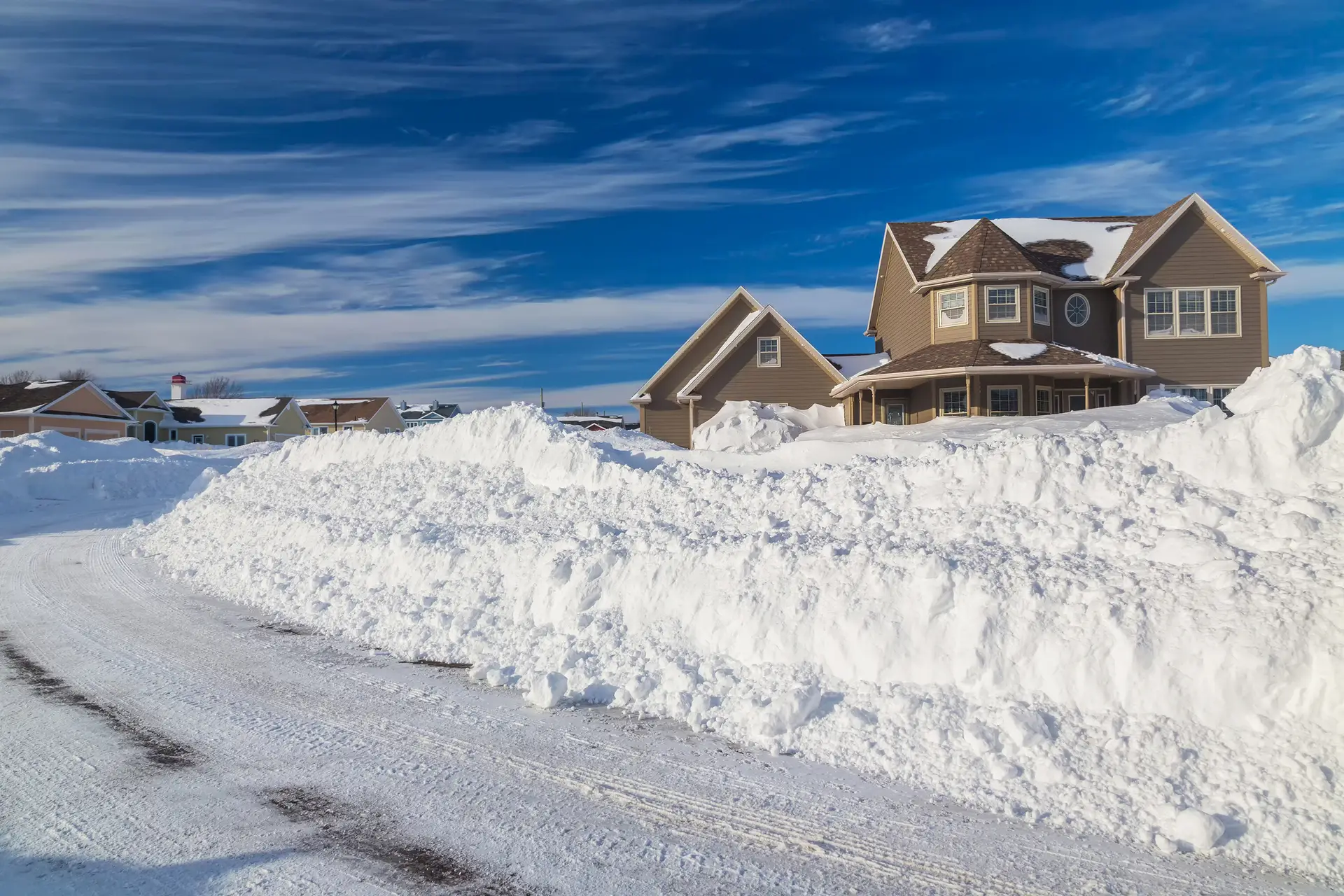
Snow loads place continuous downward force on roofs and supporting structures. Without proper engineering, this weight can cause sagging, cracking, or collapse over time.
Eco Smart Homes designs roof systems and structural supports to handle snow loads as required by local codes. This ensures that the structure remains stable even during extended periods of accumulation.
Snow load engineering is especially important in regions with variable weather patterns, where sudden storms can place unexpected stress on buildings.
A System-Based Approach to Structural Loads
Eco Smart Homes does not treat wind, seismic, and snow loads as separate considerations. Instead, their building system is designed to manage multiple forces working together.
Structural components are engineered to function as part of a unified system rather than isolated elements. This system-based approach improves load transfer, reduces weak points, and supports consistent performance across the entire structure.
By designing the structure as a whole, Eco Smart Homes creates homes and ADUs that behave predictably under stress.
Built to Meet and Support Code Requirements
Building codes exist to protect safety, but meeting code alone does not guarantee long-term performance. Eco Smart Homes engineers their structures to meet applicable code requirements for wind, quake, and snow loads while also focusing on build quality and execution.
Because components are manufactured and assembled with precision, the engineered design is carried through from planning to completion. This consistency helps ensure that what is designed on paper is what is built on-site.
For homeowners, this translates into structures that not only pass inspections but continue to perform as intended.
Structural Strength That Supports Longevity
A well-engineered structure resists gradual degradation caused by movement, stress, and environmental exposure. When loads are managed properly, materials experience less strain over time.
Eco Smart Homes’ approach to structural engineering helps reduce cracking, shifting, and deformation that can lead to costly repairs. This contributes to a longer service life for the home or ADU and a more stable living environment.
Durability becomes a practical benefit rather than a future concern.
Confidence in Changing Conditions
Environmental conditions are not static. Weather patterns change, development increases exposure, and building use evolves over time. Structures engineered to handle wind, seismic activity, and snow loads are better prepared for these changes.
Eco Smart Homes builds with the understanding that a home should remain reliable under conditions that may be more demanding than those present at the time of construction.
This forward-looking mindset supports both safety and long-term value.
Structural Engineering as a Foundation for Modern Living
Eco Smart Homes believes that structural engineering is foundational to responsible building. Homes and ADUs should feel solid, secure, and dependable, not just visually appealing.
By engineering structures to meet code requirements for wind, quake, and snow loads, Eco Smart Homes delivers buildings designed to protect occupants and perform under real-world forces.
If you are considering a home or ADU and want confidence that the structure is engineered for safety, stability, and long-term performance, Eco Smart Homes offers a building approach grounded in thoughtful engineering and proven systems.