
A Step-by-Step Guide to Building Your First ADU
What Is an ADU and Why Should You Build One?
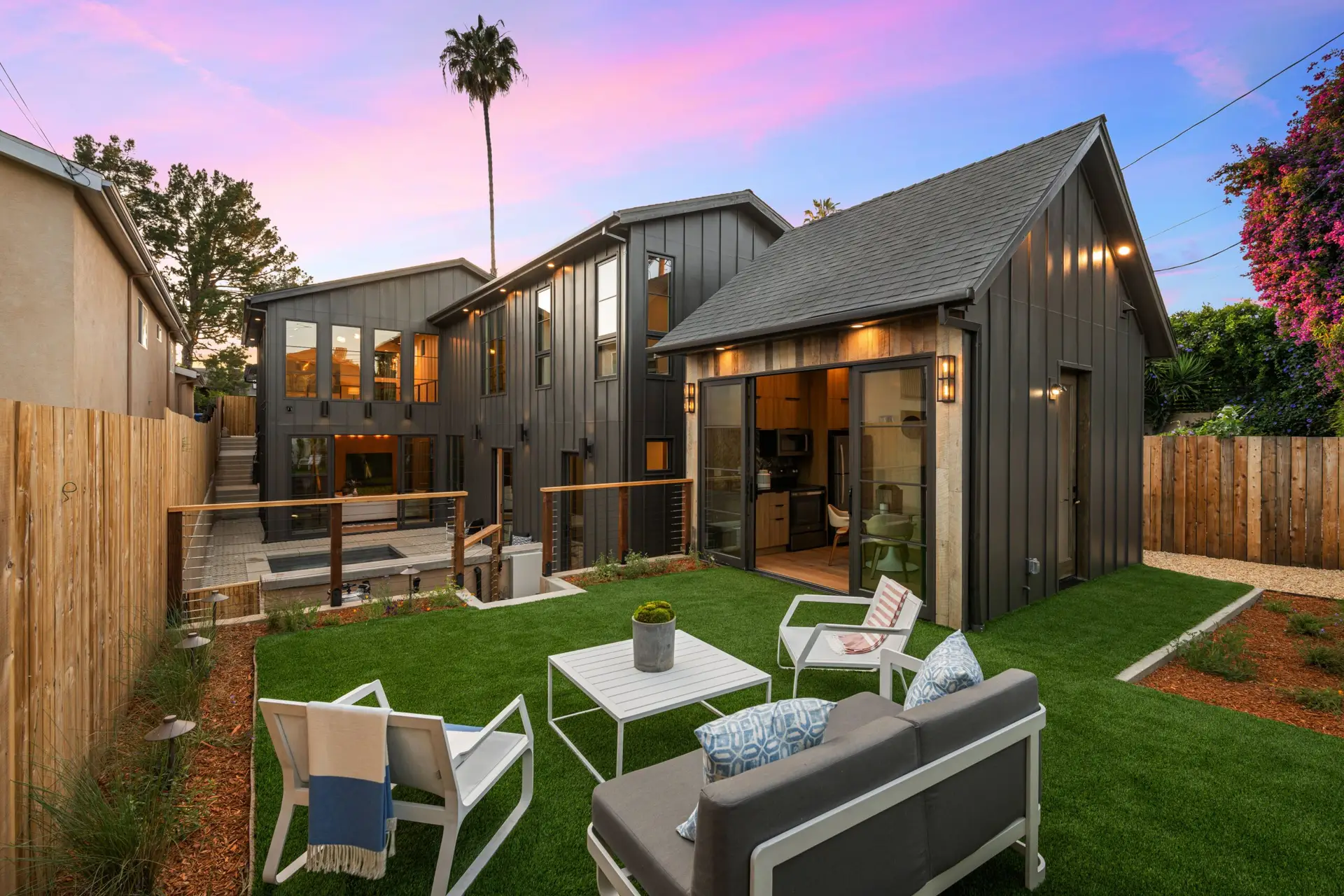
If you’re exploring ways to expand your property, increase income, or create flexible living space for family or guests, you’ve probably heard about accessory dwelling units — commonly known as ADUs. An ADU is a separate, self-contained living unit on the same property as your primary home. It can serve as a rental property, a private suite for aging parents, a home office, or even a creative studio. The idea is simple: you make better use of land you already own.
But building your first ADU can feel overwhelming. Questions about cost, permits, construction timelines, and the right building system often stand in the way of getting started. This guide walks you through the process in clear, practical steps so you know what to expect at every turn — from planning to occupancy.
How Do You Start the ADU Journey?
Every building project begins with understanding your property and local rules. Your first step is to check whether your lot qualifies for an ADU. Most single-family residential zones now allow at least one ADU, but cities and counties vary in their exact requirements for setbacks, height limits, maximum size, and utility connections. Calling your local planning department or visiting your city’s ADU landing page can save time and prevent surprises.
At ECO Smart Homes, the process often starts with a consultation that helps homeowners check property eligibility and align expectations with local regulations. Knowing what the rules allow and require is essential before you invest in design or permits.
What’s the Next Step After Understanding Zoning and Permits?
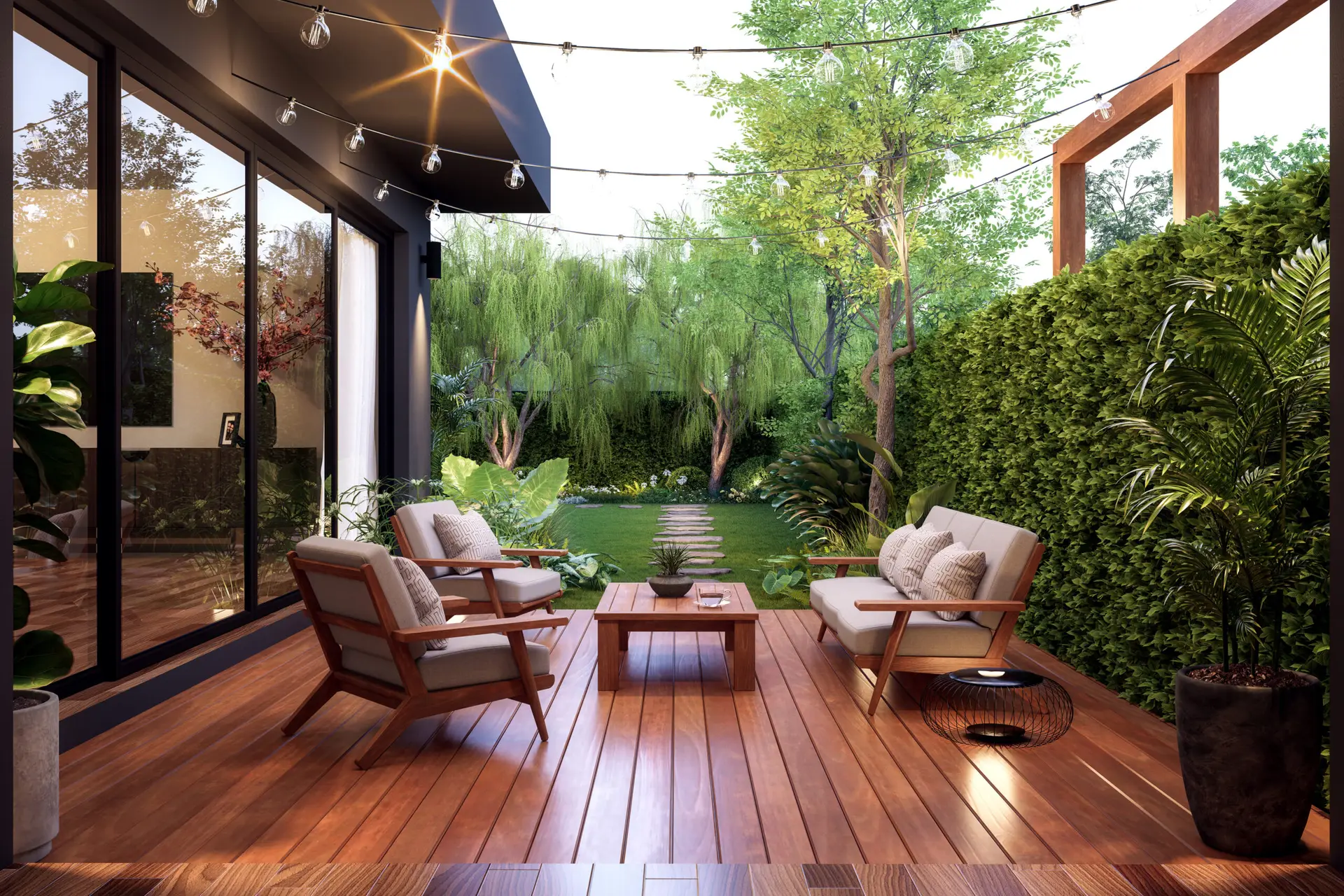
Once you know your property qualifies, it’s time to define how you want to use your ADU. Are you planning to rent it out long-term? Are you creating a guest suite, a home office, or a multigenerational living space? Your intended use influences layout decisions, closets, kitchen size, number of bedrooms, and overall square footage.
ECO Smart Homes offers a range of ADU models with varying footprints and layouts, giving you options from cozy studios to larger two-bedroom units. After selecting a model or design direction, the team helps refine plans so they meet your needs and local code requirements.
How Do You Get Permits and Approvals?
Permitting is often the step that intimidates first-time builders the most. However, it doesn’t have to be confusing. The key is preparation. Your builder or designer will translate your ADU plan into a set of architectural drawings that conform to local building codes. Then you submit those drawings to the city, along with any required documentation like site plans, utility plans, and energy calculations.
Turnaround times vary by jurisdiction, but working with a company like ECO Smart Homes that understands local permitting processes can help smooth out approvals. By anticipating plan check comments and incorporating code compliance early in the design phase, you reduce the risk of costly revisions.

What Comes After Permit Approval?
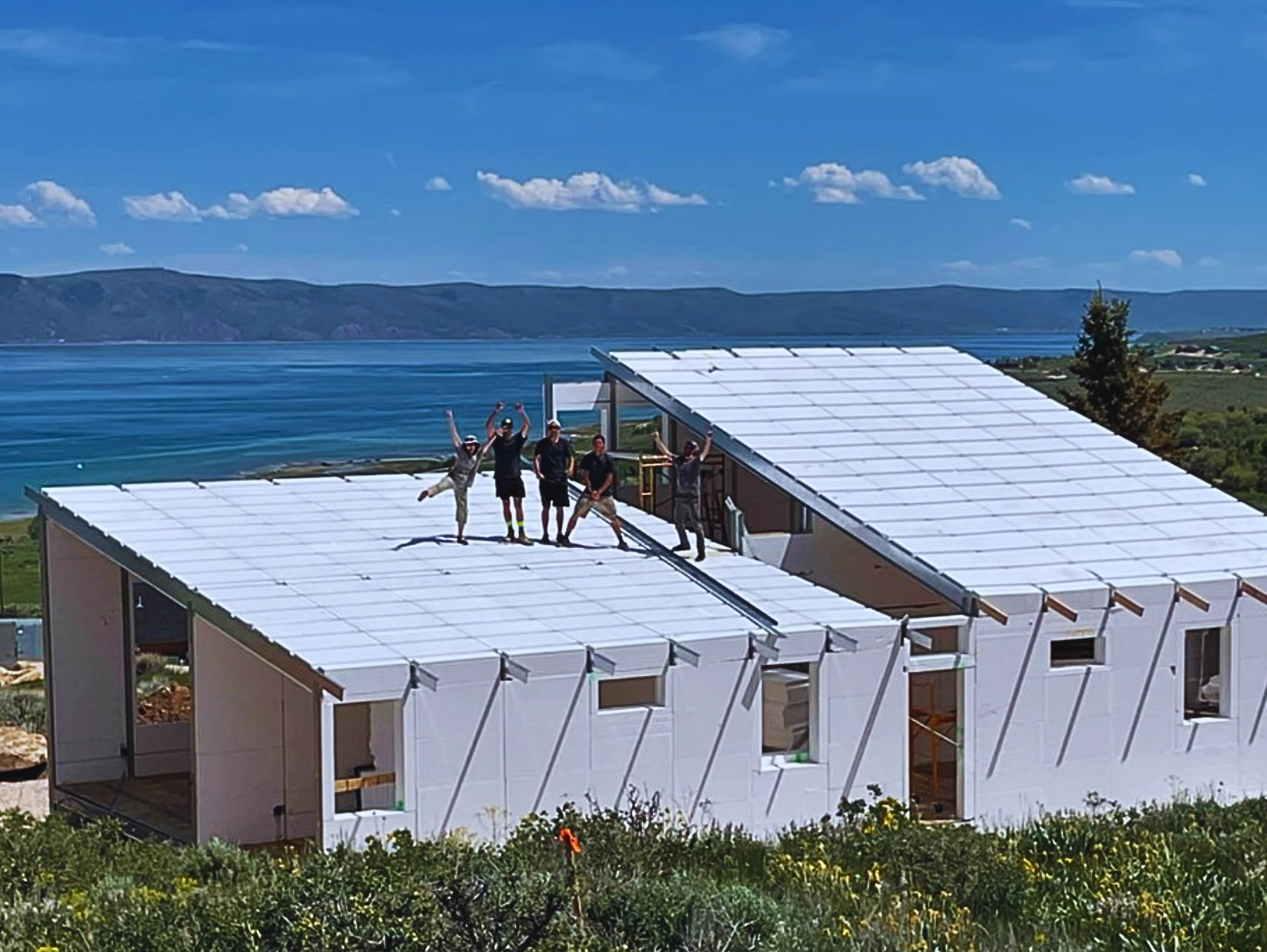
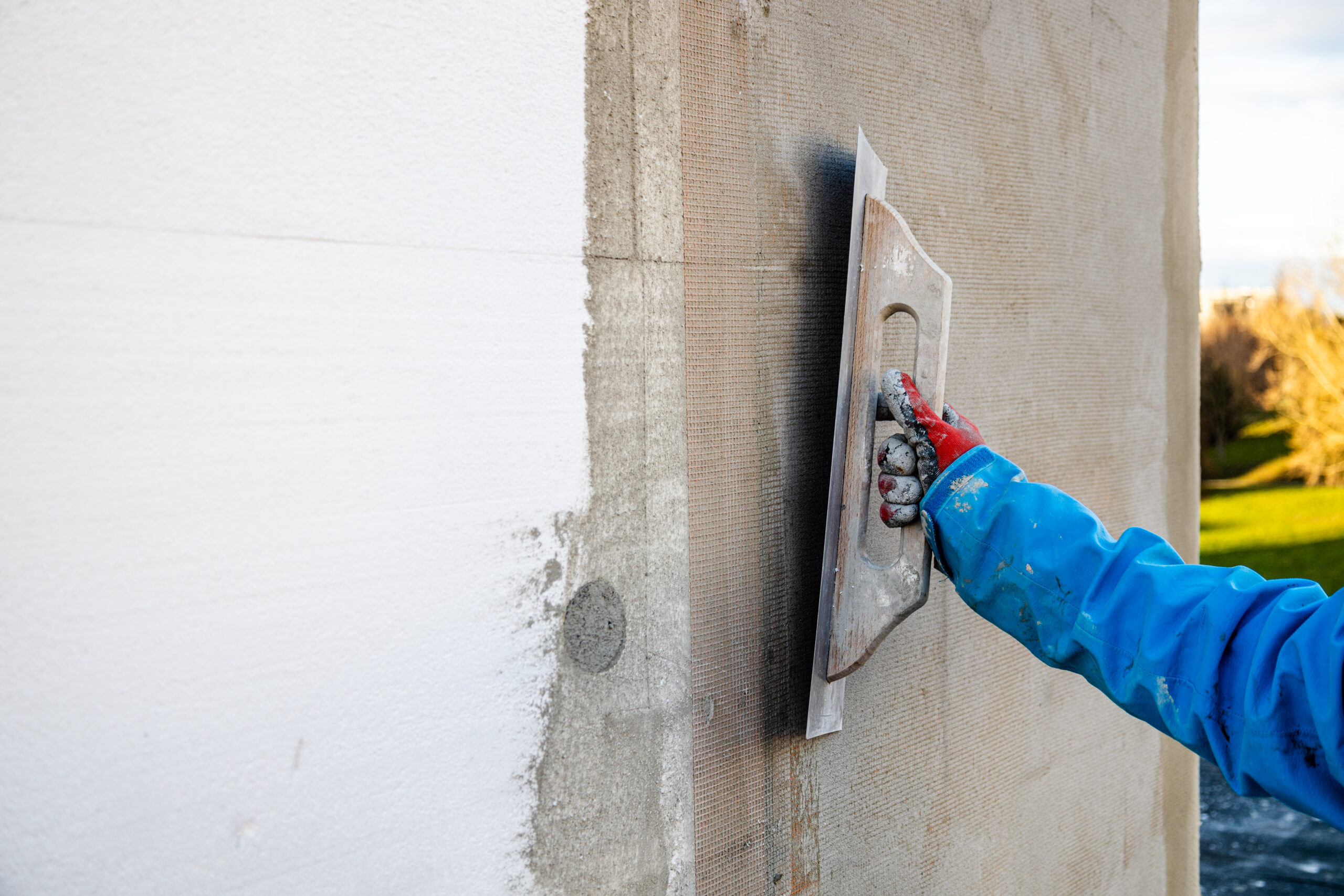
With permits in hand, construction can begin. This is where the ECO Smart Homes system shows its strengths. Unlike traditional stick-built homes that rely on framing lumber, insulation batts, and many separate installation steps, ECO Smart Homes uses a patented steel frame and engineered EPS panel system. These components are precision-manufactured and designed to fit together quickly and efficiently onsite.
Before crews arrive, much of the building shell — walls, roof panels, and structural elements — has already been engineered. That means when construction starts, the process moves rapidly. ECO Smart Homes estimates that from permit approval to finished structure, an ADU can be completed in as little as two to five weeks. This compressed schedule dramatically reduces onsite disruption and helps you start using or renting the space much sooner.
How Does the Construction Phase Actually Unfold?
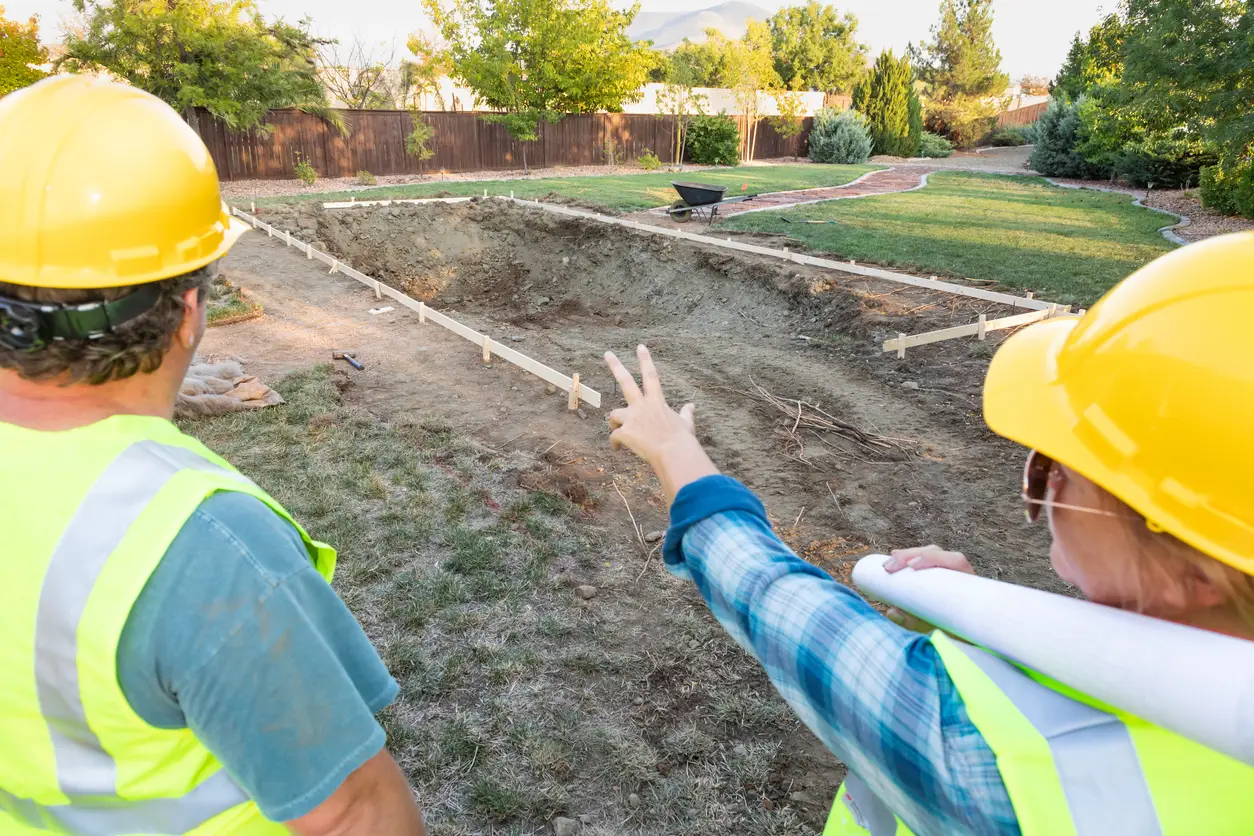
Most ADU builds begin with site preparation and foundation work. This involves clearing the area, leveling the ground, and installing the foundation system that will support your unit. Once the foundation is ready, the steel frames and EPS panels are assembled. Because these pieces are engineered to fit together precisely, crews can build the shell of the ADU efficiently.
As the structure goes up, interior trades — plumbing, electrical, HVAC — connect to the main systems. With a streamlined building system like steel and EPS, the coordination between trades is simplified, which often results in fewer delays and a more predictable timeline.
After the shell and systems are in place, finishing touches — drywall, flooring, cabinetry, and fixtures — are completed. When these final steps are finished, your ADU is ready for inspection and, ultimately, occupancy.
How Do You Plan for Utilities and Services?
An ADU must connect to utilities like water, sewer, electricity, and sometimes gas or internet. Planning for these connections early is crucial, especially if your site requires extending lines or upgrading infrastructure. In many cases, the main house’s service lines can be extended to the ADU, but local codes and capacity limits vary.
ECO Smart Homes works with homeowners to plan utility connections as part of the overall project. By coordinating utility work with structural construction, you avoid unnecessary delays and ensure inspections happen on schedule.
What Should You Expect from the Timeline and Budget?
Building an ADU is an investment, and understanding how time and cost interrelate helps you plan effectively. With a traditional build, delays are common — weather interruptions, material shortages, and coordination challenges between subcontractors can stretch projects out for months. ECO Smart Homes’ engineered system reduces many of those variables. Because most components are prefabricated and require minimal onsite cutting, the timeline is more predictable.
A faster build also helps reduce labor costs and homeowner stress. Rather than living with crews on site for months, many homeowners find the process shorter, cleaner, and easier to manage.
Budget expectations should also include permitting fees, utility connections, site prep, and finishes. Working with a builder who offers transparent pricing and support throughout the permitting and construction phases helps you avoid surprises.
What Happens After the ADU Is Built?
Once construction is complete and inspections are passed, your ADU is ready for occupancy. If you intend to rent it out, this is when you can list the space and begin earning rental income. Whether long-term or short-term rental platforms, having a move-in ready unit gives you flexibility and potential cash flow.
If you’re using the ADU for family, guests, or home office space, the build gives you immediate usable space that enhances your lifestyle. ADUs add square footage and functionality, but they also add value — both financially and in everyday convenience.

How Can You Make the Most of Your ADU?
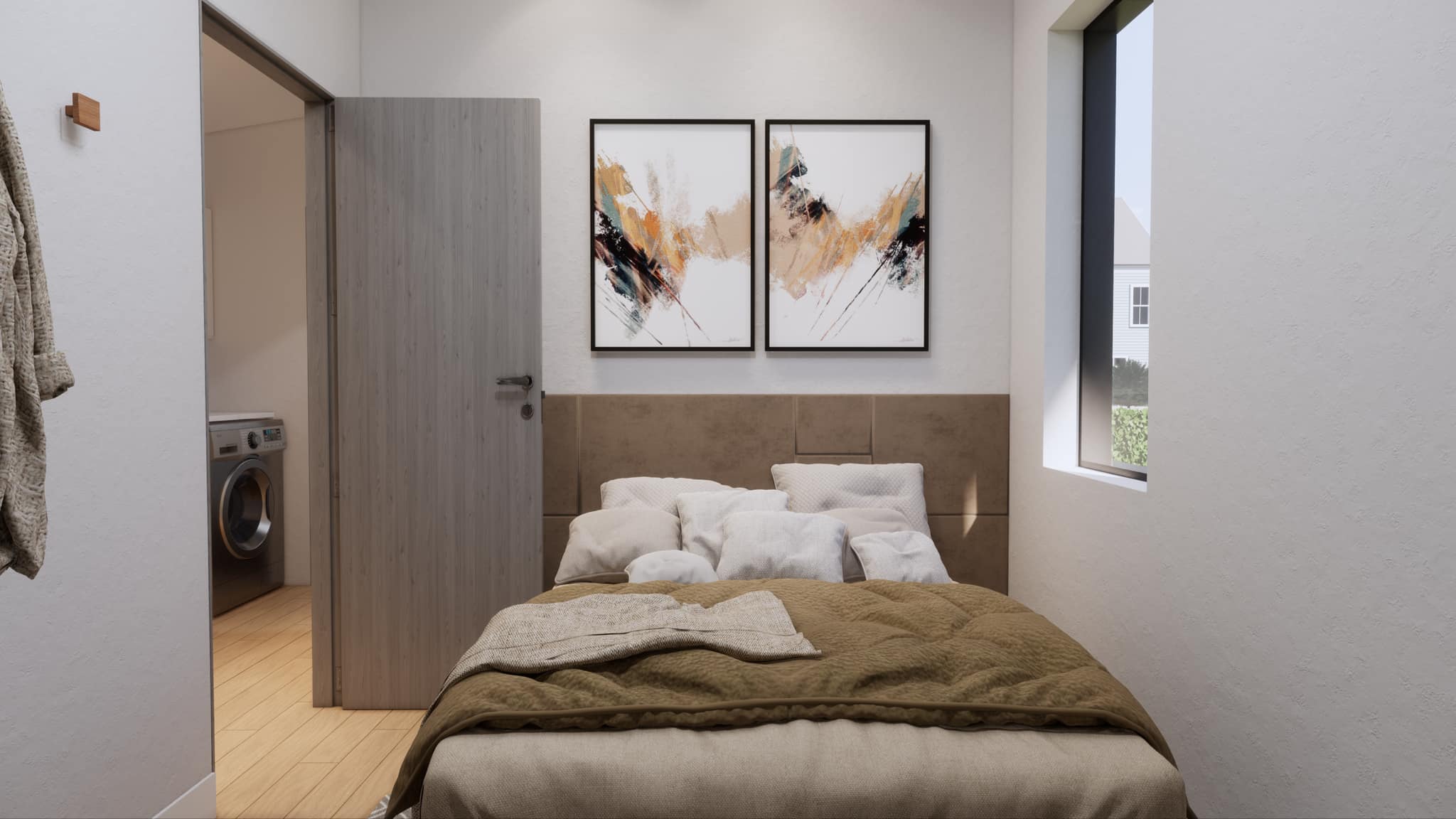
Your ADU is a versatile asset. If rental income is a priority, thoughtful interior design, energy-efficient fixtures, and durable finishes can make your ADU more attractive to tenants. If your focus is comfort for family or guests, consider layouts that maximize natural light and privacy.
Because ECO Smart Homes builds with high-performance insulation and a thermally efficient envelope, your ADU will be comfortable and energy efficient from day one. This not only benefits occupants but also lowers operating costs over time.
What’s the Biggest Piece of Advice for First-Time ADU Builders?
The most important takeaway in building your first ADU is to plan intentionally and partner with professionals who understand both the regulatory landscape and modern building systems. Understanding your local code, knowing your project goals, and choosing a team that simplifies permitting, design, and construction will make the difference between frustration and success.
Building an ADU can feel like a big step, but with the right guidance and a system designed for efficiency, it becomes an exciting opportunity to maximize your property’s value, enhance your lifestyle, and create space that truly works for you. Whether you’re planning to rent, house family, or expand your living space, your first ADU is just the beginning of what your property can become.