Beyond Solar Panels: A Smarter Definition of Eco-Friendly Homebuilding
What Does It Mean to Be an Eco-Friendly Home Builder in California?
When you hear the term “eco-friendly home builder,” what comes to mind? For many people it conjures up images of solar panels and recycled tiles, but real eco-friendly building starts much deeper than cosmetics. It’s about choosing the right materials, reducing waste, prioritizing energy efficiency, and building homes that perform better today and stay resilient into the future. In California, where environmental awareness and climate challenges are at the forefront of every homeowner’s mind, true eco-friendly construction is becoming the new standard rather than a niche choice.
At ECO Smart Homes, being an eco-friendly home builder in California means rethinking every aspect of the construction process to align with sustainability, durability, and comfort. This approach allows homeowners to reduce their environmental impact without sacrificing design, livability, or long-term value.
What Makes ECO Smart Homes an Eco-Friendly Builder in California?
ECO Smart Homes isn’t just another builder claiming to be “green.” The company’s mission is to revolutionize homebuilding by creating living spaces that are efficient, sustainable, and built to last. This starts with their patented building system, which replaces traditional wood framing with engineered steel and EPS (expanded polystyrene) panels. These materials are chosen for their performance, not just their sustainability credentials. Steel provides unmatched strength and longevity and resists warping, rot, pests, and moisture that often plague conventional materials. EPS panels deliver continuous high-performance insulation, contributing to dramatically lower energy use.
By using this system, ECO Smart Homes achieves substantial environmental benefits. The manufacturing process produces significantly less waste, reduces carbon emissions, and results in homes that are far more energy efficient than typical stick-built structures. The homes are engineered to be airtight, hold temperature efficiently, and work well with renewable energy systems like solar and battery storage, all of which support long-term sustainability goals.
How Does Sustainable Building Material Choice Impact Long-Term Performance?
Materials matter. Choosing durable, resilient materials affects not just the environment but the lifespan of the home itself. Traditional wood framing has been the standard for decades, but it comes with environmental and performance drawbacks, especially in climates like California’s. Wood is susceptible to moisture, pests, and warping, all of which can lead to energy loss and higher maintenance demands over time.
By contrast, the steel and EPS system used by ECO Smart Homes eliminates many of those issues. Steel doesn’t rot, mold, or attract termites, and EPS doesn’t absorb water or degrade over time. Together, these materials create a building envelope that resists the common forms of deterioration seen in conventional homes and helps keep energy use low for decades. These performance advantages are not just eco-friendly in theory—they translate into real-world savings and significantly less environmental impact over the life of the home.
Why Is Energy Efficiency Such a Big Part of Eco-Friendly Building?
Energy efficiency is one of the most important aspects of sustainable construction because so much of a home’s environmental impact comes after it’s built, during everyday use. Homes that lose heat in winter or cool air in summer require more energy to maintain comfortable temperatures. That energy typically comes from fossil fuel or grid power sources, which contributes to carbon emissions.
ECO Smart Homes’ high-performance insulation and airtight design are central to reducing this energy demand. The continuous EPS insulation provides a thermal barrier that holds temperature and reduces heating and cooling costs dramatically. According to the company, this approach can lead to energy efficiency far above what traditional builds typically achieve—often saving homeowners hundreds of dollars per year on utility bills while significantly reducing the home’s carbon footprint.
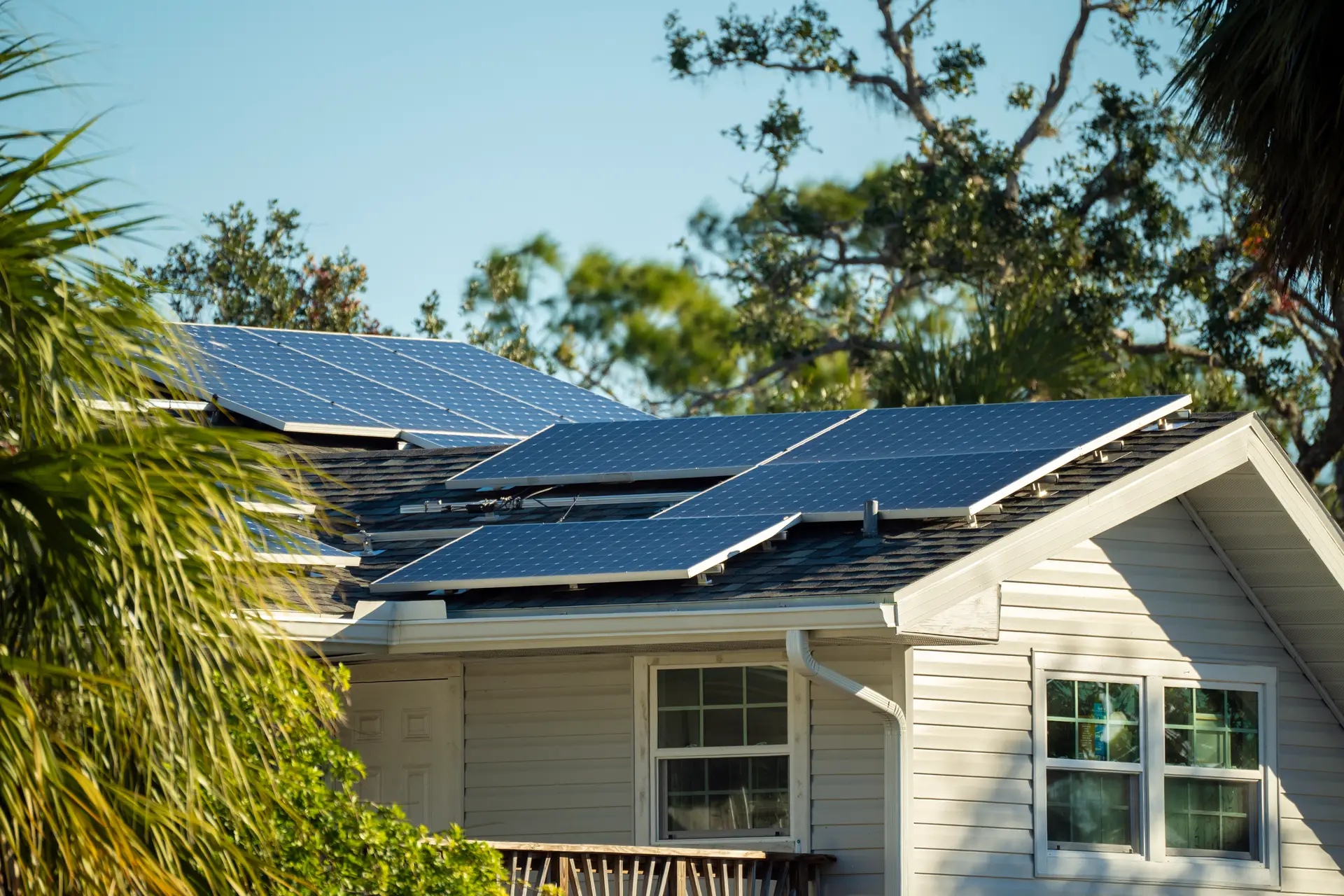
Energy efficiency also supports the integration of renewable systems. Because the structure holds temperature so well, solar panels and battery systems can cover a higher percentage of a home’s energy needs, moving the dwelling closer to net-zero or off-grid performance. This capability aligns with both sustainability goals and long-term cost savings.
How Does ECO Smart Homes Reduce Waste and Carbon Emissions?
Sustainable building cannot ignore what happens during construction. Traditional job sites generate large amounts of waste from on-site cutting, material miscounts, and leftovers that go straight to the landfill. Eco-friendly builders work to minimize that waste through precision engineering and off-site manufacturing.
ECO Smart Homes’ materials are manufactured to exact specifications before they ever reach the property. Precision cutting and factory assembly result in far less waste onsite. Not only does this reduce the environmental impact of the build, but it also keeps job sites cleaner and lowers disposal costs. According to the company’s own data, their construction process produces roughly 43% fewer carbon emissions and up to 90% less onsite waste compared to traditional building methods.
Reducing waste and emissions during construction is as important as minimizing energy use after completion. Together, these outcomes create a truly sustainable approach rather than a superficial one.
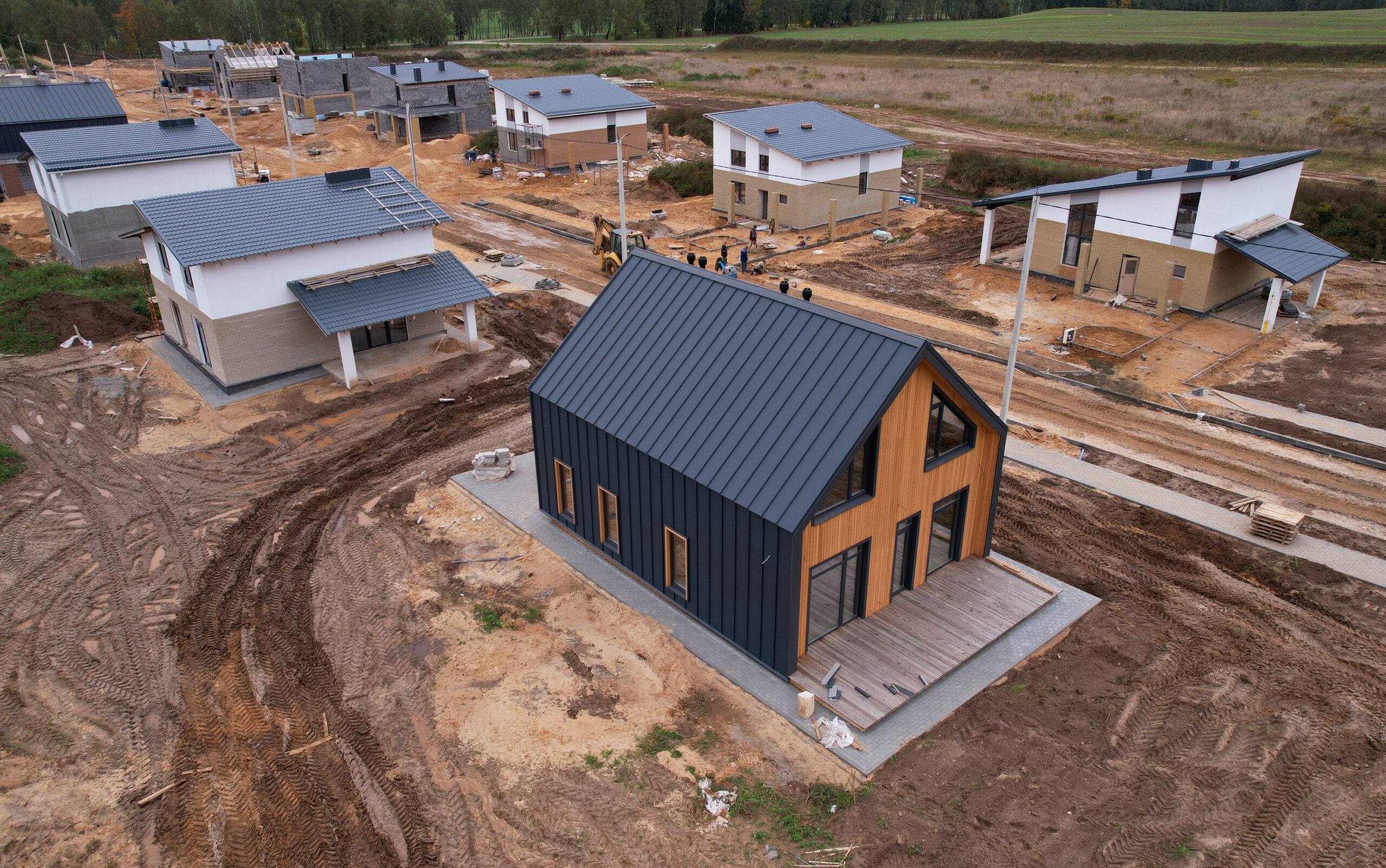
How Does Building With ECO Smart Homes Benefit California Homeowners?
For many Californians, sustainability isn’t an abstract ideal—it’s a practical priority informed by regional challenges such as energy costs, environmental regulations, and climate risk. ECO Smart Homes’ approach addresses all of these concerns. Their homes are engineered to meet or exceed building codes for seismic resilience, fire resistance, and structural performance, particularly important in a state prone to earthquakes and wildfires.
Homeowners also appreciate the speed and predictability of the building process. ECO Smart Homes can complete projects much faster than traditional construction timelines, often finishing ADUs or complete homes on site in a matter of weeks rather than months. This efficiency reduces cost overruns and stress for homeowners while delivering high-performance, eco-friendly dwellings that are ready to live in quickly.
What Should Homeowners Expect When Choosing an Eco-Friendly Builder?
Choosing an eco-friendly home builder in California means looking beyond labels and focusing on substance. It means asking how a home handles energy use, material longevity, waste reduction, and environmental impact. ECO Smart Homes’ building system addresses all of these areas by combining design innovation with sustainable principles.
The future of homebuilding is moving toward smarter materials, reduced emissions, and better performance—not just because regulations are tightening, but because homeowners recognize the value of long-lasting, efficient, and healthier living spaces. ECO Smart Homes is at the forefront of this shift, offering a way to build homes that align with environmental values while delivering comfort, resilience, and long-term financial value.
Whether you’re adding an ADU, building a modern home, or investing in sustainable living for your family’s future, choosing an eco-friendly home builder in California is a decision that pays off in more ways than one. ECO Smart Homes combines thoughtful design, innovative materials, and a commitment to sustainability to help make that decision easier—and more impactful.