
Can Retaining Walls Help Reduce Erosion on Your Property?
Yes, when they are designed and built correctly, retaining walls can play a major role in reducing erosion. Erosion is not just about soil washing away during heavy rain. It’s about how water moves across a property, how soil holds together over time, and whether the landscape is working with gravity or constantly fighting it.
At EcoSmart Homes, we look at erosion as a systems issue. Retaining walls are not stand-alone features. They are tools that help stabilize land, manage water, and protect the long-term usability of a site. When those elements are aligned, erosion becomes far easier to control.
What Causes Erosion Around Homes in the First Place?
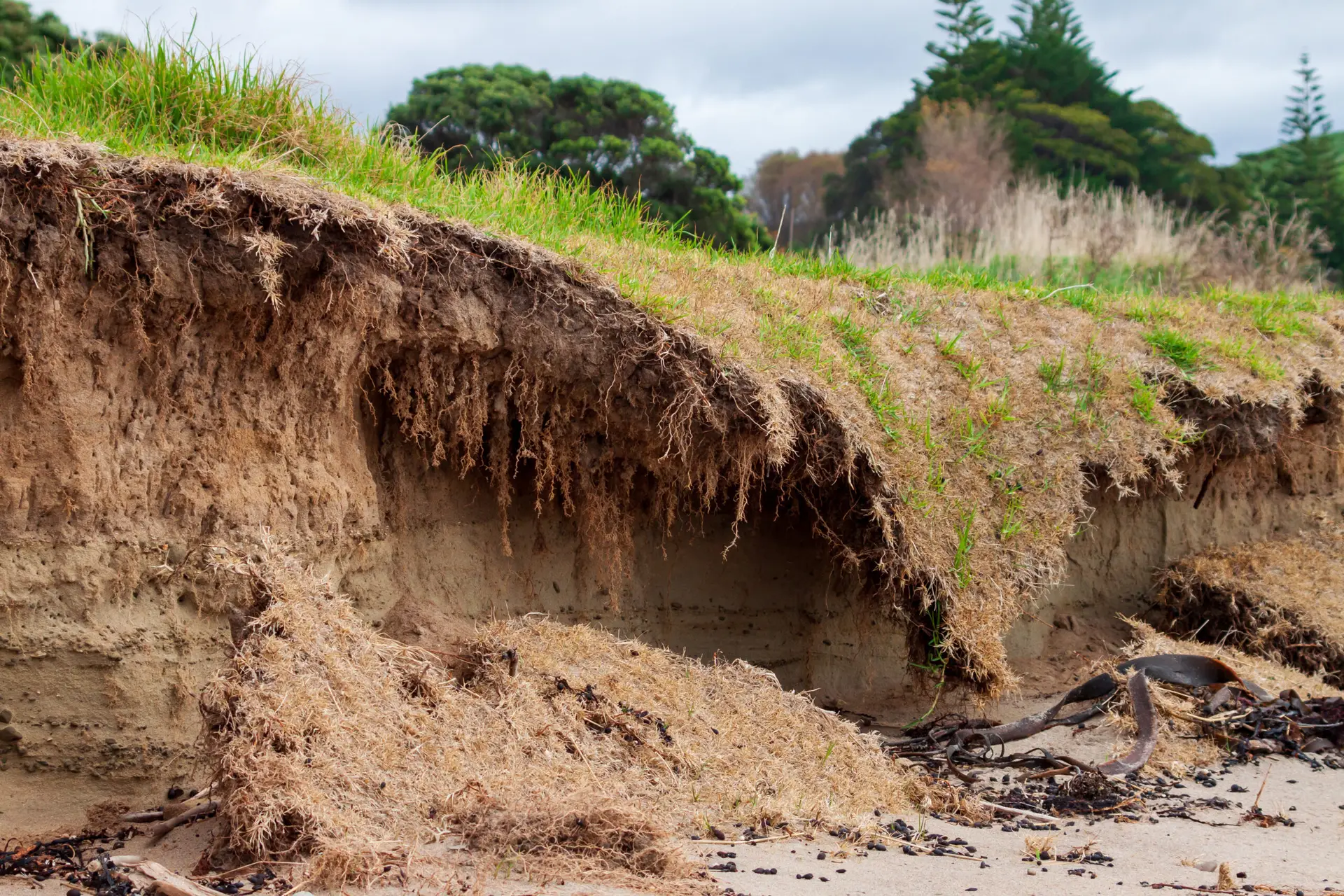
Erosion happens when soil is exposed to moving water without enough resistance to stay in place. Sloped properties are especially vulnerable, but even relatively flat lots can experience erosion if drainage is poorly managed.
Rainfall, irrigation runoff, and groundwater movement all contribute. Over time, water cuts channels through soil, washes away fine particles, and weakens the ground that supports landscaping, hardscaping, and even foundations.
EcoSmart Homes approaches erosion by addressing both soil stability and water movement. Retaining walls become effective when they are part of that bigger picture, not when they are added as a last-minute fix.
How Do Retaining Walls Help Control Soil Movement?
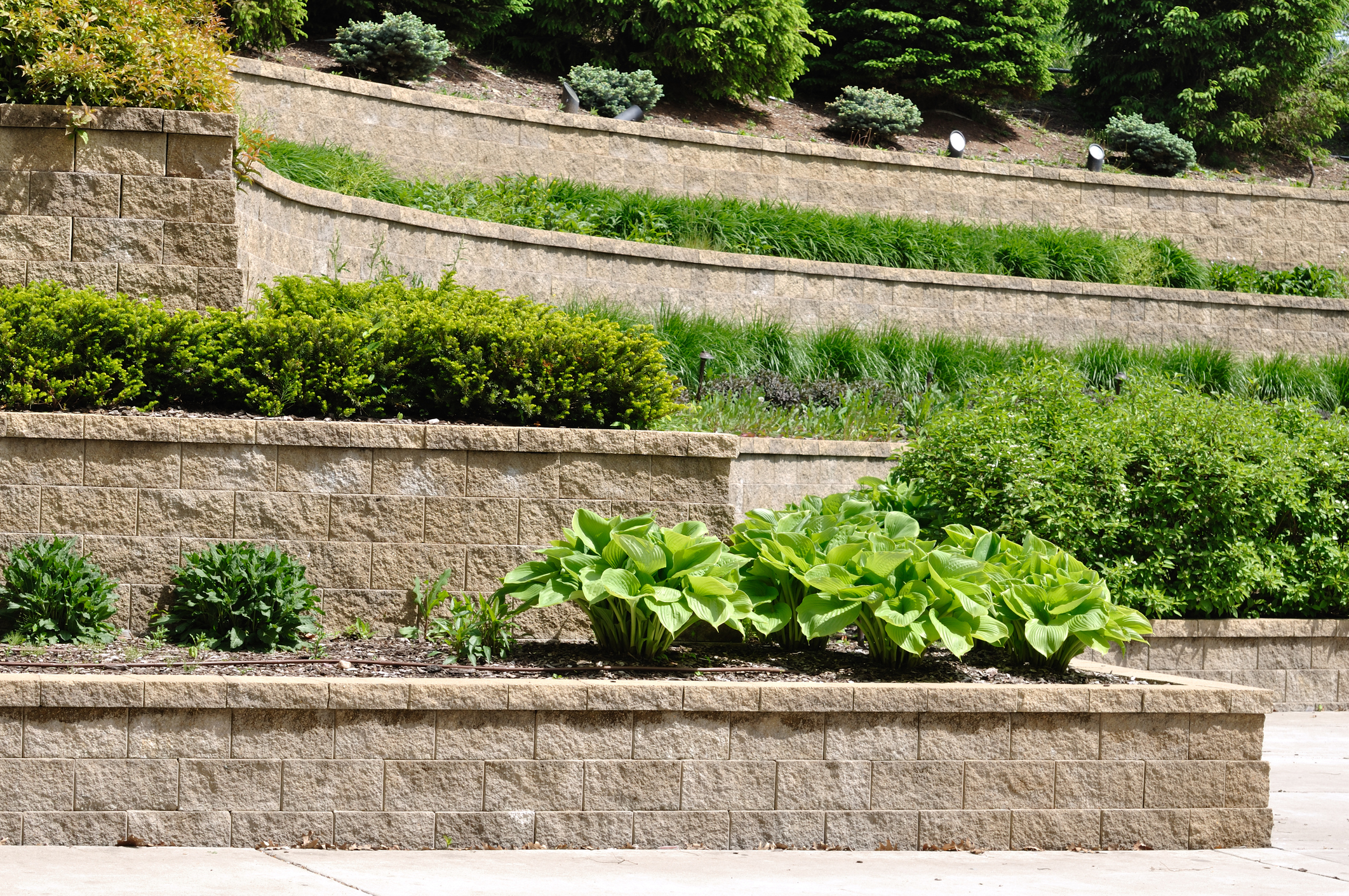
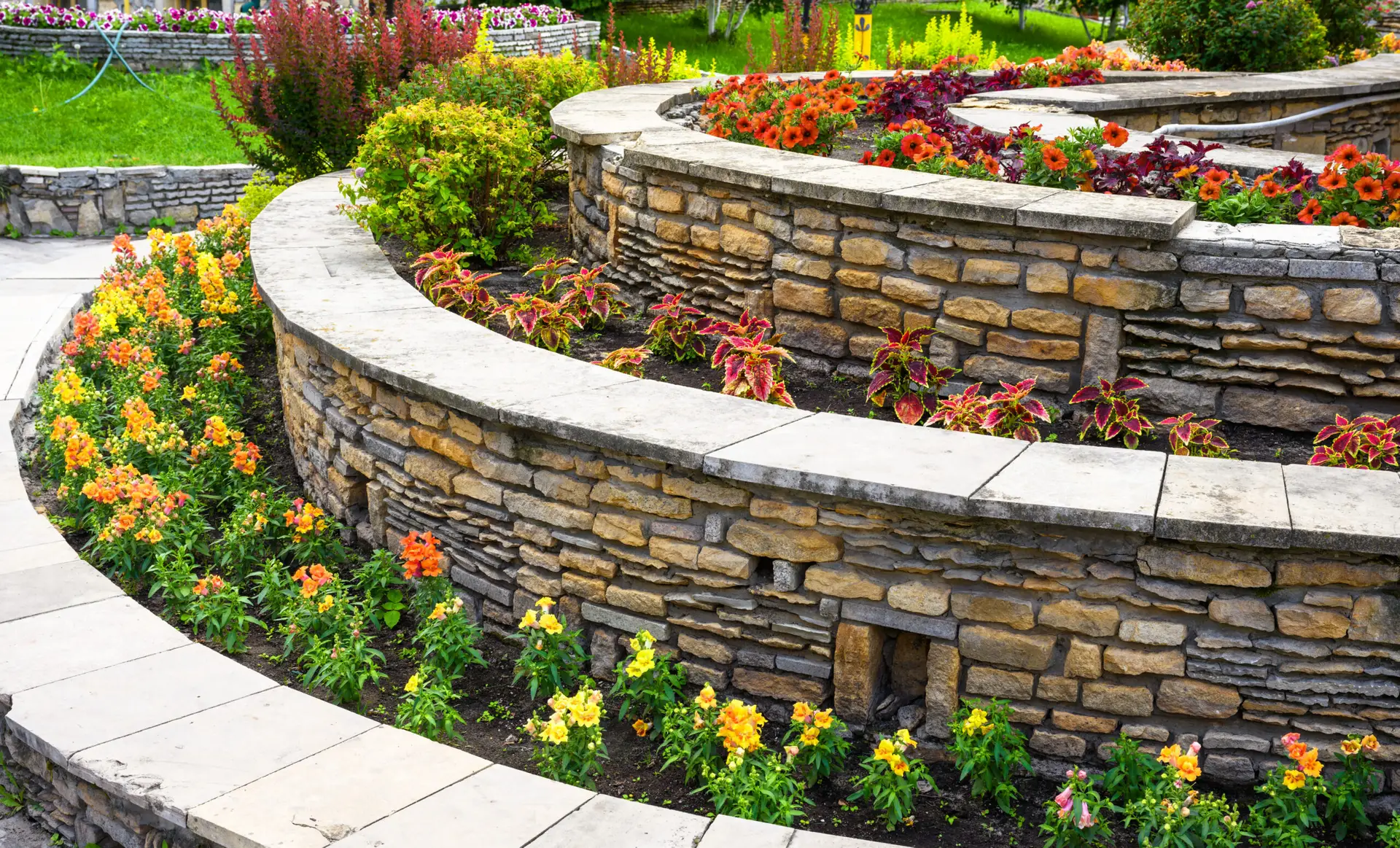
A retaining wall works by holding soil in place and reducing the slope angle that gravity is acting on. By breaking a long slope into smaller, controlled sections, the wall limits how much force water and gravity can apply to the soil.
This matters because erosion accelerates as slopes get steeper and longer. When soil has less distance to travel and less pressure behind it, it’s far more likely to stay where it belongs.
EcoSmart Homes designs retaining wall systems that are engineered for the specific loads and soil conditions of the site. That structural stability is what allows the wall to protect the landscape instead of becoming another failure point.
Why Is Drainage Just as Important as the Wall Itself?
A retaining wall that doesn’t manage water properly can actually make erosion worse. When water builds up behind a wall, pressure increases and soil becomes saturated. That combination leads to cracking, bowing, and eventual failure.
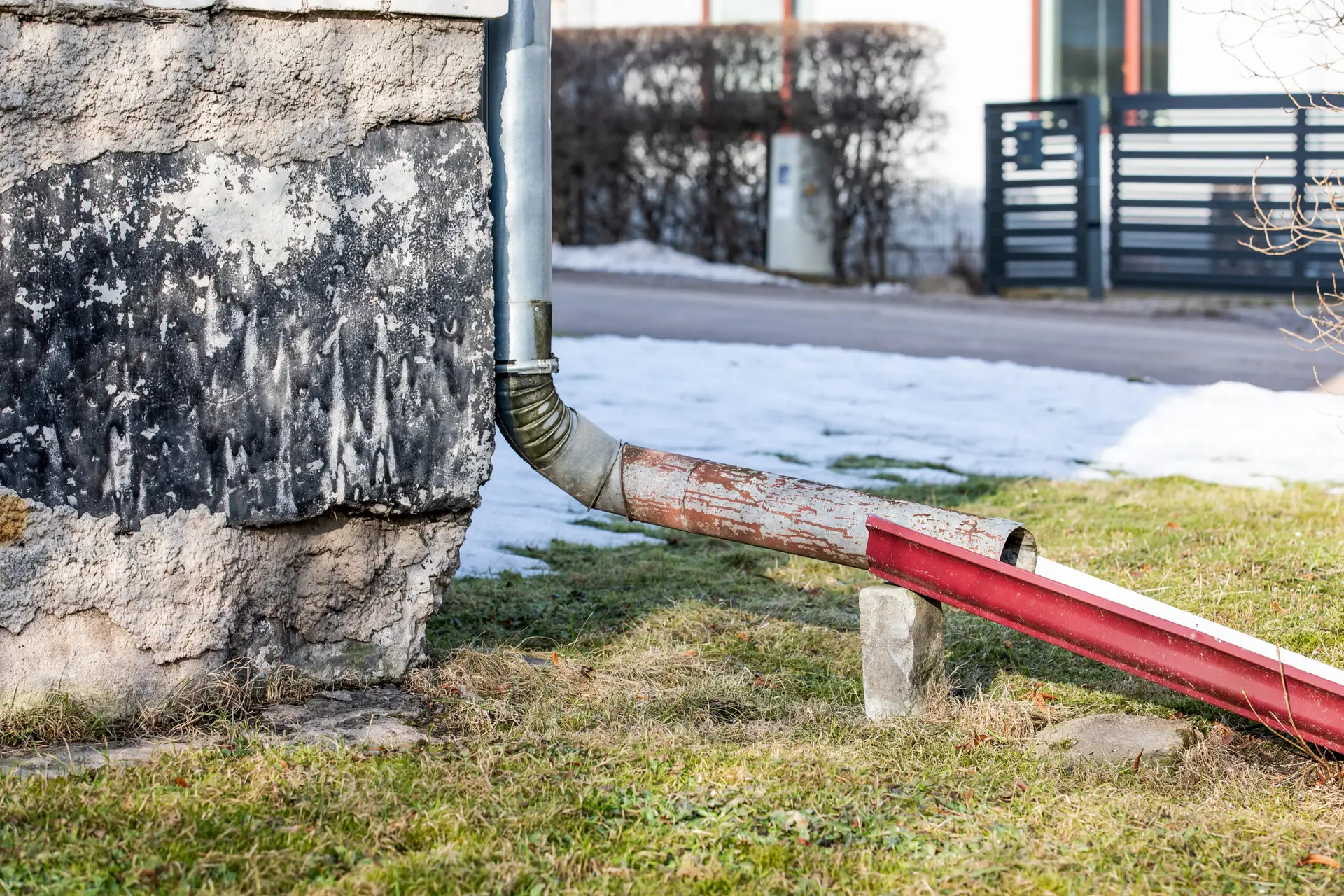
Effective retaining walls include drainage systems that relieve water pressure and guide moisture away from the structure. This keeps the soil behind the wall stable and reduces surface runoff that can erode surrounding areas.
At EcoSmart Homes, drainage is never treated as optional. It is integrated into the wall system so water moves predictably and safely through the site.
Can Retaining Walls Protect Landscaping from Erosion?
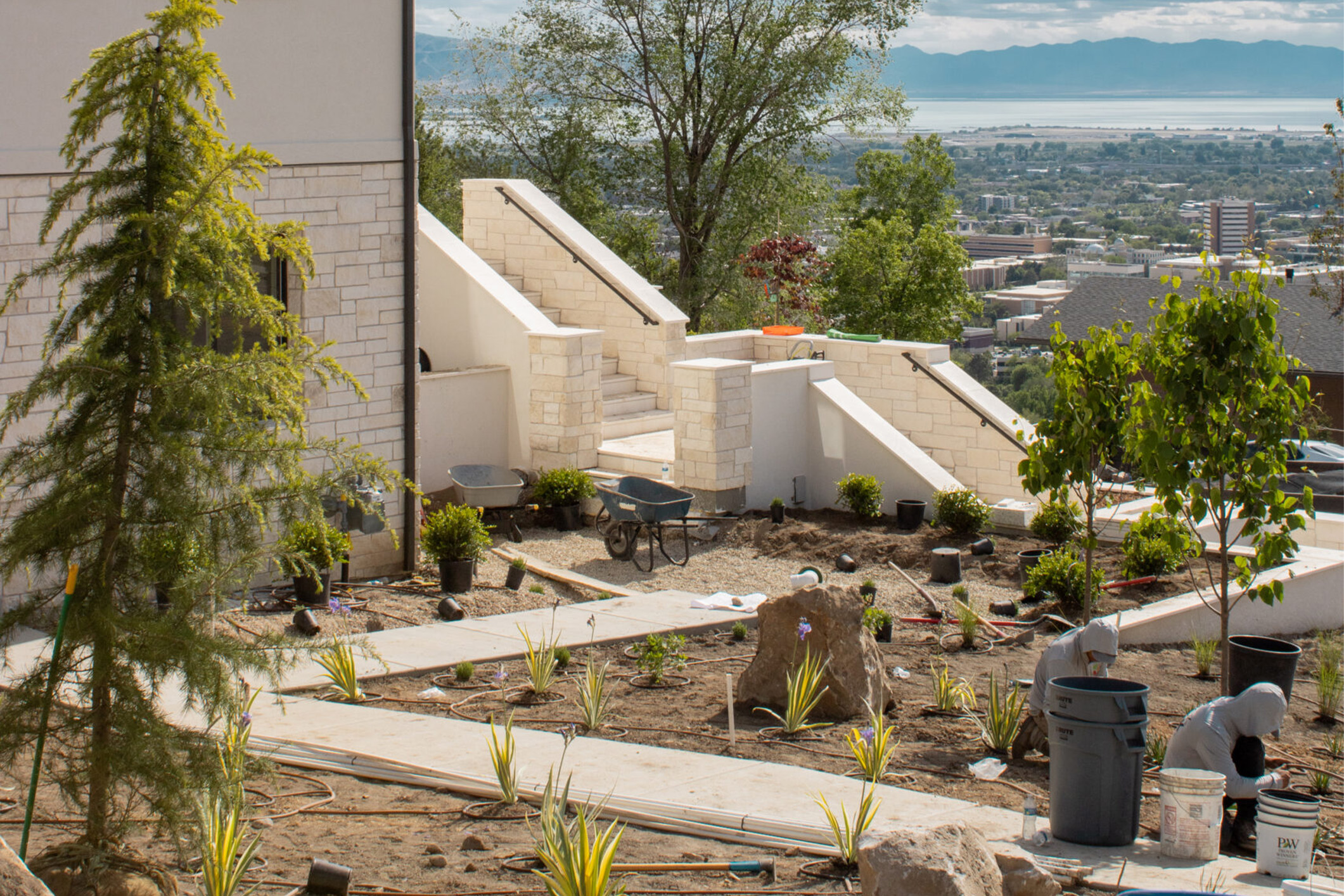
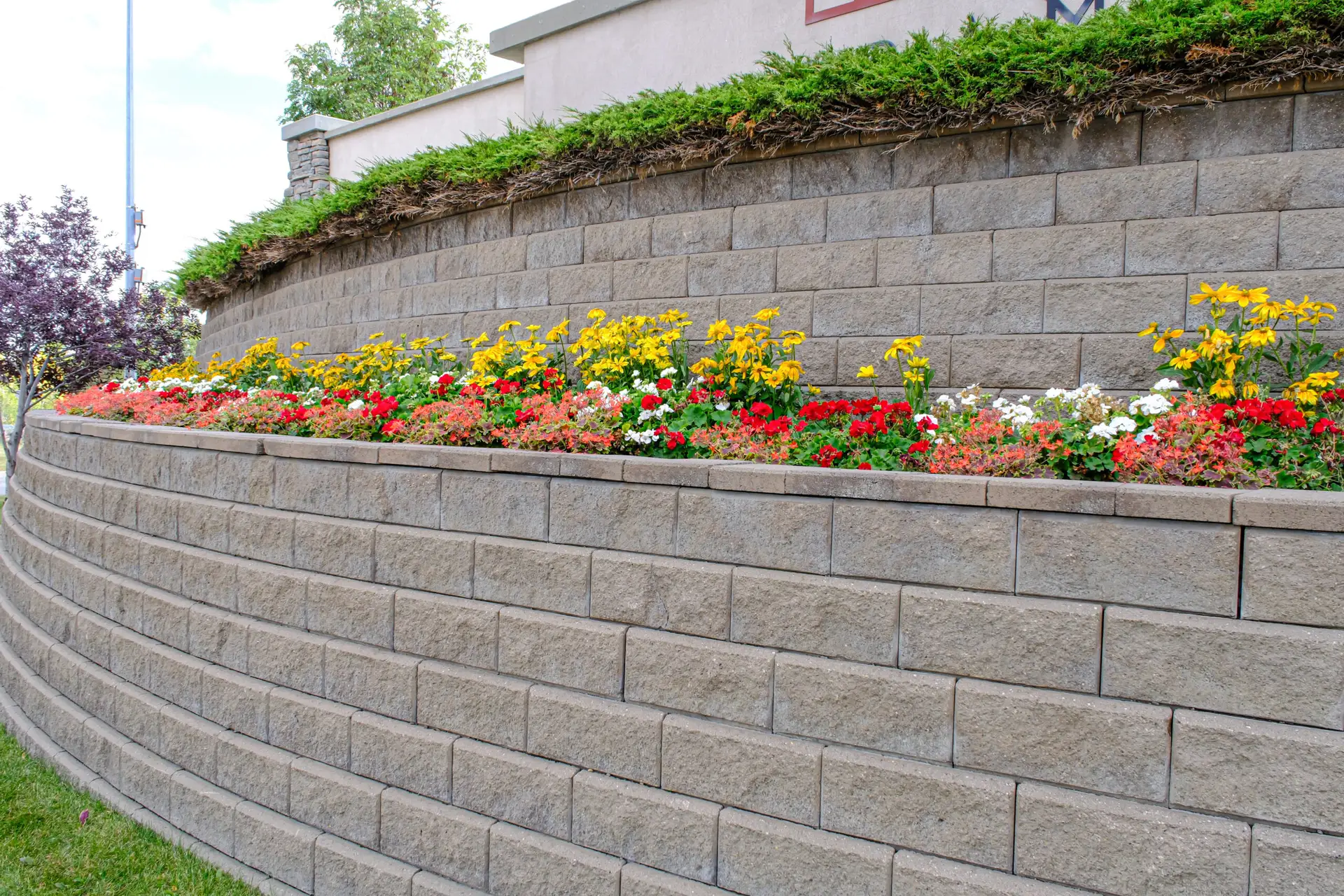
Landscaping often takes the first hit when erosion begins. Exposed roots, washed-out planting beds, and uneven surfaces are early warning signs. Retaining walls help by creating defined planting zones where soil depth and moisture levels remain consistent.
When soil stays in place, plants establish stronger root systems. Those roots further stabilize the ground, creating a reinforcing effect that improves erosion resistance over time.
EcoSmart Homes often combines retaining walls with thoughtful landscaping strategies so the wall and the plantings support each other rather than working independently.
Do Retaining Walls Help with Stormwater Control?
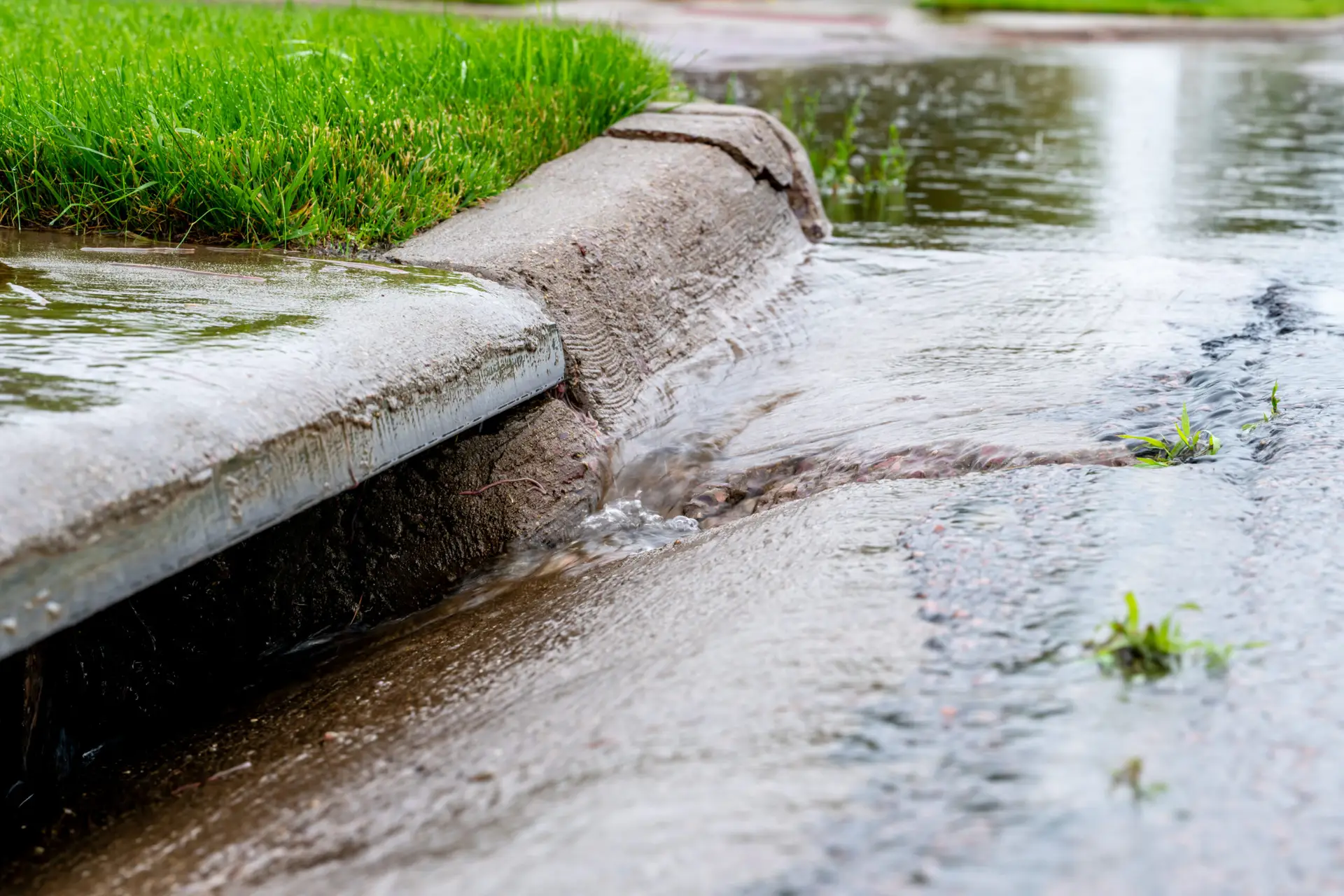
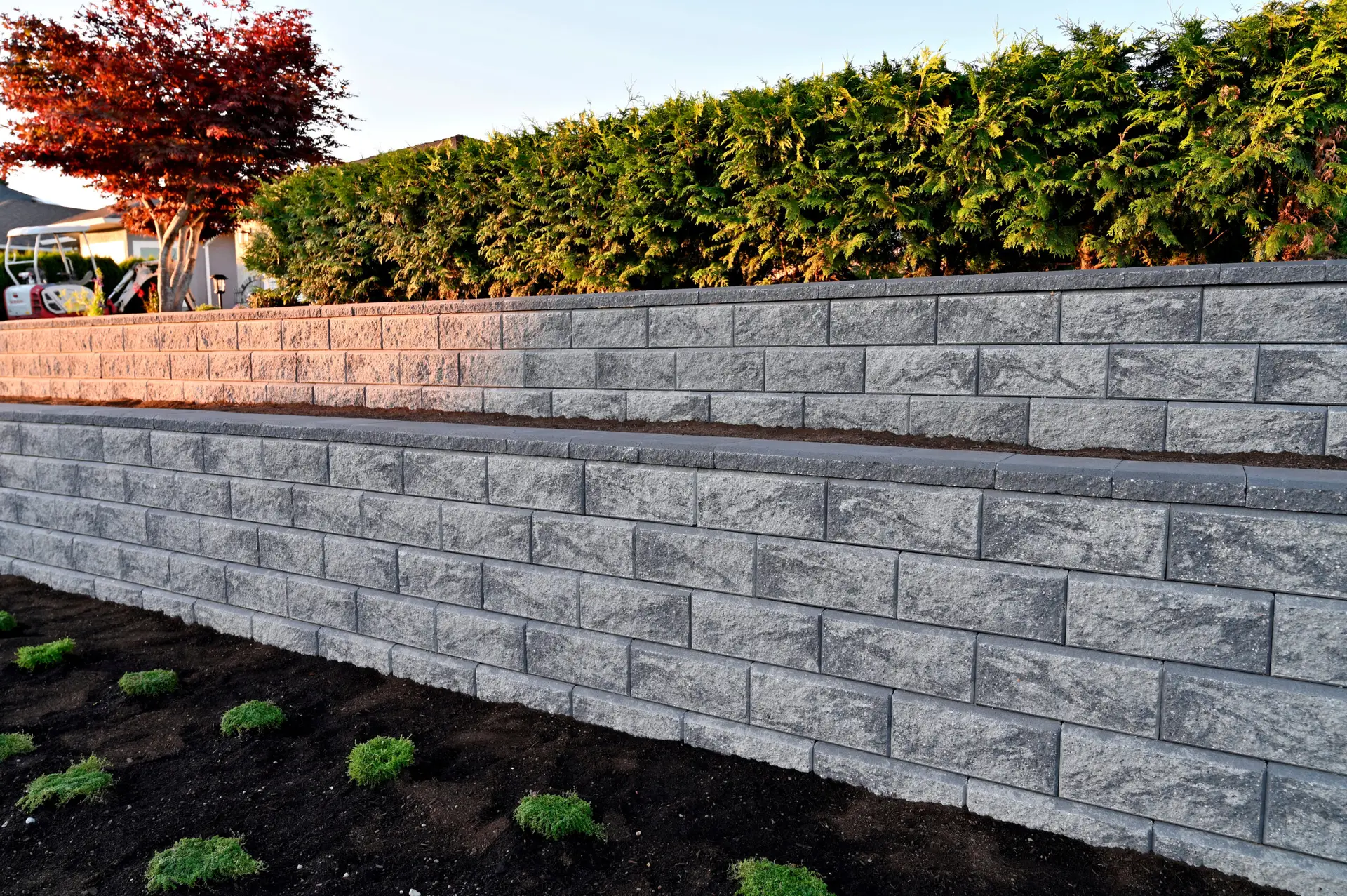
Retaining walls can play a meaningful role in stormwater management when they are designed with that goal in mind. By shaping the land into terraces or level areas, walls slow down water flow and reduce runoff speed.
Slower-moving water causes less erosion and allows more moisture to soak into the ground where appropriate. This reduces stress on drainage systems and minimizes the risk of soil being carried away during heavy storms.
EcoSmart Homes considers how retaining walls interact with the entire site drainage plan. The goal is not just to stop erosion at one point, but to improve how water behaves across the whole property.
Are ALL Retaining Walls Effective at Reducing Erosion?
Not all retaining walls are created equal. Walls built without proper engineering, drainage, or material selection may look fine initially but fail to control erosion long term.
Walls that crack, shift, or allow water to pool behind them can introduce new problems. Instead of stabilizing the soil, they may redirect water in damaging ways.
EcoSmart Homes builds retaining wall systems that are designed for performance first. Material choice, wall thickness, reinforcement, and drainage all work together to ensure the wall does what it’s supposed to do for decades, not just a few seasons.
How Do Retaining Walls Protect Structures and Foundations?
Erosion doesn’t just affect landscaping. Over time, moving soil can undermine walkways, patios, and even building foundations. Retaining walls help create stable zones around structures by keeping soil from migrating.
By controlling grade changes near buildings, walls reduce the chance of water being directed toward foundations. That protection helps preserve the integrity of both the structure and the surrounding land.
EcoSmart Homes often integrates retaining walls into site planning specifically to protect long-term structural performance, not just surface appearance.
Can Retaining Walls Reduce Long-Term Maintenance?
When erosion is left unaddressed, maintenance becomes ongoing. Soil needs to be replaced, landscaping rebuilt, and damaged surfaces repaired. Each fix treats a symptom rather than the cause.
A properly designed retaining wall reduces the conditions that cause erosion in the first place. When soil stays put and water moves as intended, maintenance demands drop significantly.
EcoSmart Homes focuses on building systems that reduce repeated intervention. Retaining walls that manage erosion well quietly save time, money, and frustration over the life of the property.
What Should Homeowners Consider Before Installing a Retaining Wall?
The most important question is not whether a retaining wall is needed, but how it will function within the larger site. Soil type, slope, drainage patterns, and climate all influence how effective a wall will be.
EcoSmart Homes evaluates these factors before recommending a solution. A retaining wall should solve a problem, not create new ones. When designed with intention, it becomes a long-term asset rather than a recurring concern.
So, Can Retaining Walls Reduce Erosion on Your Property?
Yes, and when designed correctly, they can be one of the most effective tools available. Retaining walls stabilize soil, manage water, protect landscaping, and support the long-term health of a property.
At EcoSmart Homes, we see retaining walls as part of a broader strategy to build with the land instead of constantly repairing it. When erosion is addressed at its source, the entire site becomes more stable, usable, and resilient.
A retaining wall that works well doesn’t draw attention to itself. It simply keeps the ground where it belongs, season after season, year after year.