
Combining Outdoor Living and Energy Efficiency
Why Are Outdoor Living and Energy Efficiency Often Treated Separately?
Outdoor living spaces are usually designed for comfort, beauty, and entertaining, while energy efficiency is thought of as something that happens inside the walls of a home. That separation is one of the biggest missed opportunities in residential design. Outdoor spaces influence how a home gains and loses heat, how people use their interior spaces, and how much energy the home ultimately consumes.
At EcoSmart Homes, we look at the house and the site as one connected system. When outdoor living areas are designed intentionally, they can reduce energy demand, improve comfort indoors, and extend how people use their homes throughout the year. Energy efficiency doesn’t stop at the back door. It often starts there.
How Can Outdoor Design Lower a Home’s Energy Use?
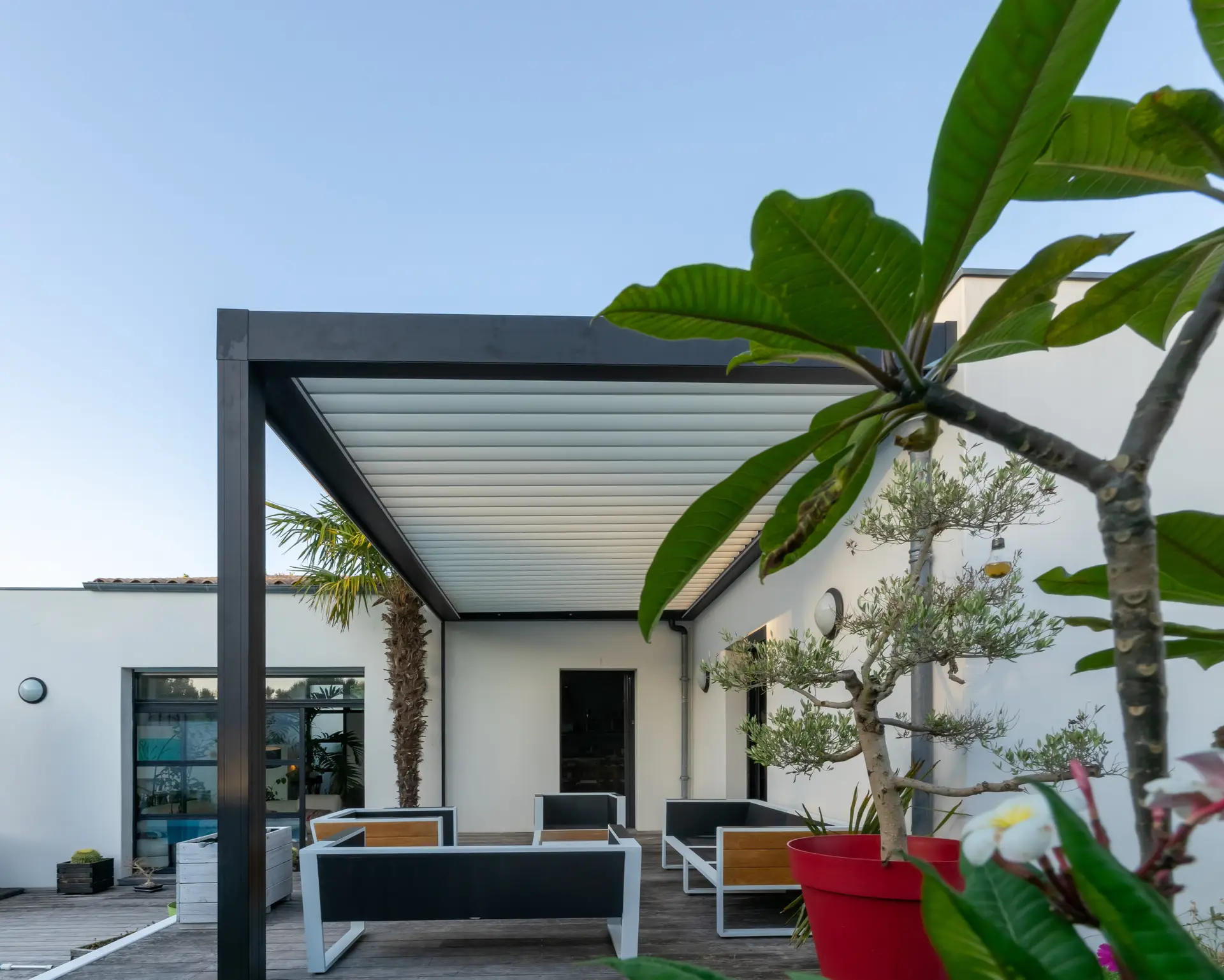
Thoughtful outdoor design can reduce the amount of heat that enters a home during warm months and help retain warmth during cooler periods. Shade structures, covered patios, and strategically placed outdoor spaces reduce direct sun exposure on walls and windows. That means interior spaces stay cooler without relying as heavily on mechanical cooling.
EcoSmart Homes often integrates outdoor living elements into the architecture itself. Roof overhangs, covered decks, and pergolas aren’t decorative extras. They are tools that manage solar gain. When sunlight is filtered or redirected before it reaches the building envelope, the home stays more comfortable and energy use drops naturally.
Why Does Shading Matter More Than Most People Realize?
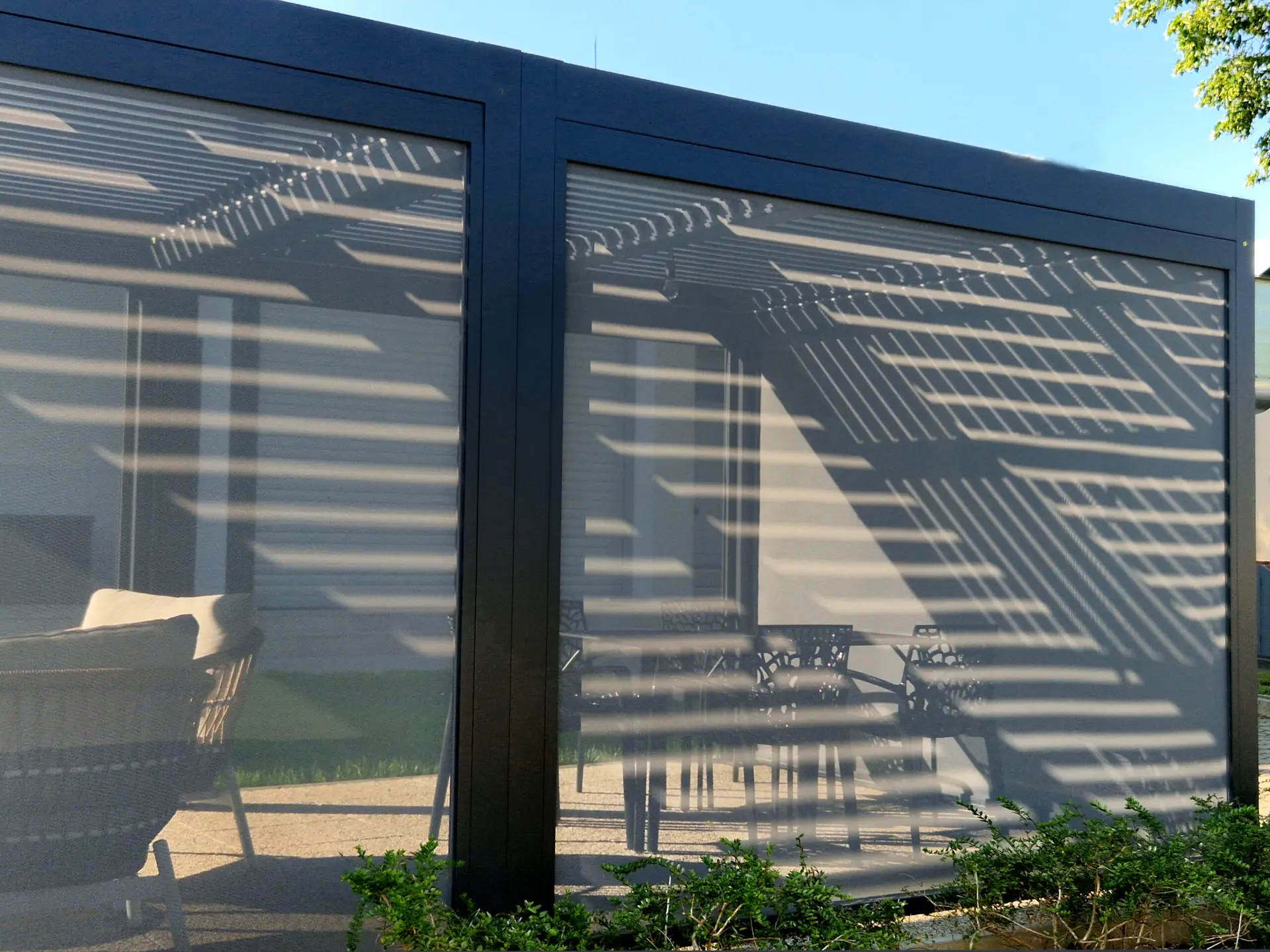
Sunlight is powerful. In the right season, it provides warmth and light. In the wrong season, it becomes a source of overheating. Outdoor living structures give homeowners control over that balance.
Shaded outdoor areas reduce heat buildup near exterior walls and windows. This lowers surface temperatures and reduces heat transfer into the home. Over time, that reduction shows up as lower cooling costs and less strain on HVAC systems.
EcoSmart Homes designs shading solutions that align with the home’s orientation and climate. The goal is not to block sunlight entirely, but to manage it intelligently so outdoor comfort and indoor efficiency support each other.
How Do Outdoor Living Spaces Extend Usable Square Footage?
One of the simplest ways to improve energy efficiency is to reduce how often interior spaces need to be conditioned. Comfortable outdoor living areas encourage people to spend more time outside during mild weather, which naturally reduces indoor energy use.
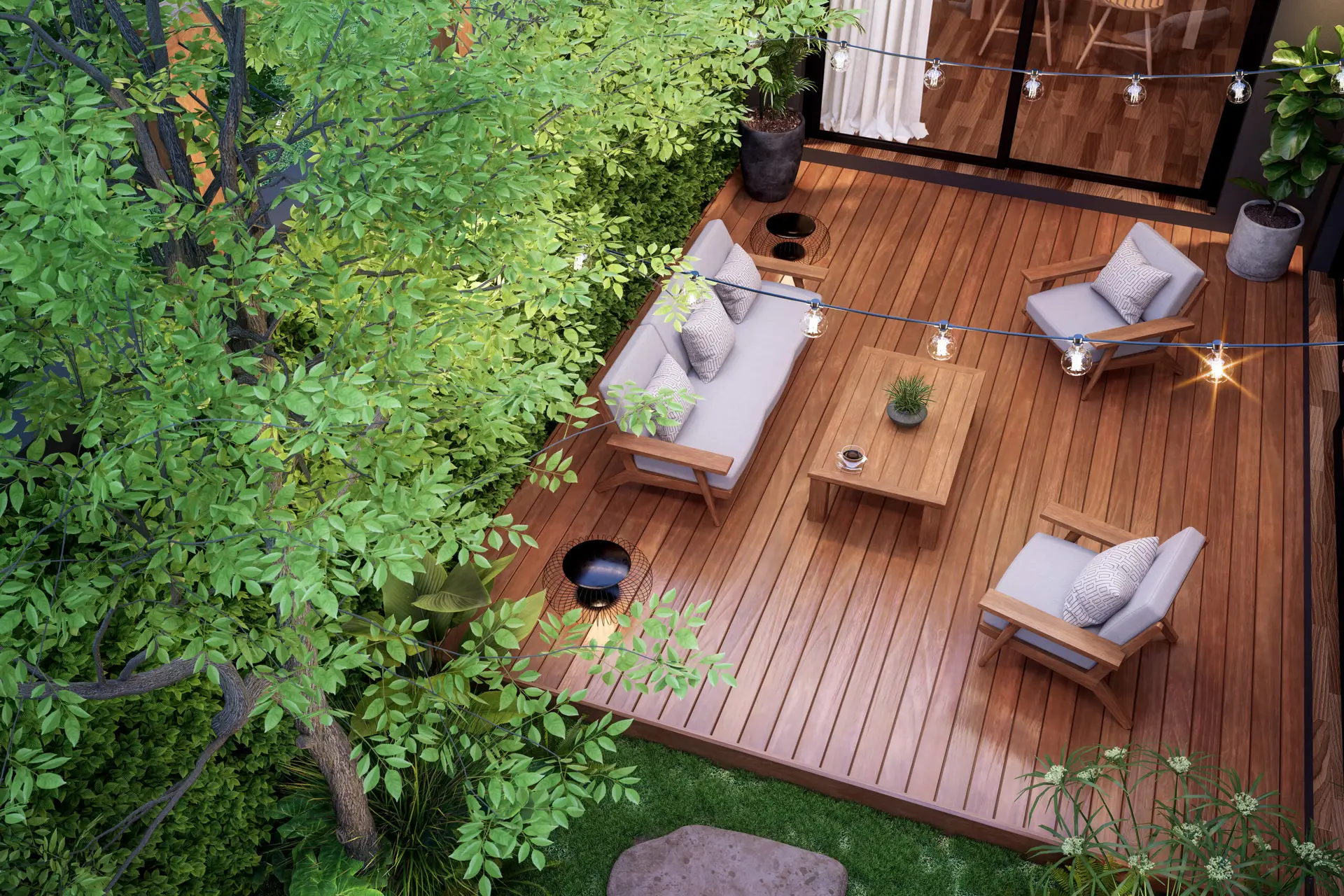
Covered patios, outdoor kitchens, and protected seating areas act as extensions of the home. When these spaces are comfortable, homeowners rely less on heating and cooling systems to maintain indoor comfort throughout the day.
EcoSmart Homes designs outdoor spaces that feel like real rooms, not afterthoughts. When outdoor living is genuinely usable, it becomes part of the daily rhythm of the home.
How Do Insulated Foundations and Hardscapes Support Outdoor Efficiency?
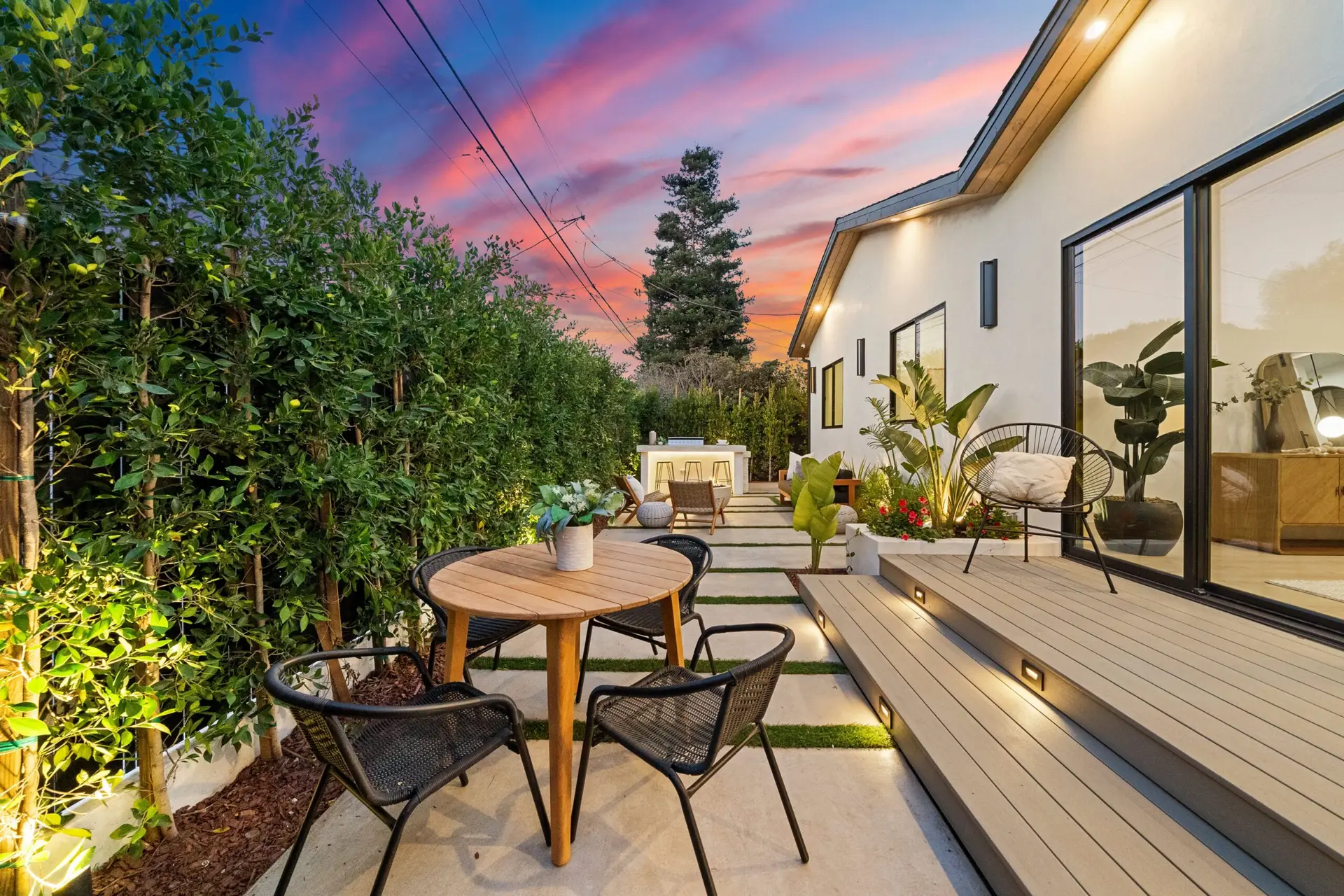
Outdoor living isn’t just about what’s above ground. Foundations, retaining walls, and hardscapes all influence thermal performance. Uninsulated concrete surfaces can absorb and radiate heat, increasing temperatures around the home.
EcoSmart Homes often integrates insulation into retaining walls, foundations, and other site structures. This reduces heat transfer between the ground and living spaces, both indoors and outdoors. Stabilizing temperatures around the home helps reduce energy swings and improves overall comfort.
By treating outdoor structures as part of the thermal system, we avoid creating hot zones or cold sinks that work against the home’s efficiency.
Can Outdoor Living Still Work in Cooler or Variable Climates?
Absolutely. Outdoor living isn’t limited to warm climates. In fact, thoughtful design makes outdoor spaces usable across a wider range of conditions.
Wind protection, strategic orientation, and partial enclosures help outdoor areas stay comfortable when temperatures drop. Fire features or radiant heating can add warmth without the energy load of conditioning the entire home.
EcoSmart Homes designs outdoor living areas that respond to local climate rather than fighting it. When outdoor spaces are comfortable for more of the year, homeowners enjoy greater flexibility while reducing indoor energy demand.

How Does Material Choice Affect Outdoor Energy Performance?
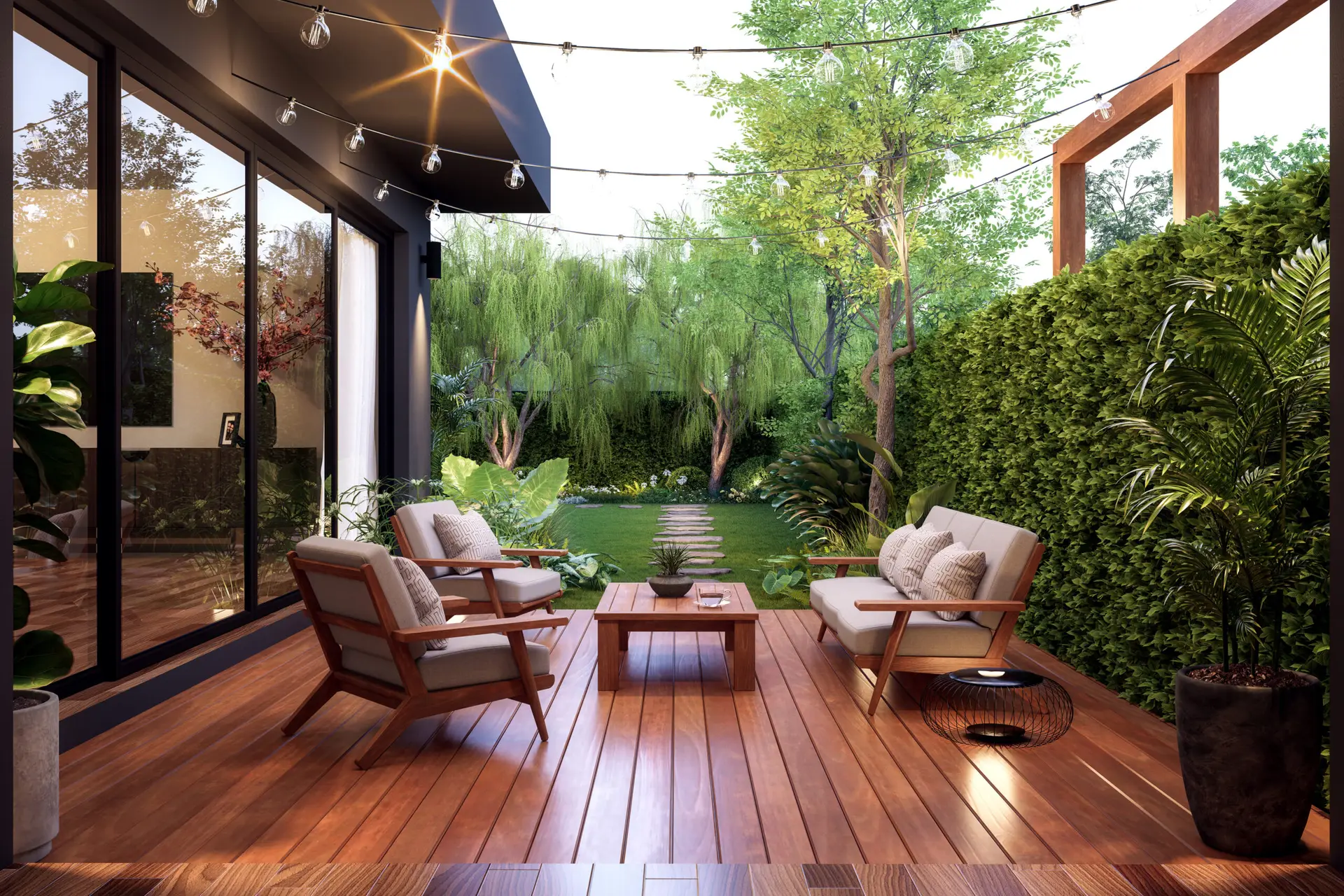
Materials matter outdoors just as much as they do inside. Some materials absorb and store heat aggressively, while others reflect it or release it quickly. Choosing the right materials can dramatically change how outdoor spaces feel.
EcoSmart Homes selects materials that balance durability with thermal behavior. Surfaces that stay cooler underfoot, walls that don’t radiate excessive heat, and finishes that resist weathering all contribute to better outdoor comfort and lower maintenance.
When materials age well and perform consistently, outdoor spaces remain inviting without constant upkeep or replacement.
Why Is Airflow Important in Outdoor Living Design?
Airflow is one of the most powerful natural comfort tools available. Well-designed outdoor spaces encourage natural breezes that cool both people and adjacent indoor areas.
EcoSmart Homes considers airflow patterns when placing outdoor living areas. Openings, orientation, and spacing all influence how air moves around the home. When breezes are guided thoughtfully, they reduce the need for mechanical cooling inside.
This kind of passive comfort strategy works quietly in the background, supporting both outdoor enjoyment and indoor efficiency.
How Do Outdoor Spaces Influence Indoor Comfort?
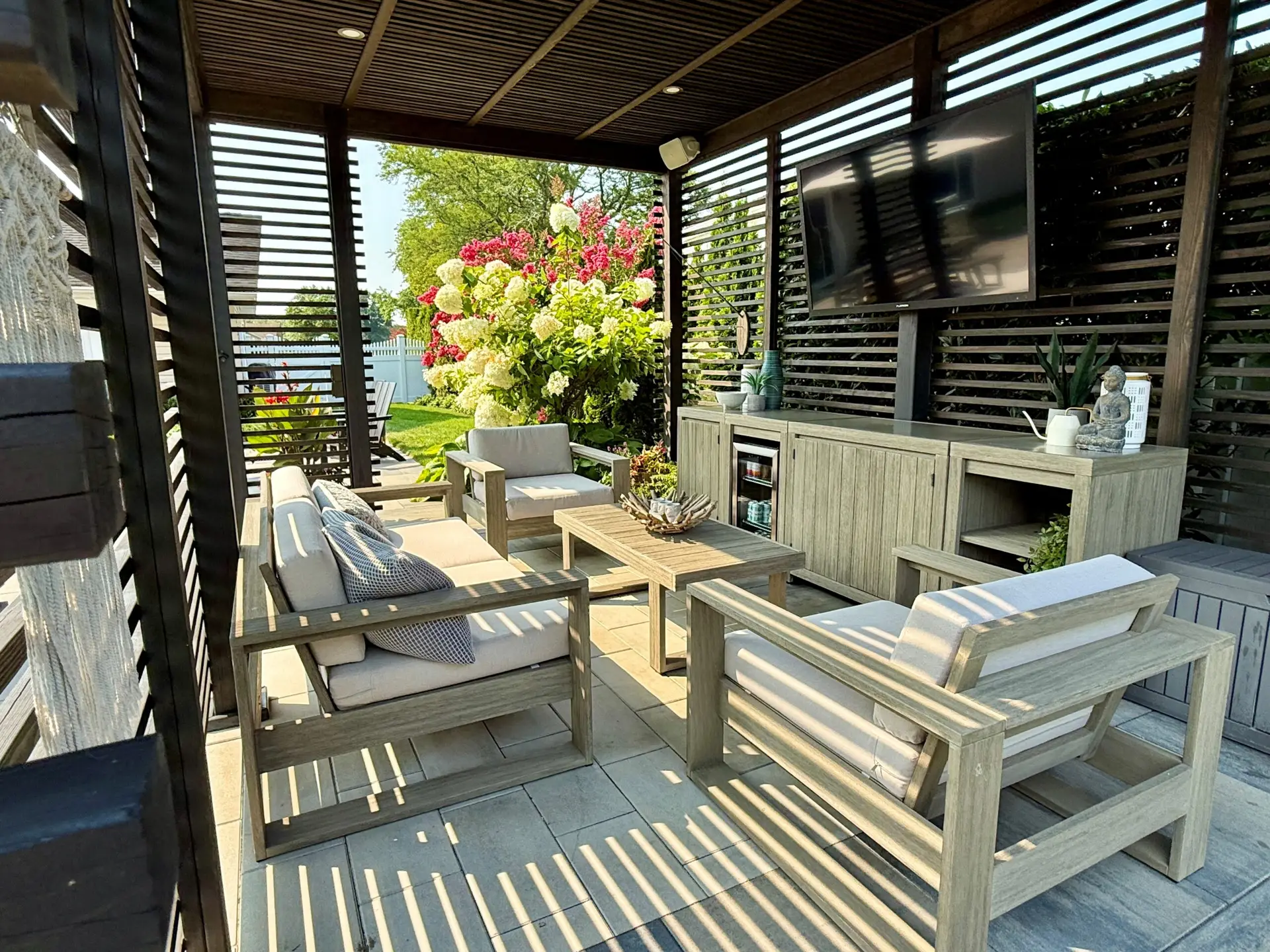
Outdoor living areas act as buffer zones between the home and the environment. Covered patios, shaded walkways, and transitional spaces reduce direct exposure to heat, wind, and rain.
These buffer zones protect exterior walls and openings, helping maintain stable interior conditions. When the building envelope is shielded from extremes, energy use drops and comfort improves.
EcoSmart Homes uses outdoor living design as a protective layer, not just an amenity. That mindset allows beauty and performance to work together.
What Should Homeowners Take Away About Outdoor Living and Efficiency?
Outdoor living and energy efficiency are not competing priorities. When designed together, they strengthen each other. Shading, airflow, material choice, and insulation all play roles in creating spaces that feel good and perform well.
EcoSmart Homes approaches outdoor living as an extension of the home’s energy strategy. By designing spaces that reduce heat gain, encourage natural comfort, and extend usable living areas, we help homeowners enjoy more of their property while using less energy.
The result is a home that feels connected to its surroundings, comfortable across seasons, and efficient without feeling restrictive. When outdoor living is designed with intention, it becomes one of the most powerful tools for smarter, more sustainable living.