
Energy-Saving Design Ideas for Modern Homes
Energy-saving design isn’t about adding gadgets after a house is finished. It’s about shaping the home so it naturally needs less energy to stay comfortable. When design decisions are made early and intentionally, efficiency becomes part of how the house works every day, not something homeowners have to manage constantly.
At EcoSmart Homes, we think of energy-saving design as invisible support. The home quietly regulates temperature, manages airflow, and protects itself from weather extremes. When that happens, comfort improves and energy bills drop without sacrificing how the home looks or feels.
How Does the Building Envelope Drive Energy Performance?
The building envelope is the line between indoors and outdoors. Walls, roofs, floors, windows, and foundations all work together to control heat, air, and moisture. When this boundary is weak or inconsistent, energy escapes and comfort suffers.
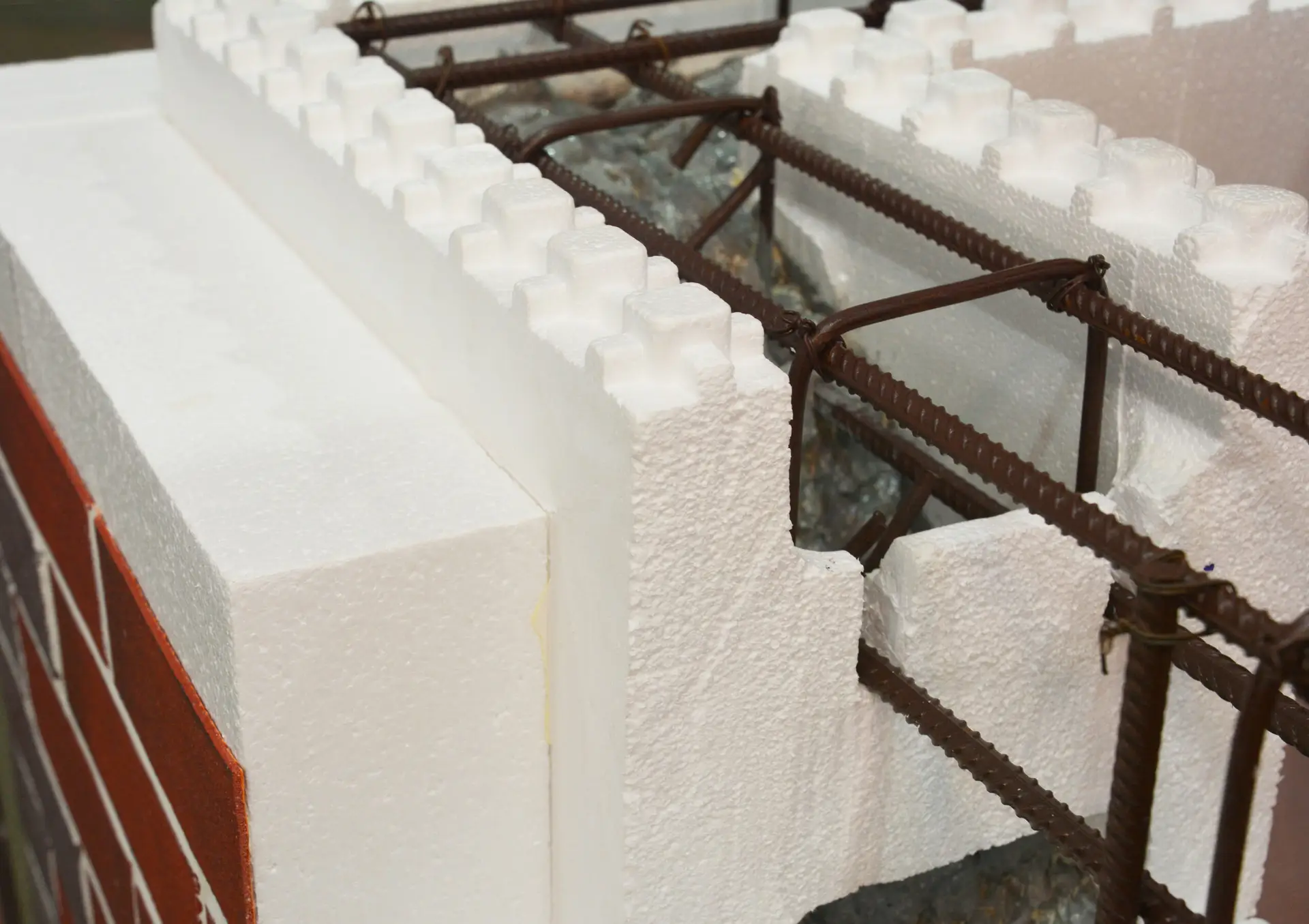
Modern energy-saving homes focus on continuous insulation and airtight construction. Instead of patching insulation between framing members, high-performance systems wrap the structure evenly. This reduces heat loss in winter and heat gain in summer.
EcoSmart Homes designs the envelope as a single system. When insulation, air sealing, and structure align, the home stays comfortable with far less effort from mechanical systems.

Why Is Airtight Construction So Important?
Air leaks are one of the biggest sources of energy loss in conventional homes. Warm air escaping in winter and hot air entering in summer force heating and cooling systems to work harder than necessary.
An airtight home doesn’t mean a sealed-off home. It means air moves where it’s intended to move. Controlled ventilation replaces random leaks, improving both efficiency and indoor air quality.
EcoSmart Homes builds airtight structures paired with intentional fresh air strategies. This balance keeps energy use low while supporting a healthy indoor environment.
Can Window Placement Really Reduce Energy Use?
Absolutely. Windows influence how much heat enters and leaves a home, often more than people realize. Orientation, size, and placement matter just as much as window quality.
Well-placed windows allow natural light without excessive heat gain. They can also support passive solar benefits when aligned with the climate and site conditions. Poorly placed windows, on the other hand, can create glare, overheating, and energy loss.
EcoSmart Homes considers the sun’s path and the home’s orientation during design. When windows are positioned intentionally, they support comfort instead of working against it.

How Do Shading and Overhangs Improve Efficiency?
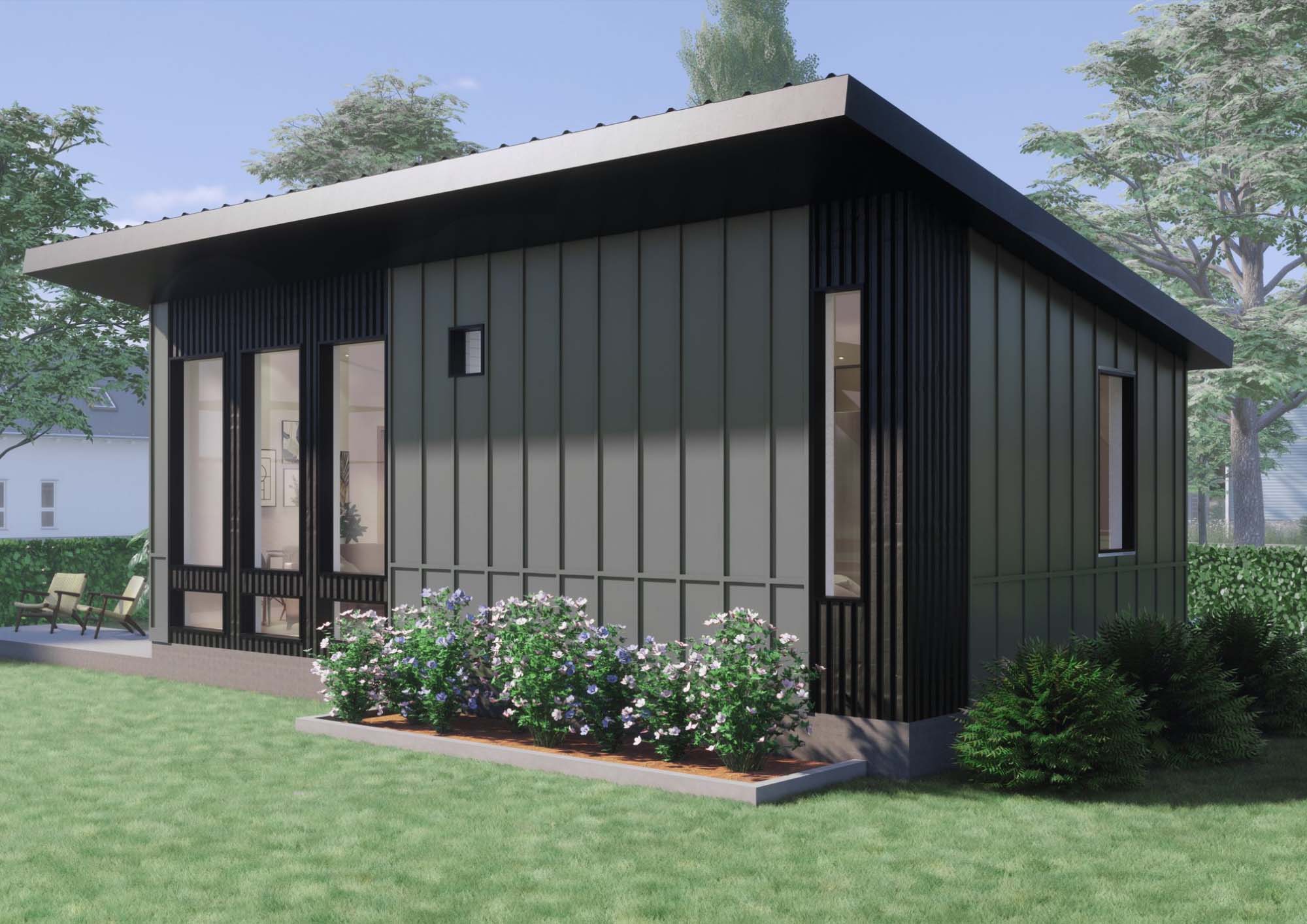
Shading is one of the simplest and most effective energy-saving design tools. Roof overhangs, covered patios, and architectural shading elements reduce direct sunlight hitting walls and windows during warmer months.
By blocking high summer sun while allowing lower winter sun to enter, shading helps regulate indoor temperatures naturally. This reduces cooling demand and improves comfort in adjacent living spaces.
EcoSmart Homes integrates shading into the architecture rather than treating it as an add-on. When shading is part of the design, it looks intentional and performs consistently.
Why Does Structure Choice Affect Energy Savings?
Structural materials influence how well insulation and air sealing perform. Materials that move, warp, or shrink over time create gaps that undermine efficiency.
EcoSmart Homes uses pre-engineered steel systems because they remain stable. Straight, consistent framing supports continuous insulation and long-lasting airtightness. When the structure doesn’t change shape, the energy-saving systems built around it keep working as intended.
Structure may be hidden behind walls, but its behavior shapes the home’s long-term performance.
How Does Foundation Design Contribute to Efficiency?
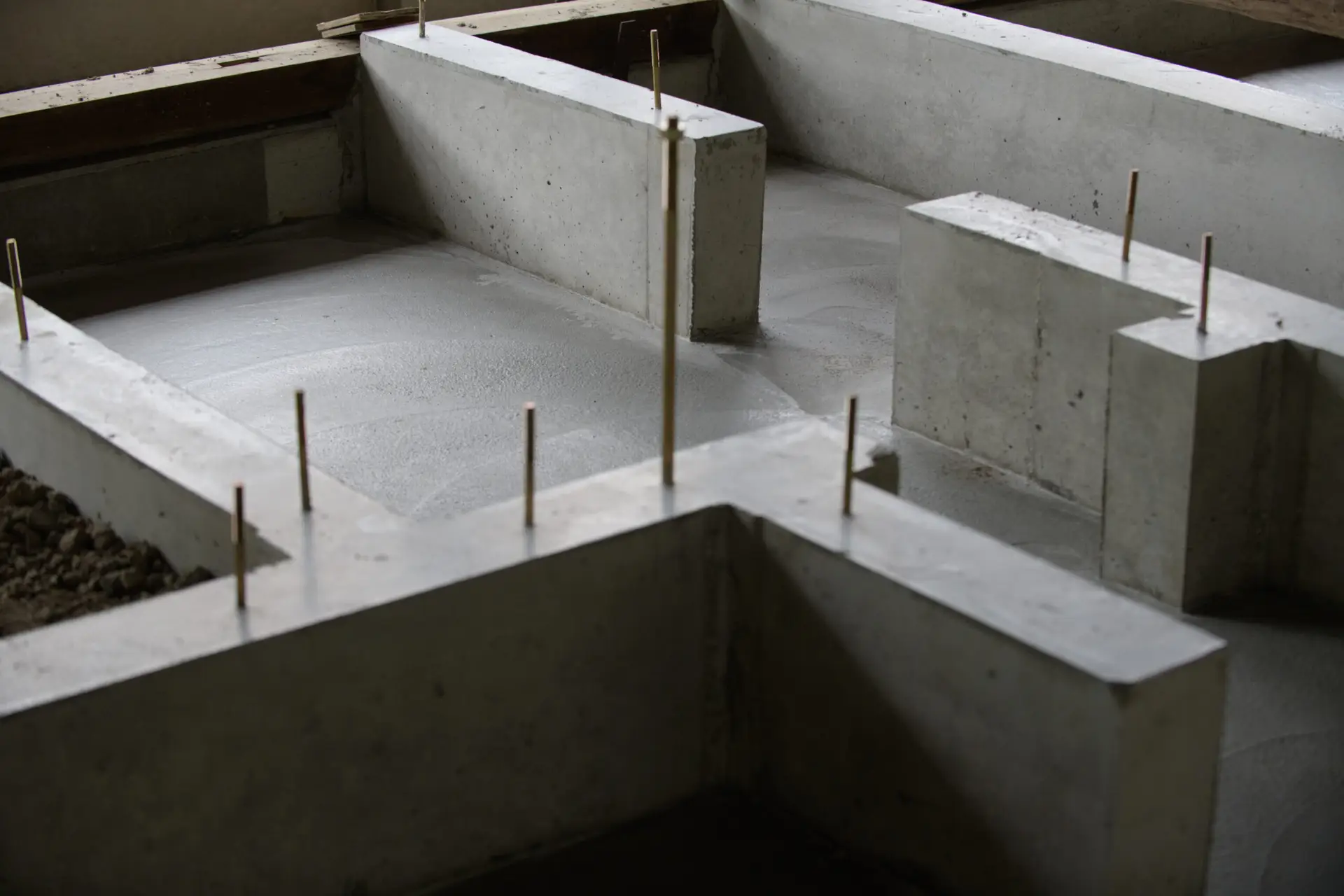
Energy loss doesn’t just happen through walls and roofs. Foundations are a major thermal connection between the home and the ground. Poorly insulated foundations allow heat to escape and cold to enter, especially in cooler climates.
Modern energy-saving design treats the foundation as part of the thermal envelope. Insulated foundations help stabilize indoor temperatures and reduce heating demand.
EcoSmart Homes often integrates insulation into foundation systems so the home feels consistent from floor to ceiling. That consistency improves comfort and lowers energy use year-round.
Can Outdoor Design Support Energy Efficiency?
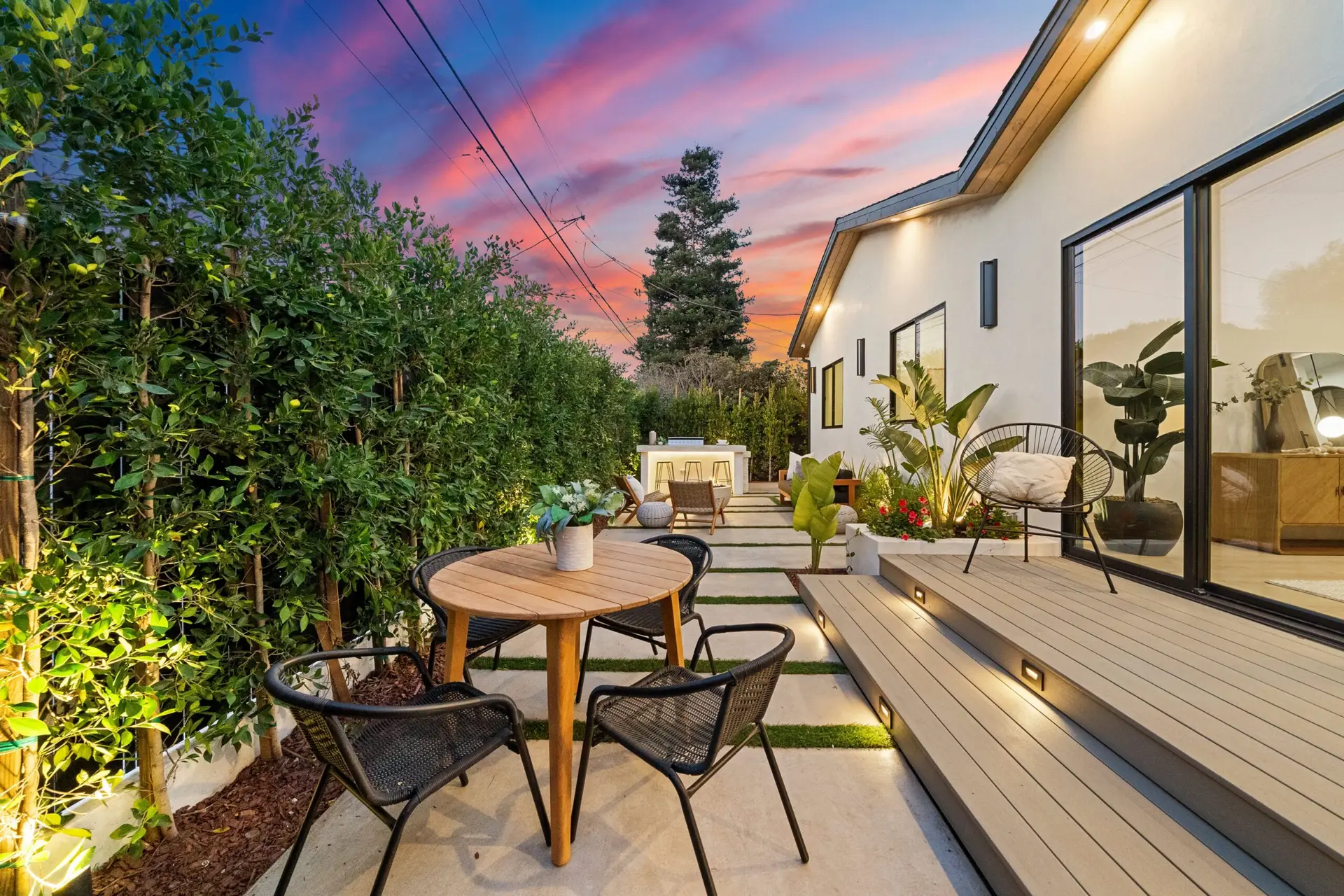
Outdoor spaces influence how a home gains and loses heat. Hardscapes, retaining walls, and landscaping all affect airflow, shading, and reflected heat.
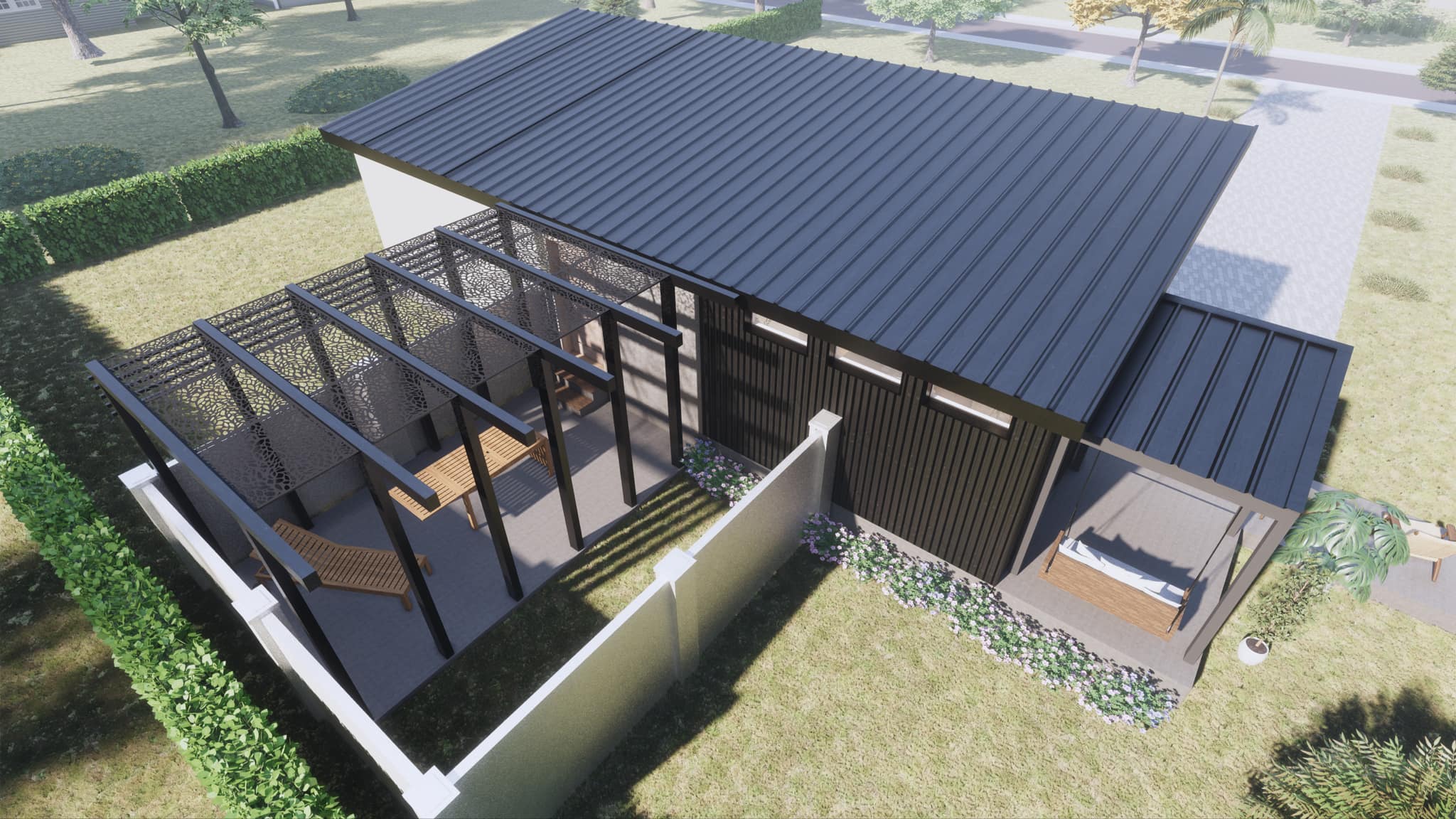
Thoughtfully designed outdoor areas create buffer zones around the home. Covered patios reduce direct sun exposure. Retaining walls can block wind or stabilize temperatures near living spaces.
EcoSmart Homes designs outdoor elements as part of the energy strategy. When the site supports the building, efficiency improves without relying on additional technology.
How Do Smaller, Smarter Layouts Save Energy?
Energy savings often start with using space more efficiently. Homes designed around how people actually live require less square footage to heat and cool.
Smart layouts reduce wasted space while maintaining comfort and usability. Shorter distances between rooms, efficient circulation, and multipurpose spaces all contribute to lower energy demand.
EcoSmart Homes focuses on right-sized design. A well-planned home feels spacious without excess and performs better as a result.
Why Is Reducing Energy Demand Better Than Adding More Equipment?
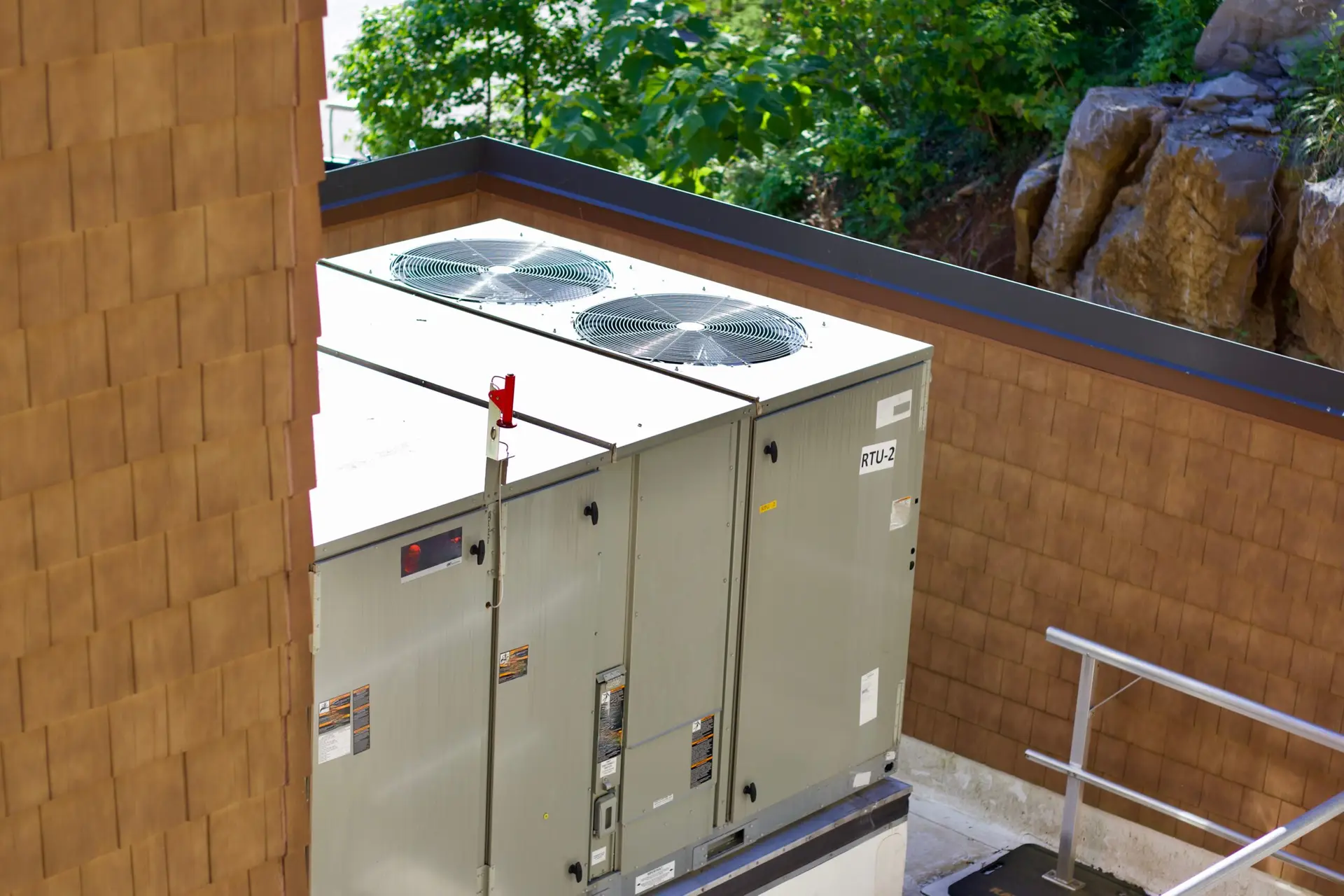
High-efficiency equipment helps, but it works best when the home itself needs less energy. Reducing demand through design lowers operating costs and extends the life of mechanical systems.
EcoSmart Homes prioritizes demand reduction first. When the building envelope performs well, heating and cooling systems can be smaller and simpler. That reduces upfront cost, maintenance, and energy use.
Technology supports good design, but it can’t replace it.
What Should Homeowners Take Away About Energy-Saving Design?
Energy-saving design isn’t a single feature or product. It’s a mindset that shapes how the home is planned, built, and experienced. The most effective strategies are often invisible, quietly supporting comfort and efficiency every day.
EcoSmart Homes builds modern homes that save energy by design, not by effort. When structure, envelope, orientation, and site work together, efficiency becomes the natural outcome.
The result is a home that feels comfortable, predictable, and easy to live in, while using far less energy over its lifetime. That’s the kind of design that continues to pay off long after construction is complete.