
Foundation Choices That Matter in Rocky or Wet Soil
Why Do Soil Conditions Matter So Much When Choosing a Foundation?
When it comes to building a home, especially in places with rocky terrain or wet soil, the foundation does more than hold everything up. It manages water, resists movement, and protects the structure from long-term stress. Many foundation problems don’t show up right away. They appear years later as cracks, uneven floors, or moisture issues that could have been avoided with better decisions at the start.
At EcoSmart Homes, we treat soil conditions as a design input, not an obstacle. Rocky ground and wet sites each bring different challenges, and pretending they can be solved with a one-size-fits-all foundation is where many projects go wrong. The right foundation choice responds to the land instead of fighting it.
What Makes Rocky Soil a Challenge for Traditional Foundations?
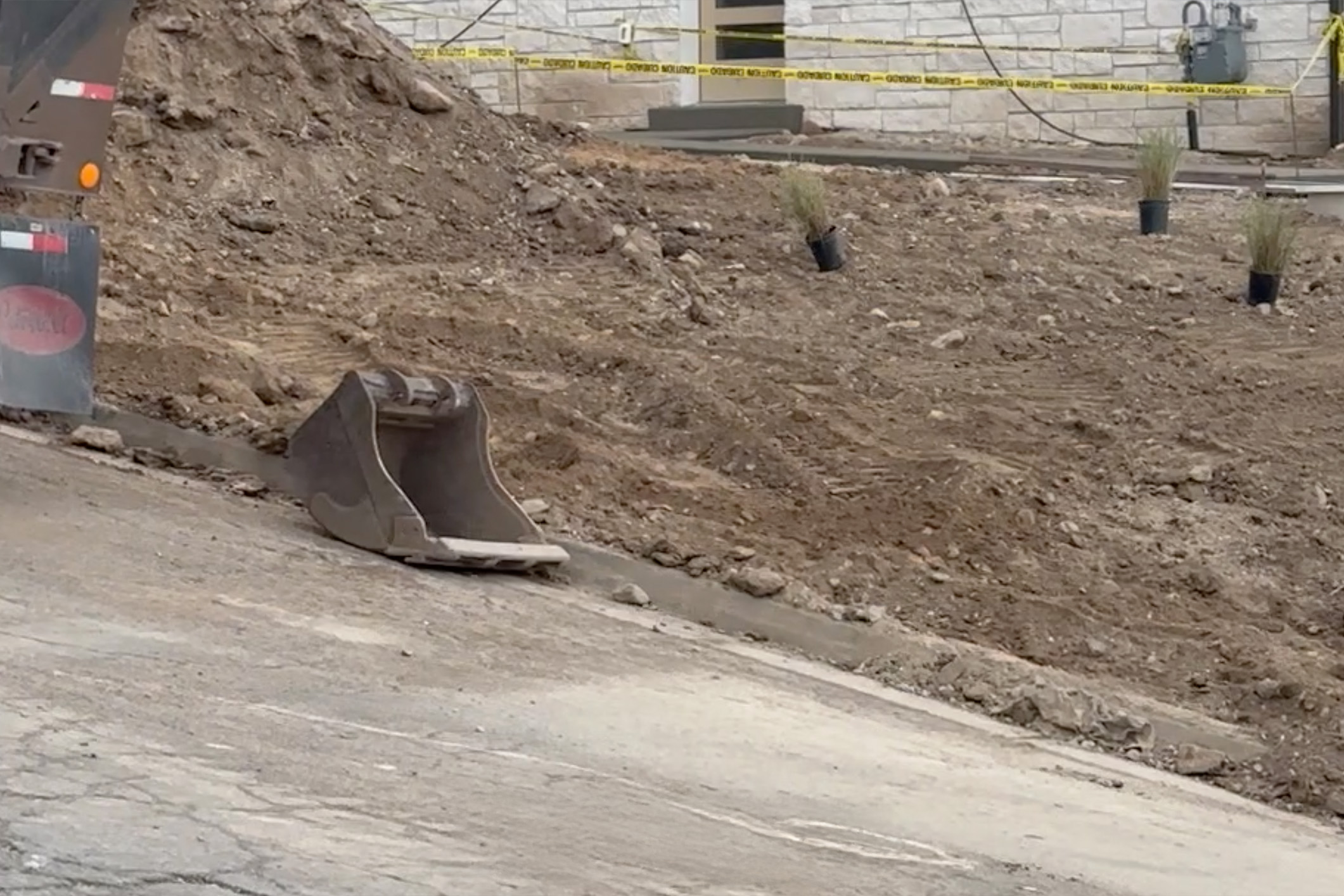
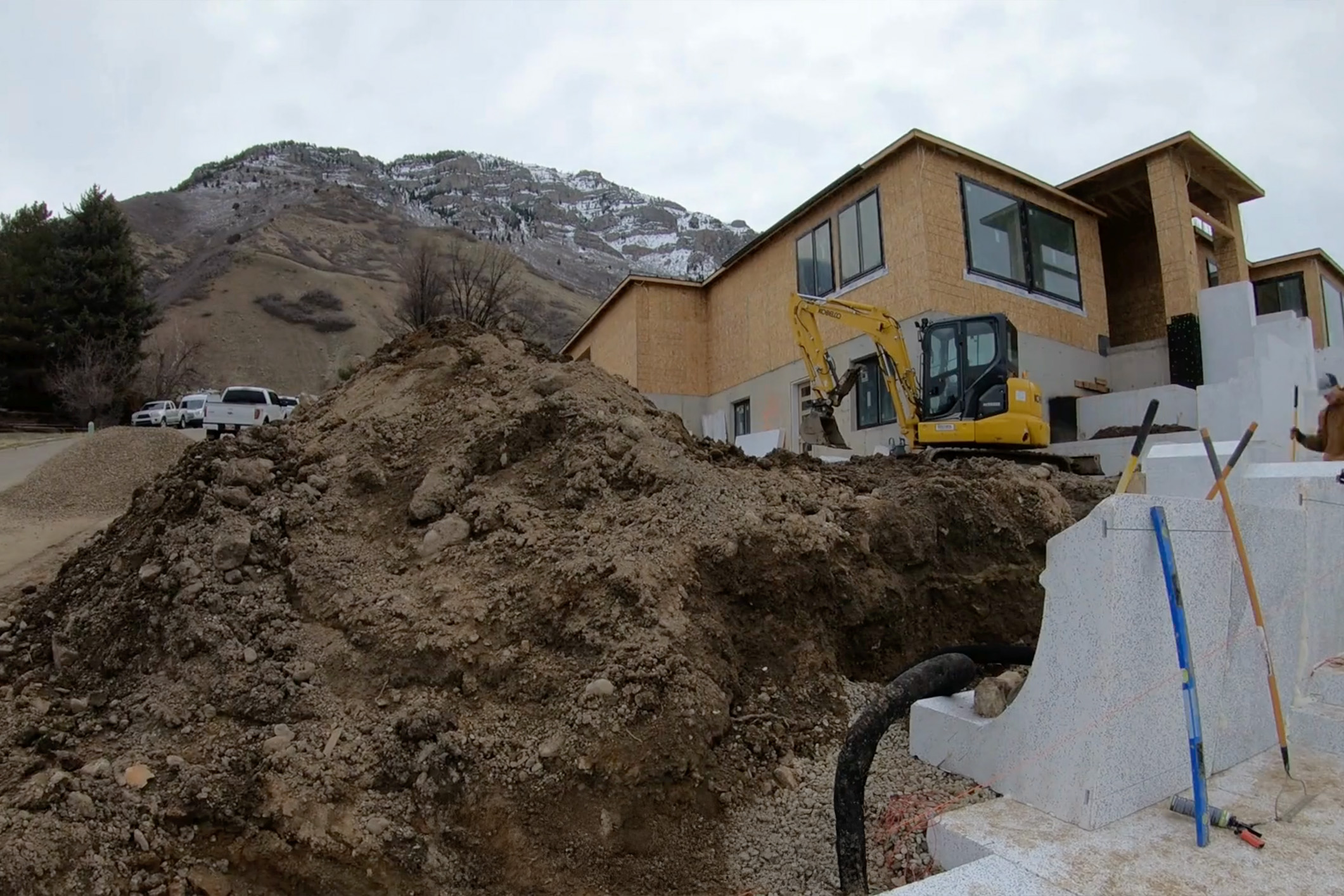
Rocky soil can feel reassuring at first. It seems solid and immovable, but that same hardness can create complications. Excavation becomes more complex and expensive, and uneven rock surfaces make it difficult to achieve uniform support for traditional poured concrete foundations.
When footings rest unevenly on rock, stress concentrates in specific areas. Over time, that stress can lead to cracking or shifting. Blasting or over-excavation to “flatten” the site often introduces cost, delay, and unnecessary disruption.
EcoSmart Homes often looks for foundation systems that can bridge irregular rock conditions rather than trying to reshape the land entirely. By working with engineered systems that distribute loads evenly, we reduce stress points and create a more stable base for the home.
Why Is Wet Soil a Bigger Problem Than It Looks?
Wet soil introduces challenges that are less visible but more persistent. Water-saturated ground changes volume, drains slowly, and transfers moisture toward foundations. Over time, this moisture creates pressure against walls and slabs, increasing the risk of cracking, seepage, and interior humidity issues.
Many foundation failures in wet soil aren’t caused by poor concrete. They’re caused by water being allowed to linger where it doesn’t belong. Once moisture becomes part of the foundation system, it affects everything above it.
EcoSmart Homes designs foundations to control water movement, not just resist it. That means thinking about drainage, insulation, and soil behavior together instead of treating them as separate concerns.
How Do Insulated Shallow Foundations Perform in Rocky or Wet Conditions?
Insulated shallow foundations are often an excellent choice in both rocky and wet soil environments. Instead of relying on deep excavation, these foundations use continuous insulation and engineered footings to protect against frost, temperature swings, and moisture movement.
In rocky soil, insulated shallow foundations reduce the need for extensive excavation while still providing consistent support. In wet soil, the insulation helps stabilize temperatures around the foundation, reducing freeze-related movement and limiting condensation risks.
EcoSmart Homes uses insulated foundation systems that combine structural performance with thermal protection. This approach supports energy efficiency while also improving durability in challenging ground conditions.
Why Does Drainage Design Matter More Than Foundation Depth?
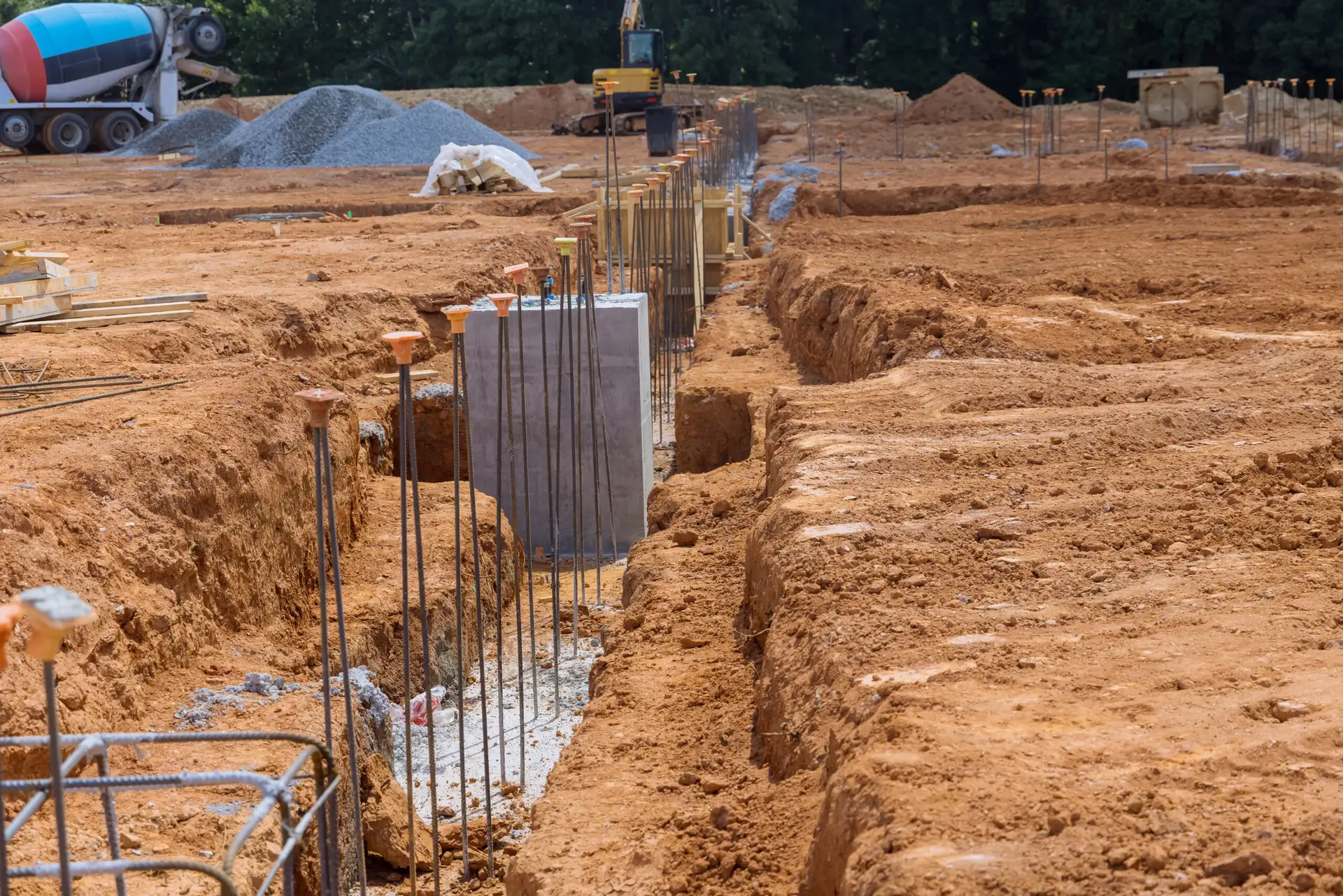
It’s easy to assume that deeper foundations are always safer. In reality, depth alone doesn’t solve water problems. Without proper drainage, even deep foundations can become collection points for moisture.
Effective drainage directs water away from the structure before it builds pressure. This includes thoughtful grading, perimeter drainage systems, and foundation assemblies that don’t trap moisture against structural elements.
EcoSmart Homes treats drainage as a core foundation feature, not a secondary add-on. When water moves away from the building naturally, the foundation stays drier, more stable, and far less prone to long-term issues.
How Do Foundation Materials Influence Performance in Tough Soil?
Material choice matters just as much as foundation type. Traditional concrete alone doesn’t address moisture movement or thermal stress. When concrete is paired with high-performance insulation and stable structural systems, its performance improves significantly.
EcoSmart Homes uses foundation assemblies that limit thermal bridging, resist moisture intrusion, and reduce expansion and contraction caused by temperature changes. These choices help foundations hold their shape and integrity even when soil conditions are less than ideal.
By reducing stress on the foundation, we also reduce stress on the rest of the home. Walls stay aligned, finishes last longer, and maintenance demands drop.
Can Foundations in Wet or Rocky Soil Still Be Energy Efficient?
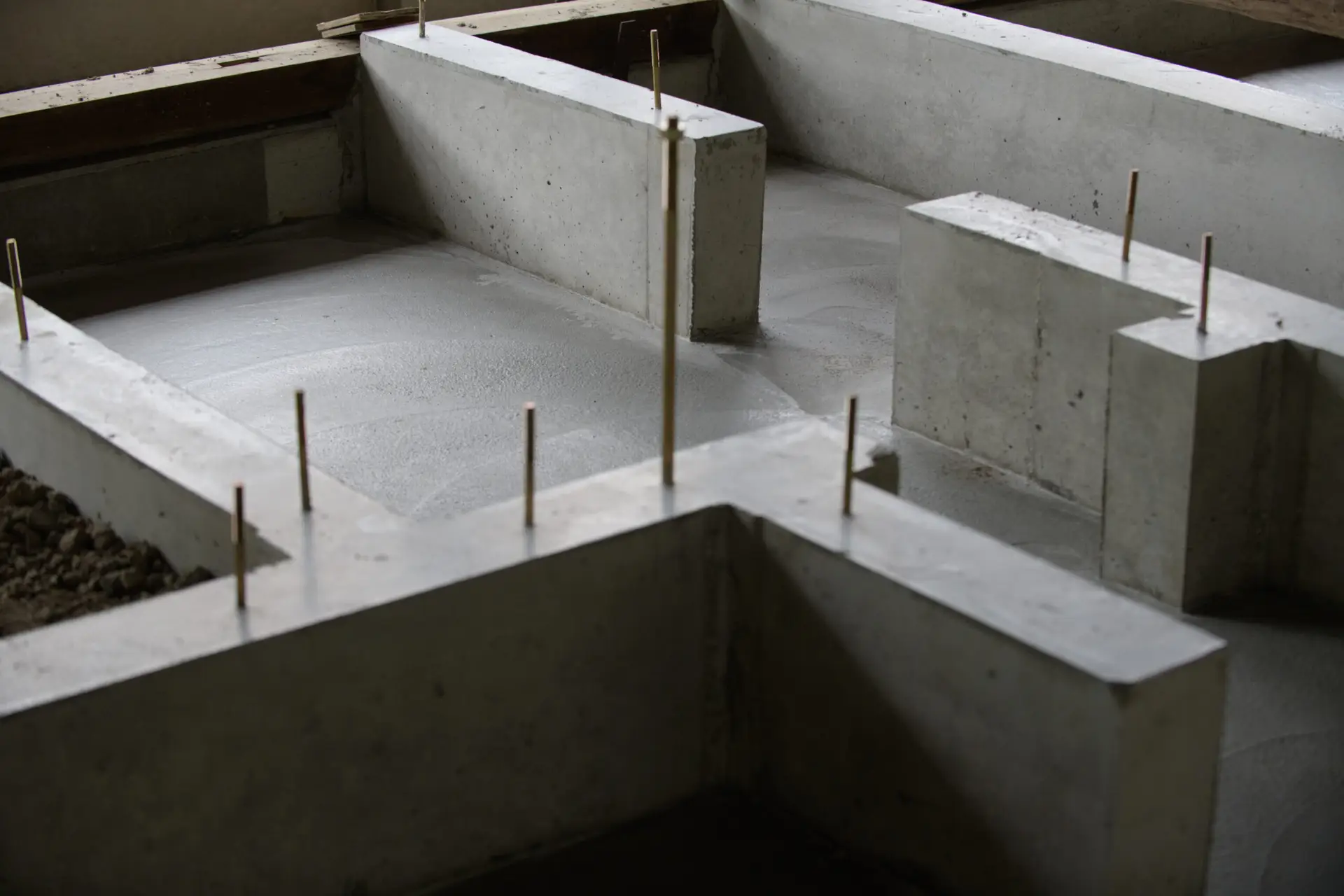
Absolutely. In fact, these conditions often make energy-conscious foundation design even more important. Cold, wet soil draws heat away from buildings quickly. Without insulation, energy loss through the foundation can be substantial.
EcoSmart Homes integrates insulation directly into foundation systems so energy efficiency is built in, not layered on later. This keeps interior temperatures more stable and reduces heating and cooling loads throughout the year.
Energy efficiency and durability are closely linked. When foundations stay warmer and drier, they perform better structurally and thermally at the same time.
How Do Foundation Choices Affect Long-Term Maintenance?
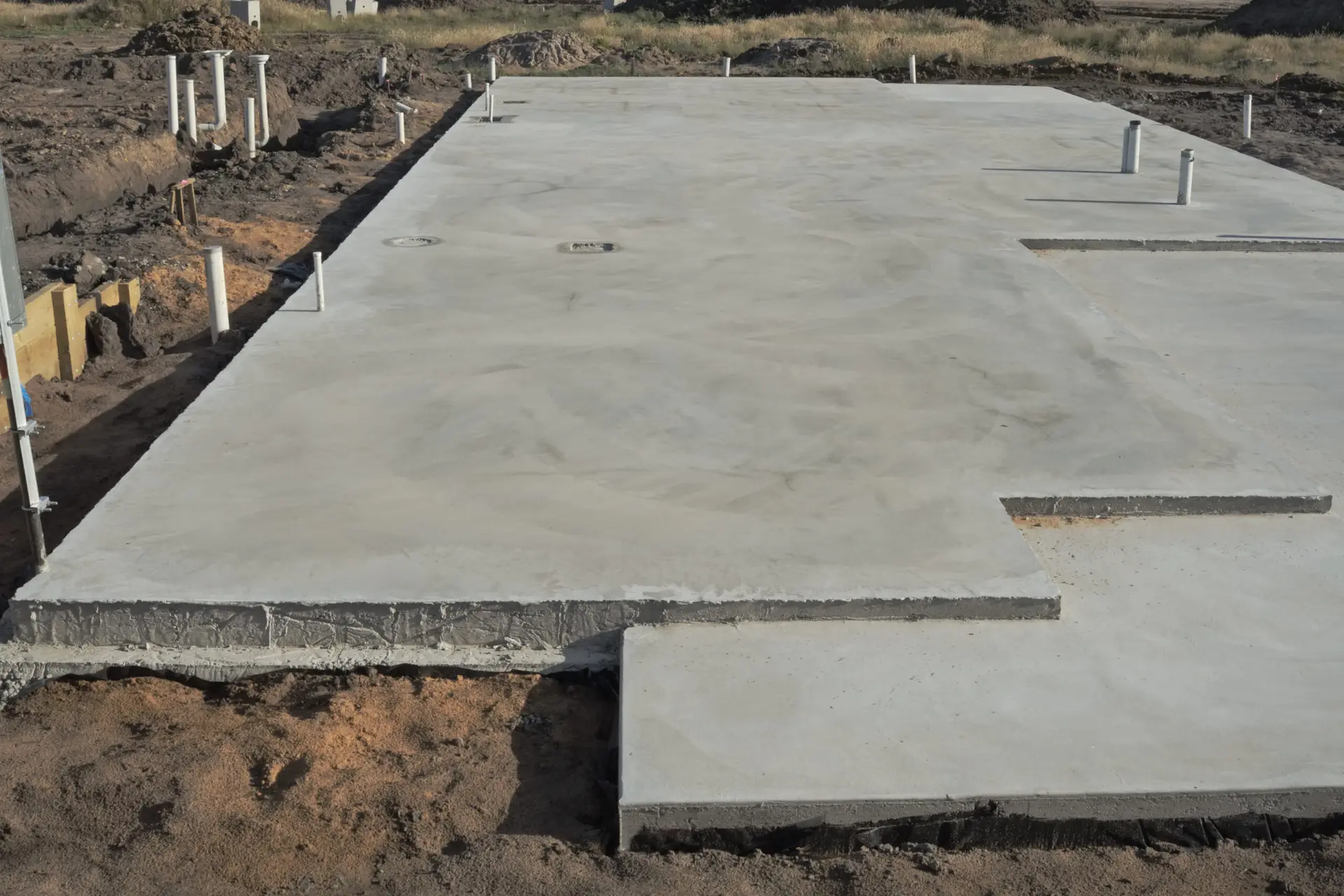
Foundations that don’t account for soil conditions often require attention down the road. Cracks need monitoring. Moisture issues demand ongoing mitigation. Floors may need leveling or repair.
By choosing foundation systems that respond to rocky or wet soil from the beginning, EcoSmart Homes helps homeowners avoid these recurring problems. A stable, well-insulated, well-drained foundation reduces the kinds of issues that lead to costly repairs years later.
Low maintenance doesn’t happen by accident. It’s designed into the foundation.
What Should Homeowners Take Away About Building on Difficult Soil?
Rocky and wet soils aren’t deal-breakers. They’re design challenges that call for thoughtful solutions. The most important decision isn’t forcing the land to behave differently, but choosing a foundation system that respects how the soil naturally works.
EcoSmart Homes approaches foundation design with a long-term mindset. By combining structural engineering, insulation, and moisture control, we create foundations that support comfort, efficiency, and durability no matter what the ground conditions look like.
When foundation choices are made with clarity and care, the rest of the home benefits. That’s when building on difficult soil stops being a risk and starts becoming an opportunity to build smarter from the ground up.