
How Our Homes Withstood
the 2023 Fire Season
When the 2023 fire season swept through our region, it left behind a trail of heartbreak. Entire neighborhoods were reduced to ash. Families were displaced. The air carried that unmistakable scent of smoke for weeks. It was a sobering reminder that building a home in today’s climate requires more than good design—it demands foresight, discipline, and a refusal to cut corners. And in the middle of it all, our EcoSmart homes stood.
This wasn’t luck. It wasn’t chance. It was the result of intentional building practices, fire-resistant materials, and a commitment to doing things the right way—long before headlines forced the conversation.
At EcoSmart Homes, we have always believed that a home should be more than beautiful. It should protect what matters most. During the 2023 fire season, that belief was tested. And it held.
Built for Real-World Conditions, Not Just Curb Appeal
There’s a difference between building for aesthetics and building for endurance. Many homes are constructed with cost and speed as the primary drivers. We understand budgets matter. We also understand that when extreme weather hits, construction quality becomes very real, very fast.
Our homes are designed with fire-resistant materials, thoughtful site planning, and structural systems that reduce vulnerability. From non-combustible siding options to advanced roofing systems and ember-resistant venting, every layer plays a role.
Wildfires don’t need an open door. They need a spark and a weakness. We work hard to eliminate both.
The 2023 fires tested roofing assemblies, exterior cladding, defensible space planning, and structural integrity. Homeowners in EcoSmart properties reported something powerful: while surrounding areas experienced devastating loss, their homes held strong.
That outcome wasn’t accidental. It was engineered.

Smarter Materials. Stronger Outcomes.
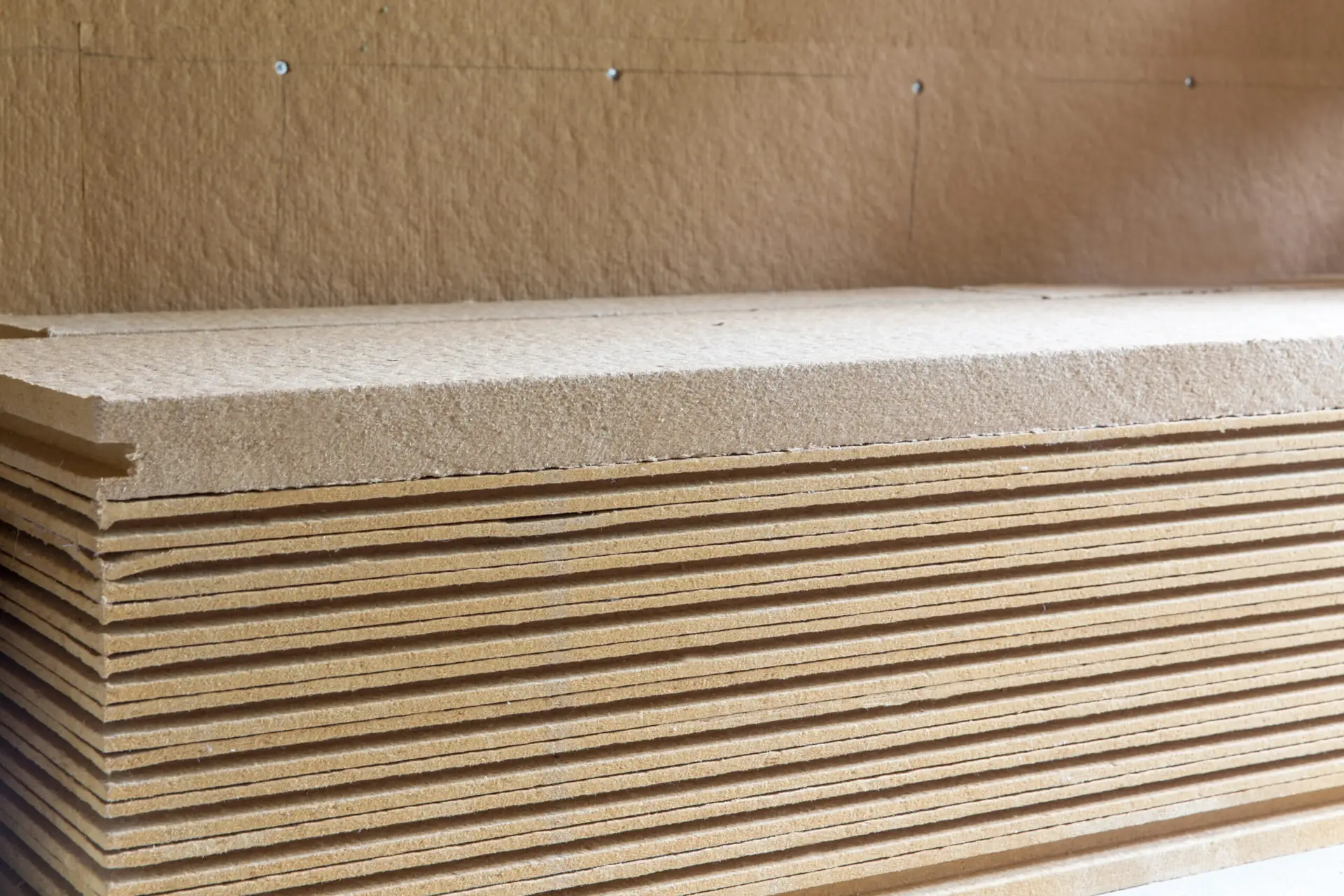
Fire resilience begins with materials. Many traditional homes rely heavily on combustible components that perform poorly under extreme heat exposure. At EcoSmart Homes, we prioritize products that resist ignition and reduce fire spread.
Our exterior systems are selected with performance in mind. Roofing materials are chosen for their high fire ratings. Wall assemblies are constructed to reduce heat transfer. Windows are built to withstand temperature shifts and flying embers.
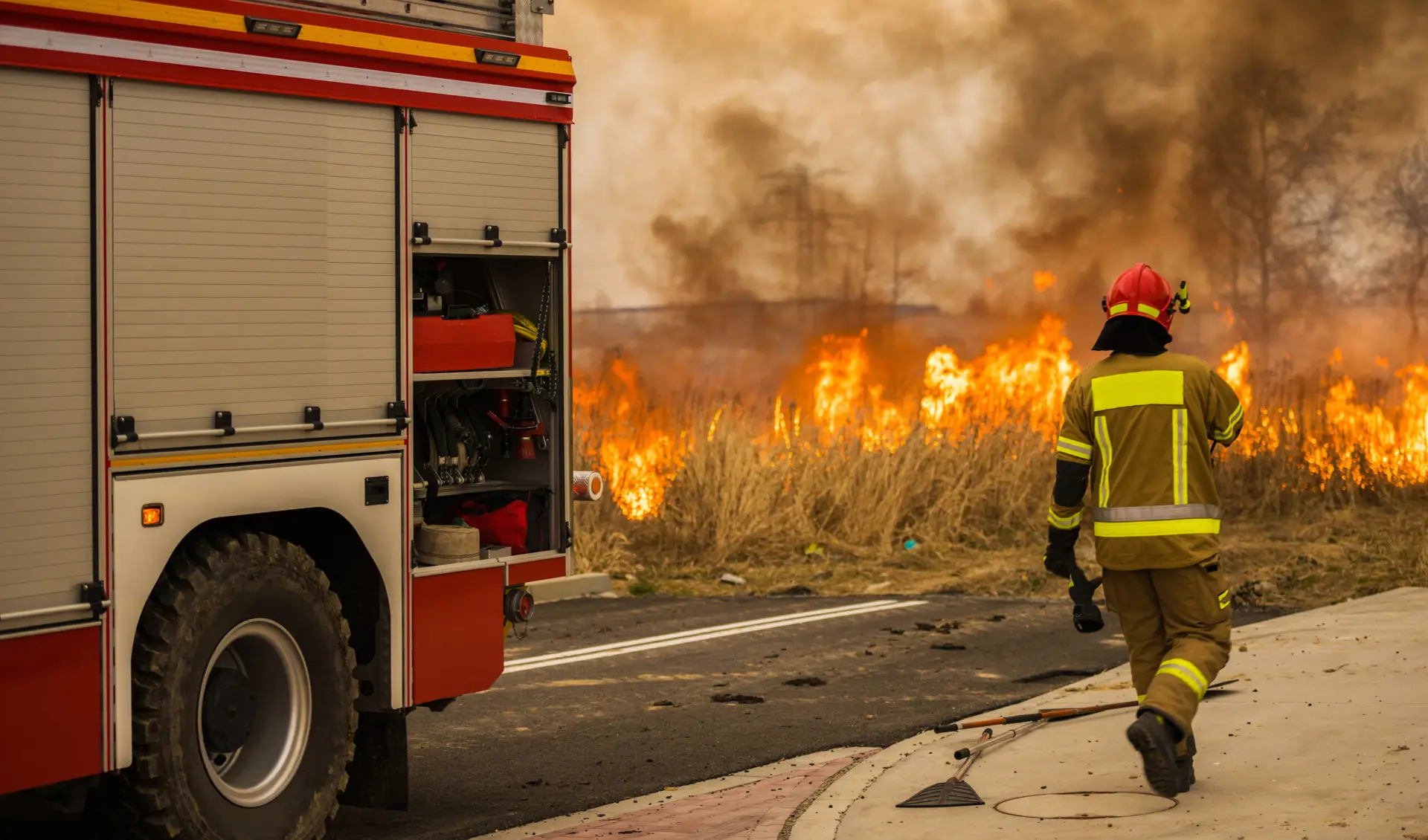
During the 2023 fire season, embers were one of the biggest threats. Studies show that embers—not towering flames—are responsible for the majority of home ignitions during wildfires. That’s why we pay attention to sealing gaps, screening vents, and designing rooflines that don’t trap debris.
Small decisions create big protection.
Defensible Space Isn’t Optional
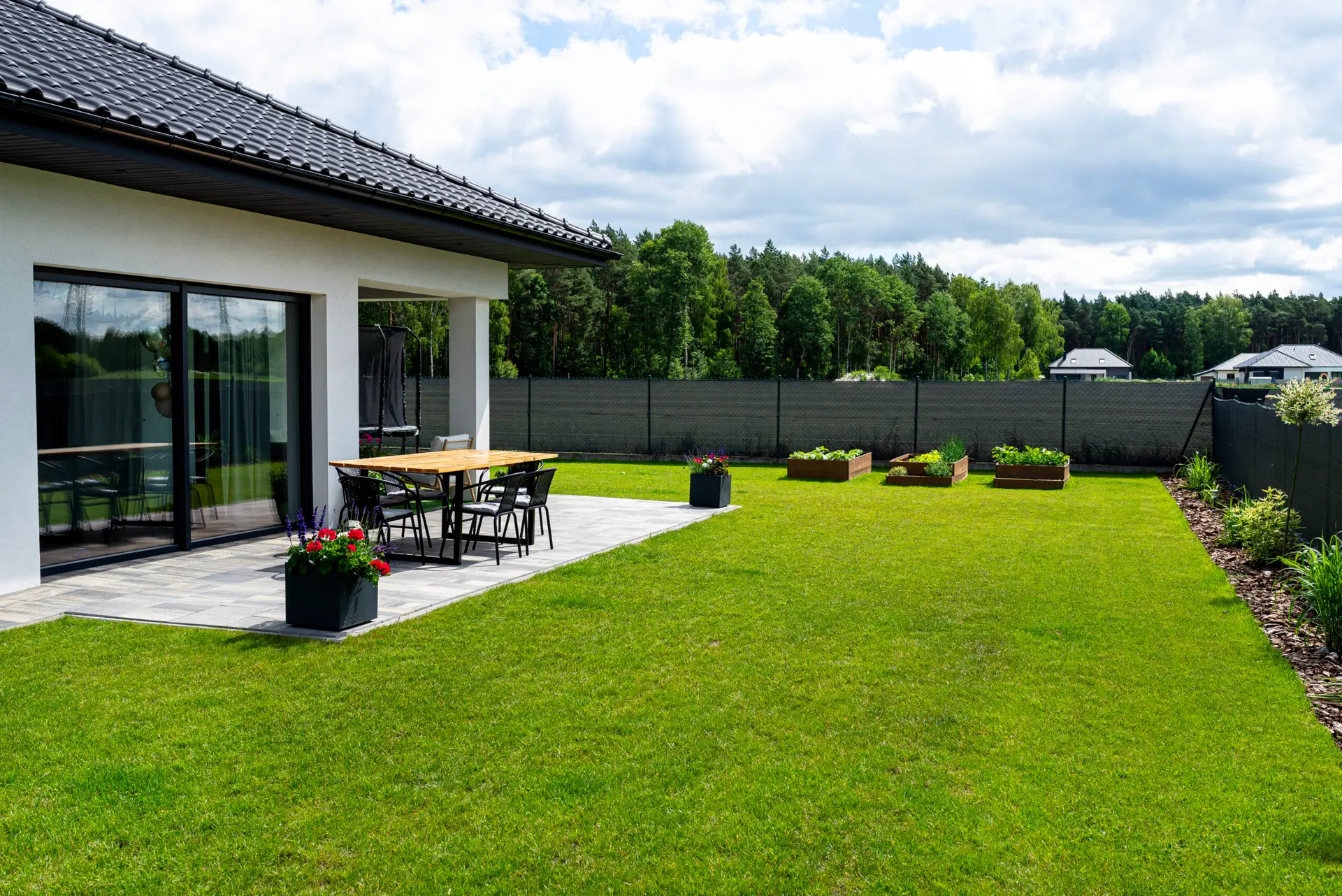
A well-built home still needs a smart perimeter. Landscaping plays a critical role in fire resistance. We guide homeowners in creating defensible space—clear zones around the home that reduce fuel sources and slow fire spread.
This includes thoughtful plant selection, proper spacing, and hardscape integration. Gravel borders, stone pathways, and low-combustion plant varieties all contribute to a safer environment.
During the 2023 season, properties with intentional defensible space dramatically reduced their exposure risk. Fire crews were able to defend homes more effectively because the groundwork had already been laid.
Preparation invites protection.
Energy Efficiency and Fire Resilience
Go Hand in Hand
Some assume that building an energy-efficient home is separate from building a fire-resistant home. In reality, they work together. EcoSmart Homes are constructed with advanced insulation systems and tight building envelopes. These features not only improve energy performance and reduce utility costs—they also limit the pathways through which smoke and embers can enter.
A well-sealed home is a stronger home. High-performance windows, insulated doors, and controlled ventilation systems provide comfort year-round while also enhancing resilience during extreme events. During the 2023 fires, homeowners appreciated not only structural durability but also the improved indoor air protection when smoke filled the region.
Efficiency and safety are not competing priorities. They are aligned.
A Commitment to Long-Term Thinking
It’s easy to build for today. It takes discipline to build for decades.
The 2023 fire season was a wake-up call for many homeowners and builders alike. Climate patterns are shifting. Fire seasons are growing longer and more intense. The question is no longer if communities will face wildfire risk—but when.
At EcoSmart Homes, we build with that reality in mind.
We believe responsible construction means thinking beyond trends and short-term savings. It means selecting systems that perform under stress. It means designing homes that protect families, preserve investments, and reduce environmental impact.
When we say we build smarter homes, this is what we mean.

Peace of Mind Is Part of the Design
After the fires subsided, one homeowner shared something that stayed with us. They said, “For the first time during a wildfire warning, I didn’t feel helpless. I knew our home was built differently.”
That’s the goal.
No builder can promise that a home will never face danger. But we can commit to reducing risk wherever possible. We can design intentionally. We can choose materials wisely. We can prepare homeowners with the knowledge to maintain and protect their property.
The 2023 fire season proved that preparation matters. Quality matters. Details matter.
And families matter most of all.
If you’re exploring fire-resistant home construction, energy-efficient building practices, or resilient home design strategies, we’re ready to have that conversation. Because building a home should be an act of protection, not just presentation.
EcoSmart Homes didn’t withstand the 2023 fire season by accident. We did it by design.
And we will continue building that way.