
How to Cut Construction Waste by 90% Without Cutting Corners
Why Is Construction Waste Such a Big Problem in Traditional Building?
Most construction waste isn’t caused by carelessness. It’s caused by outdated building methods. Traditional homes are typically built piece by piece on site, which means materials are constantly being cut, adjusted, re-cut, and sometimes discarded entirely. Lumber off-cuts, damaged materials, excess packaging, and over-ordered supplies quickly add up.
By the time a conventional home is finished, dumpsters are often filled with materials that were paid for but never used. That waste represents lost money, unnecessary environmental impact, and inefficiency baked into the process.
Can Construction Waste Really Be Reduced Without Sacrificing Quality?
Yes—and this is where modern building systems change everything. Cutting construction waste doesn’t require using cheaper materials or skipping steps. It requires building smarter from the start.
ECO Smart Homes reduces construction waste by up to 90% by shifting away from on-site fabrication and toward pre-engineered building systems. When components are designed, measured, and manufactured in advance, there’s far less guesswork and far fewer mistakes. Materials are used intentionally instead of reactively, which dramatically reduces what ends up in the trash.

How Does Pre-Engineering Help Eliminate Waste?
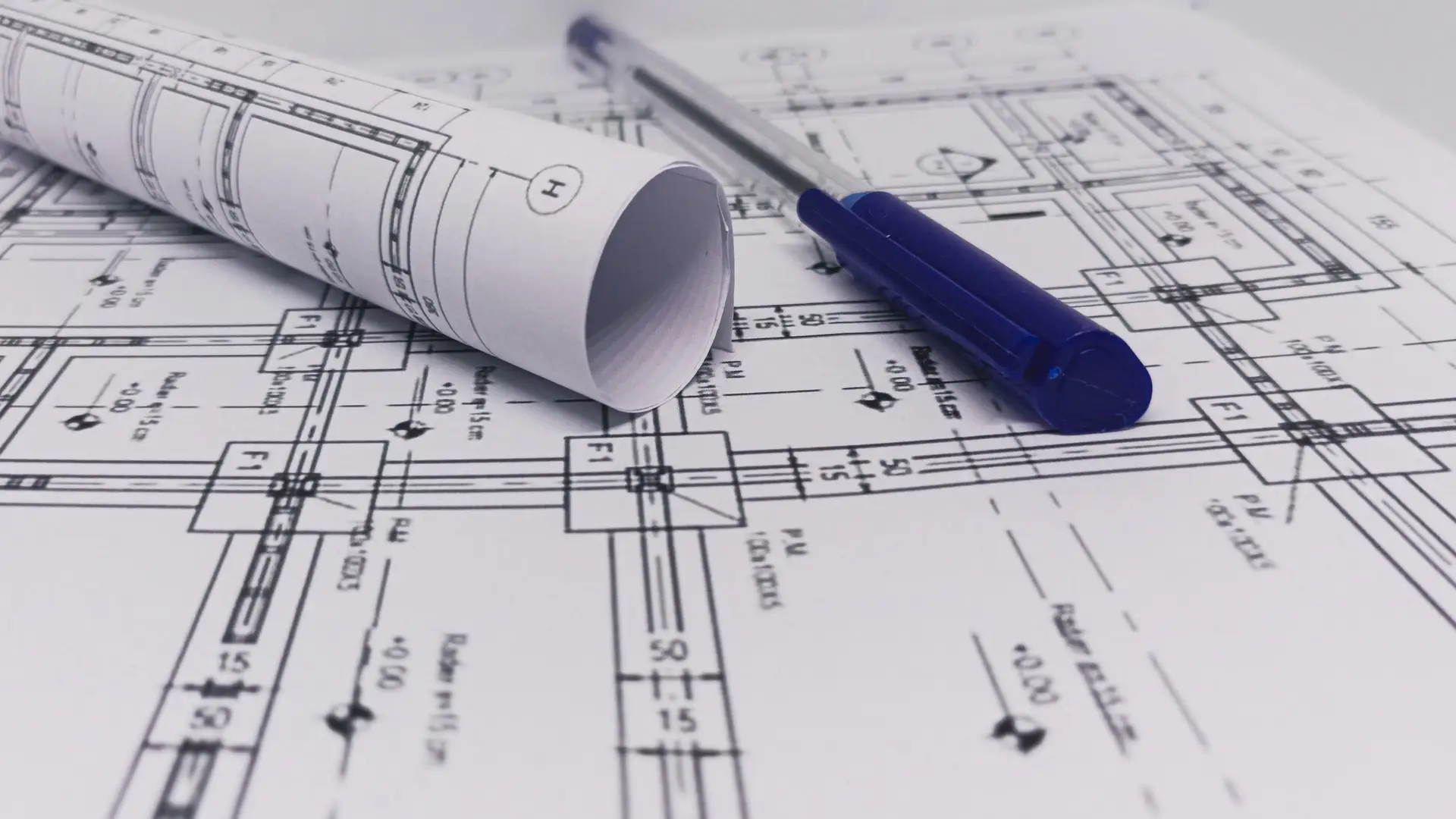
Pre-engineering means the home is designed as a complete system before construction begins. Wall panels, roof assemblies, and structural components are created to exact specifications rather than adjusted in the field.
This approach eliminates the trial-and-error cutting that generates most construction debris. It also reduces the need to over-order materials “just in case.” When everything is planned upfront, builders know exactly what’s needed—and nothing more.
For homeowners, this means less waste, faster timelines, and a more predictable build process.
Why Does Off-Site Fabrication Matter So Much?
Building in a controlled environment is one of the most effective ways to reduce waste. In a factory or manufacturing setting, materials are protected from weather, cuts are precise, and leftover material can be reused or recycled efficiently.
On a traditional job site, scraps often can’t be reused and end up contaminated or damaged. Off-site fabrication allows ECO Smart Homes to maximize material efficiency while maintaining consistent quality across every component. What doesn’t get used for one project can often be repurposed for the next—something that’s nearly impossible on a typical construction site.
What Makes the ECO Smart Homes System Low-Waste by Design?
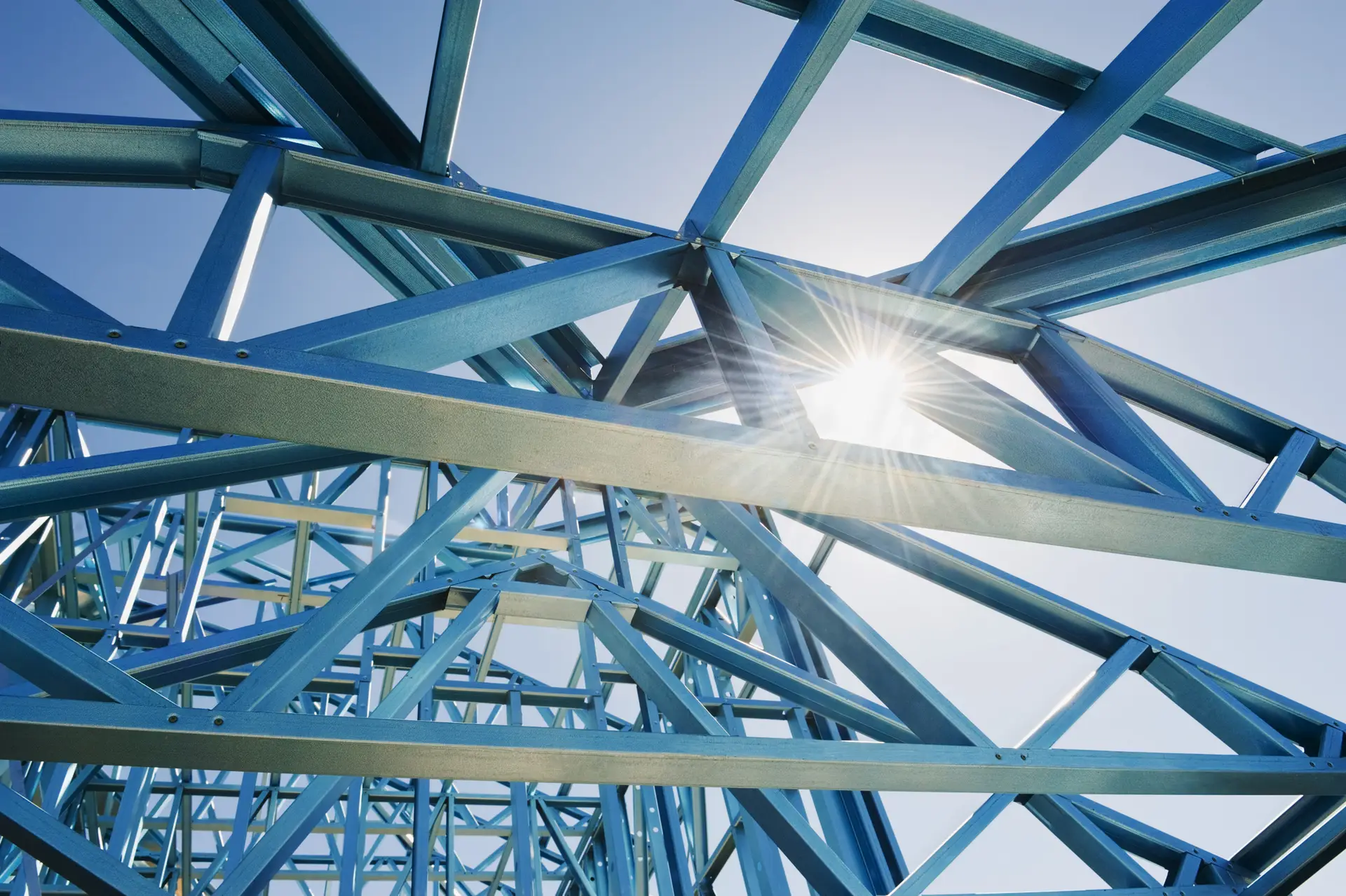
ECO Smart Homes uses a steel structural frame combined with engineered EPS panels that are designed to fit together precisely. Because the system is engineered as a whole, components arrive ready to install with minimal cutting or modification required.
This precision reduces excess materials, shortens installation time, and keeps job sites cleaner. Instead of piles of loose materials waiting to be cut and fitted, crews assemble a system that’s already been optimized for efficiency. Less material handling means less waste—and fewer opportunities for errors that lead to disposal.

Does Reducing Waste Also Reduce Costs?
Absolutely. Waste is expensive. Every discarded piece of material represents money spent without value gained. Reducing waste lowers material costs, disposal fees, and labor hours spent on cleanup and rework.
ECO Smart Homes’ faster build times also help reduce indirect costs such as extended labor, equipment rentals, and project delays. While waste reduction is a sustainability win, it’s also a practical financial advantage for homeowners and investors.
How Does Faster Construction Help Minimize Waste?
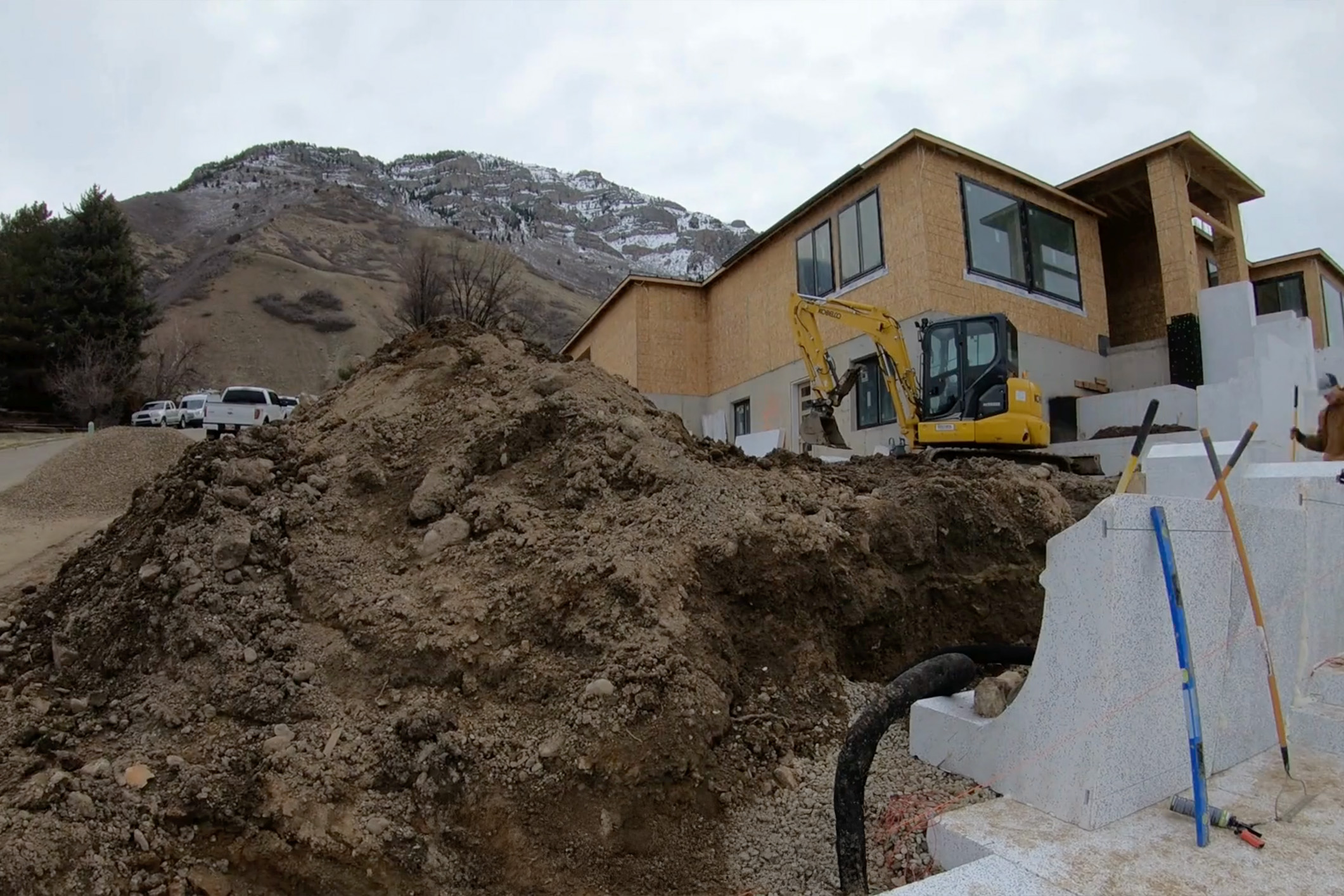
Long construction timelines create more opportunities for waste. Materials sit exposed to weather, get damaged, or need replacement due to schedule changes. The longer a job site stays active, the more waste tends to accumulate.
Because ECO Smart Homes’ system installs quickly, materials move from delivery to installation with minimal downtime. This reduces damage, limits storage needs, and keeps excess materials from piling up. Faster construction isn’t just convenient—it’s an important part of building more responsibly.

What Environmental Impact Comes From Cutting Construction Waste?
Construction debris makes up a significant portion of landfill waste. Reducing it at the source has a direct environmental benefit. Using fewer materials overall means fewer resources are extracted, processed, transported, and discarded.
By cutting waste by up to 90%, ECO Smart Homes helps lower landfill contributions and reduce the carbon footprint associated with traditional construction. Over the life of a home, this more efficient use of materials plays a meaningful role in sustainable living.
Why Smarter Planning Matters More Than Recycling Alone
Recycling construction waste is helpful—but it’s not enough. The most effective way to reduce environmental impact is to avoid creating waste in the first place.
ECO Smart Homes focuses on prevention through planning. By engineering the home before it’s built, materials are used intentionally and efficiently. This proactive approach is far more effective than trying to manage waste after it’s already been created.

What Does a Low-Waste Build Mean for Homeowners?
For homeowners, a low-waste build means fewer delays, lower costs, and a cleaner construction experience. It also means living in a home that was designed thoughtfully from the start, not patched together along the way.
ECO Smart Homes proves that cutting construction waste doesn’t require compromise. With the right systems and planning, it’s possible to build high-performance homes that are durable, efficient, and environmentally responsible—without cutting corners.
Reducing waste isn’t about doing less. It’s about doing things better.