
Modern Minimalist Home Designs That Are Eco-Conscious
What Defines a Modern Minimalist Home Design?
When people talk about modern minimalist homes, they’re referring to a design philosophy that strips living spaces down to what really matters: simplicity, function, and intentional use of space. These homes avoid unnecessary ornamentation and visual clutter, focusing instead on clean lines, open areas, and purposeful architectural form. Minimalism isn’t just about how a home looks — it’s about how it feels and how it functions. By reducing visual noise and emphasizing spatial clarity, minimalist design creates environments that feel calmer, more intentional, and more connected to everyday life.
Minimalist home designs often incorporate open floor plans, natural light, and a neutral palette to enhance the sense of openness. But in today’s eco-conscious world, modern minimalism goes a step further — it embraces sustainability as an integral part of the aesthetic and functional experience. Instead of large, ornate spaces that consume more materials and energy, minimalist architecture prioritizes quality over quantity, ensuring that each square foot contributes meaningfully to comfort, efficiency, and environmental responsibility.
How Does Eco-Conscious Design Fit With Minimalism?
Eco-conscious design and minimalism complement one another beautifully because both value efficiency, restraint, and intentional choices. Sustainability isn’t an add-on; it’s built into the structure of the home, the materials chosen, and the way each space performs. That means selecting materials that last longer, reducing waste in construction, and designing a home that uses less energy on an ongoing basis.
ECO Smart Homes embraces this philosophy by combining minimalist aesthetics with forward-thinking building systems. Their modern home designs reflect core values of contemporary living — open, functional spaces with strong horizontal lines and thoughtful layouts — while also prioritizing energy efficiency and environmental responsibility. These homes aren’t just sleek to look at; they’re engineered to perform strongly against both comfort and sustainability metrics.
Why Are Open Floor Plans So Popular in Minimalist Homes?
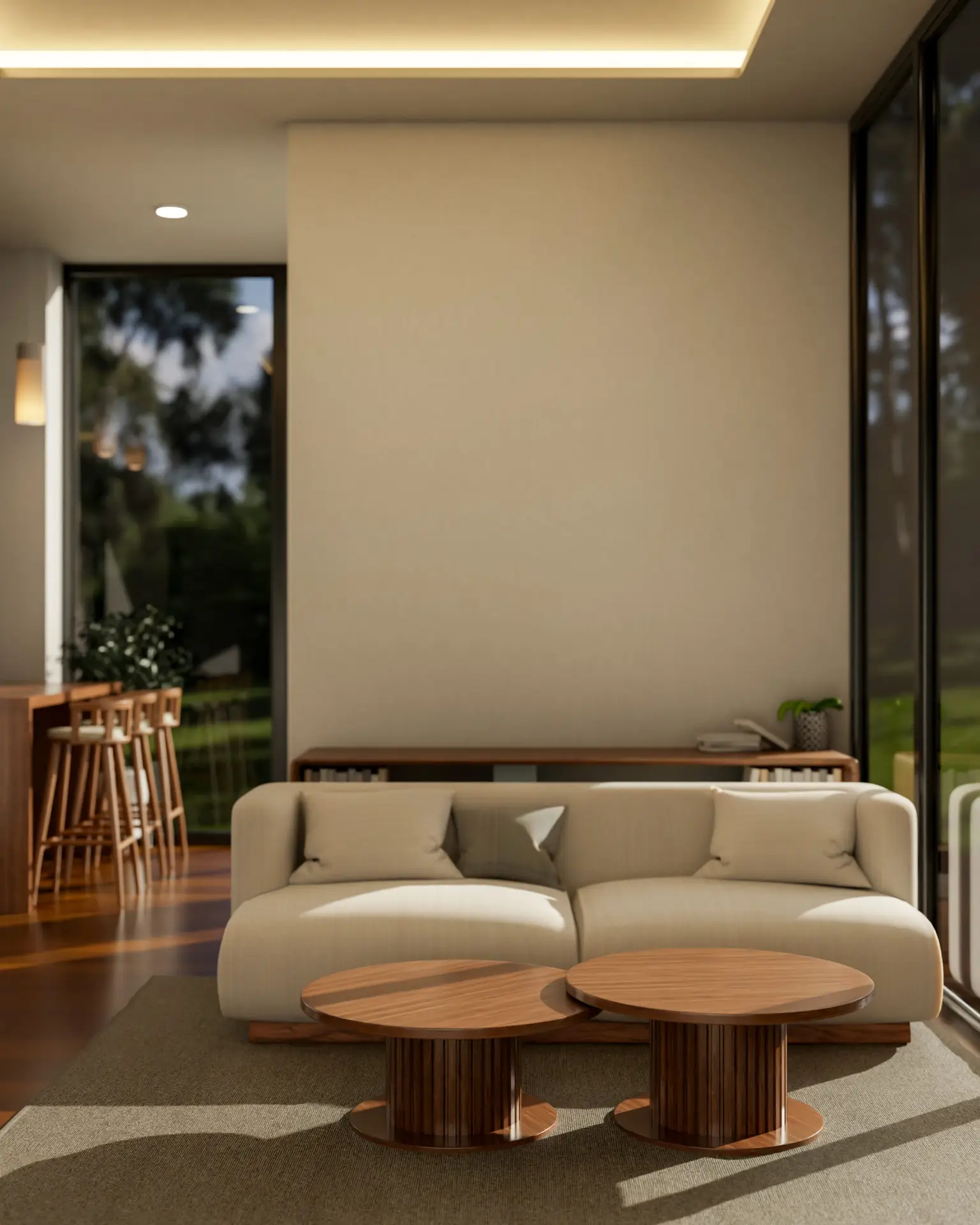
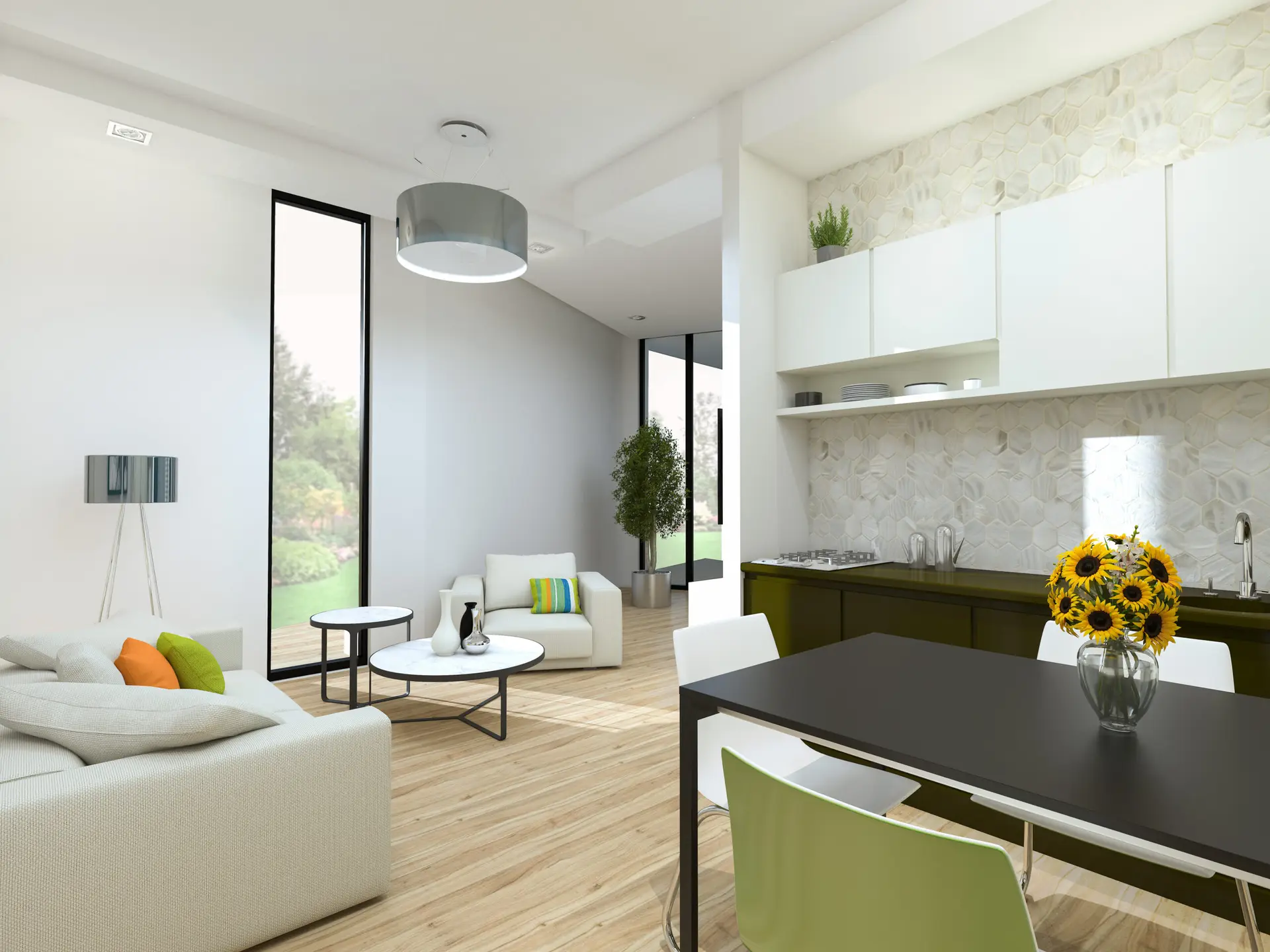
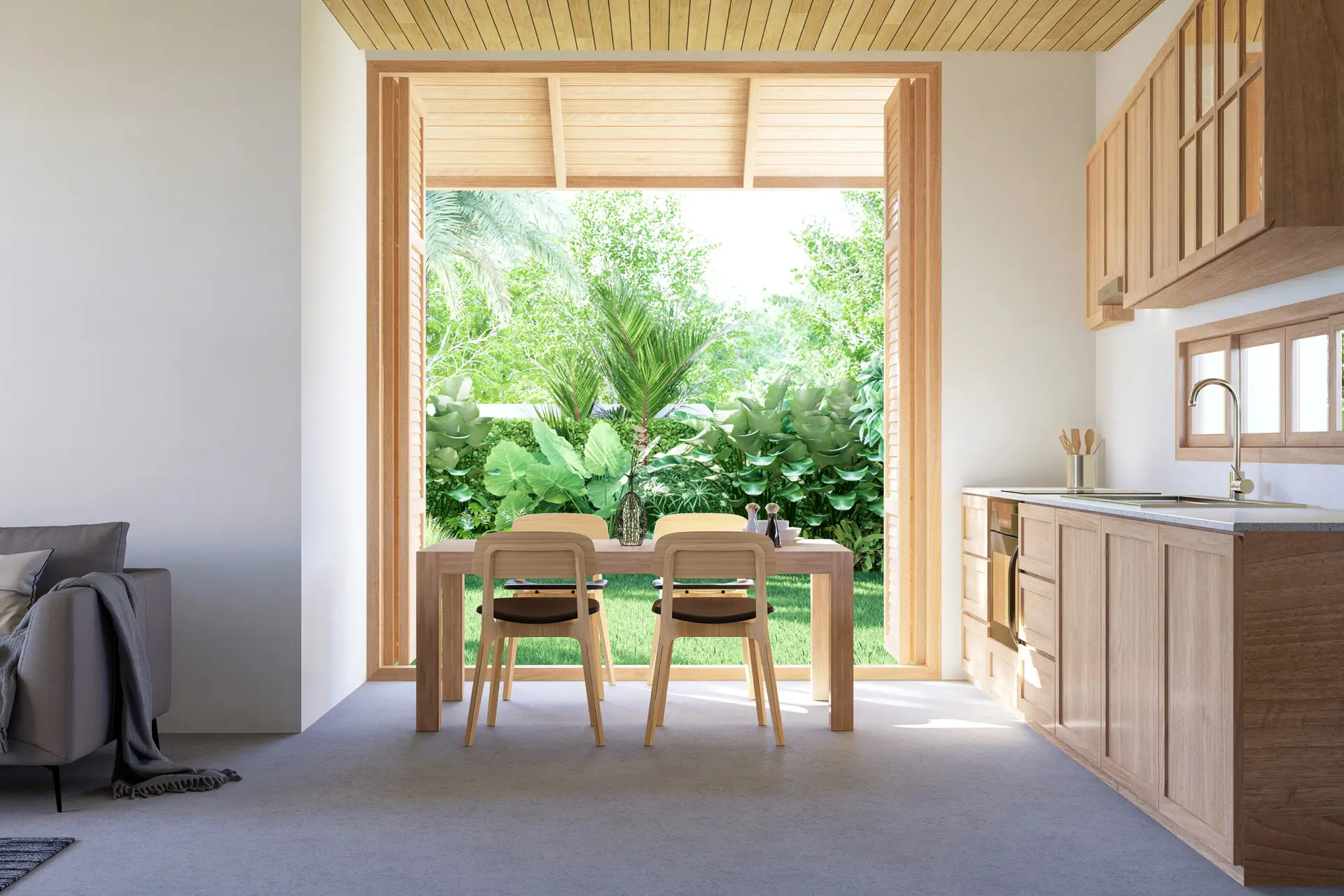
One of the hallmarks of modern minimalist design is the open floor plan, where living, dining, and kitchen areas flow into one another without unnecessary barriers. This creates a sense of spaciousness even in smaller footprints and allows natural light to permeate deep into the home. For minimalist design, this open living encourages flexibility and social interaction, making every inch of space feel purposeful.
In eco-conscious homes like those built by ECO Smart Homes, open floor plans also support energy efficiency. With fewer interior walls interrupting airflow and light, these homes can achieve better thermal performance and reduce the need for excessive artificial lighting or mechanical heating and cooling — helping to keep energy use and bills lower without sacrificing comfort.
What Materials Support a Minimalist and Sustainable Home?
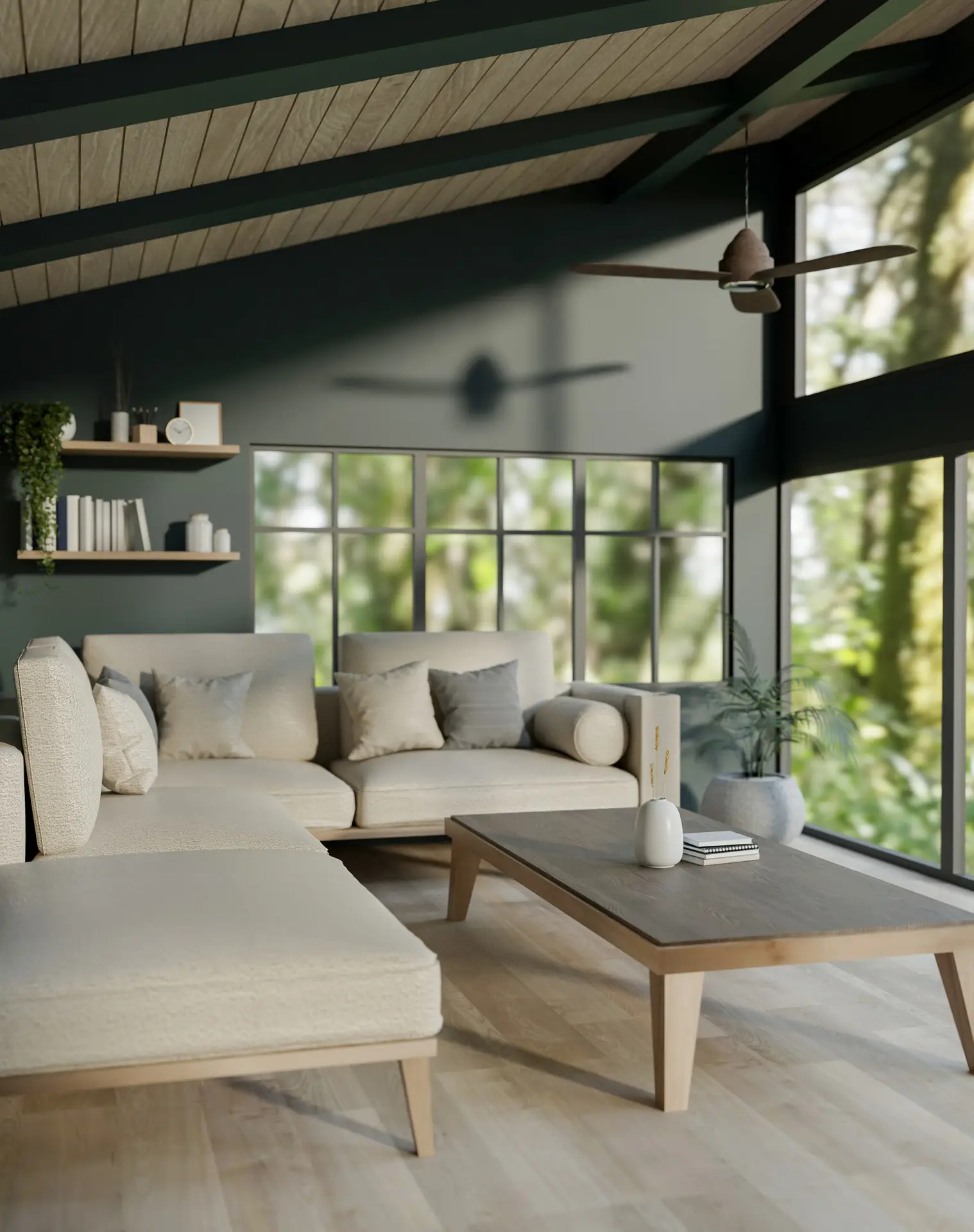
Minimalist design celebrates simplicity, but sustainability demands thoughtful material selection. Rather than relying on traditional wood framing that can warp, rot, or attract pests, ECO Smart Homes uses a durable steel structure paired with engineered EPS panels. This system not only supports a clean, minimalist aesthetic but also dramatically improves insulation and performance.
These steel and EPS systems result in walls and roofs that are highly energy efficient, airtight, and resistant to moisture and decay. Because they’re engineered for performance, they reduce the need for frequent repairs or replacements — which means fewer materials used over the life of the home and a smaller environmental footprint. In an eco-conscious minimalist design, every material choice is intentional — selected for both aesthetic simplicity and long-term sustainability.
How Do Modern Minimalist Designs Reduce Waste?
Creating a minimalist home that’s truly eco-friendly means cutting waste at every stage of the process. In traditional construction, excess materials, off-cuts, and onsite errors can create significant waste. ECO Smart Homes’ pre-engineered, pre-stamped building system helps reduce this waste dramatically by manufacturing components precisely before they reach the site.
This approach creates less construction waste — up to 90% less compared to conventional building methods — and reduces carbon emissions associated with material hauling and on-site corrections. In a minimalist home, where simplicity and efficiency are core values, reducing waste aligns with both environmental goals and design philosophy.
What Role Does Energy Efficiency Play in Minimalist Homes?
Modern minimalist homes aren’t just visually light — they’re built to use less energy over time. By combining high insulation values (walls rated around R-40, roofs near R-50) and airtight envelopes, ECO Smart Homes deliver living spaces that stay comfortable with minimal energy expenditure. This translates to lower heating and cooling costs and a reduced carbon footprint.
Sustainability features like LED lighting, energy-efficient HVAC systems, and optional solar and battery integrations further enhance performance. In a minimalist home, efficiency isn’t just a benefit — it’s a defining part of the lifestyle. Every thoughtful design choice supports a slower, more conscious use of resources that benefits both homeowners and the planet.
How Does Minimalist Design Enhance Well-Being?
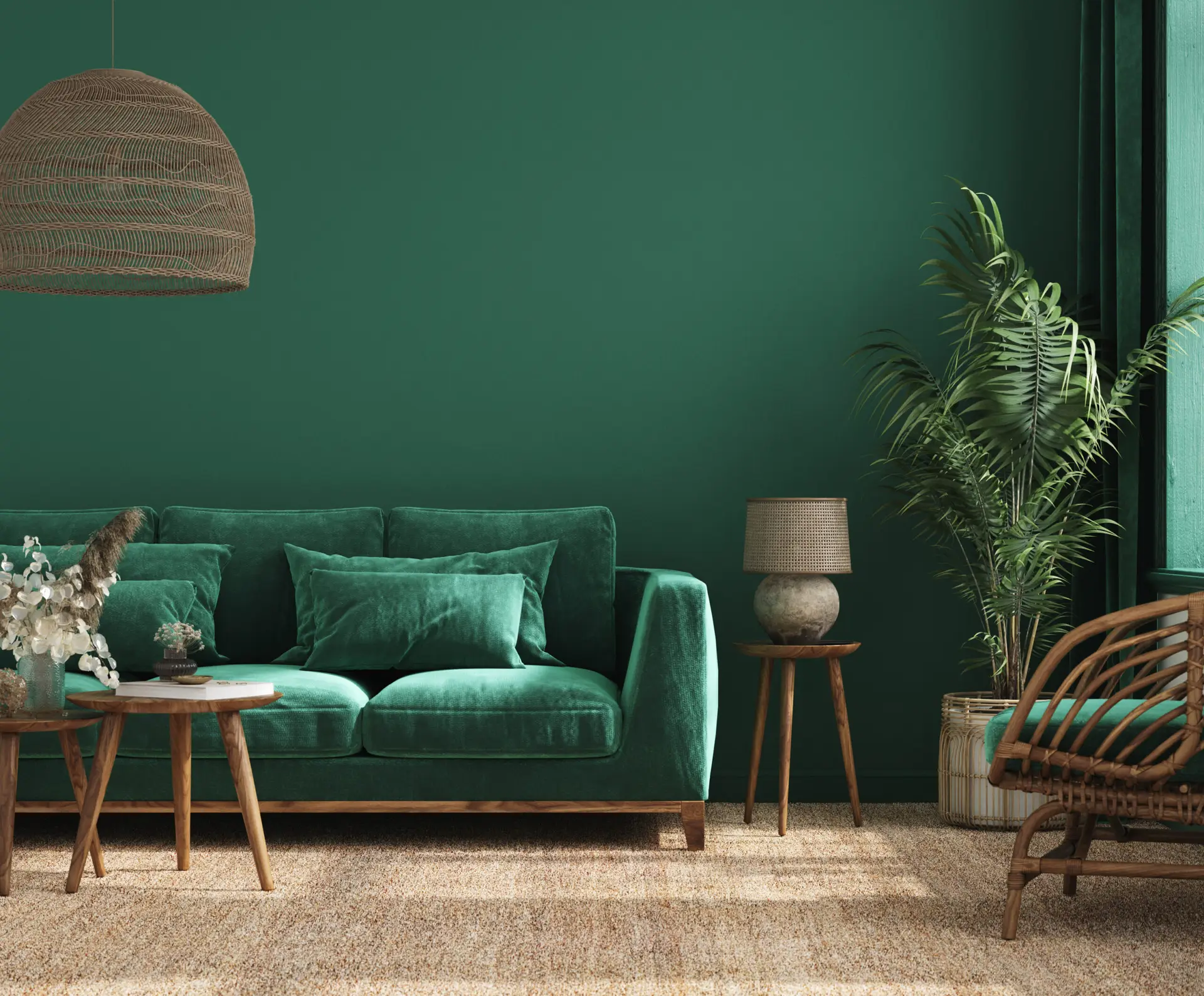
Minimalism isn’t just about aesthetics — it’s about how a space makes you feel. Homes designed with simplicity in mind tend to reduce visual noise and create a calmer, more inviting living environment. Clean surfaces, uncluttered spaces, and natural light all contribute to a sense of peace inside the home.
For eco-conscious homeowners, this quiet simplicity complements a lifestyle that values mindfulness and intentional living. A minimalist home becomes a sanctuary from the busyness of everyday life, where functional beauty and clarity replace excess and distraction. This connection between design and well-being is a powerful reason why many people are drawn to modern minimalist architecture today.
Can Minimalist Homes Also Be Stylish and Luxurious?
Absolutely. Minimalism doesn’t mean sacrificing beauty, quality, or luxury. In fact, the restraint of minimalist design often highlights craftsmanship, thoughtful detailing, and premium finishes. ECO Smart Homes’ modern home designs reflect this balance: sleek, contemporary exteriors with open, free-flowing interiors that feel luxurious without being opulent.
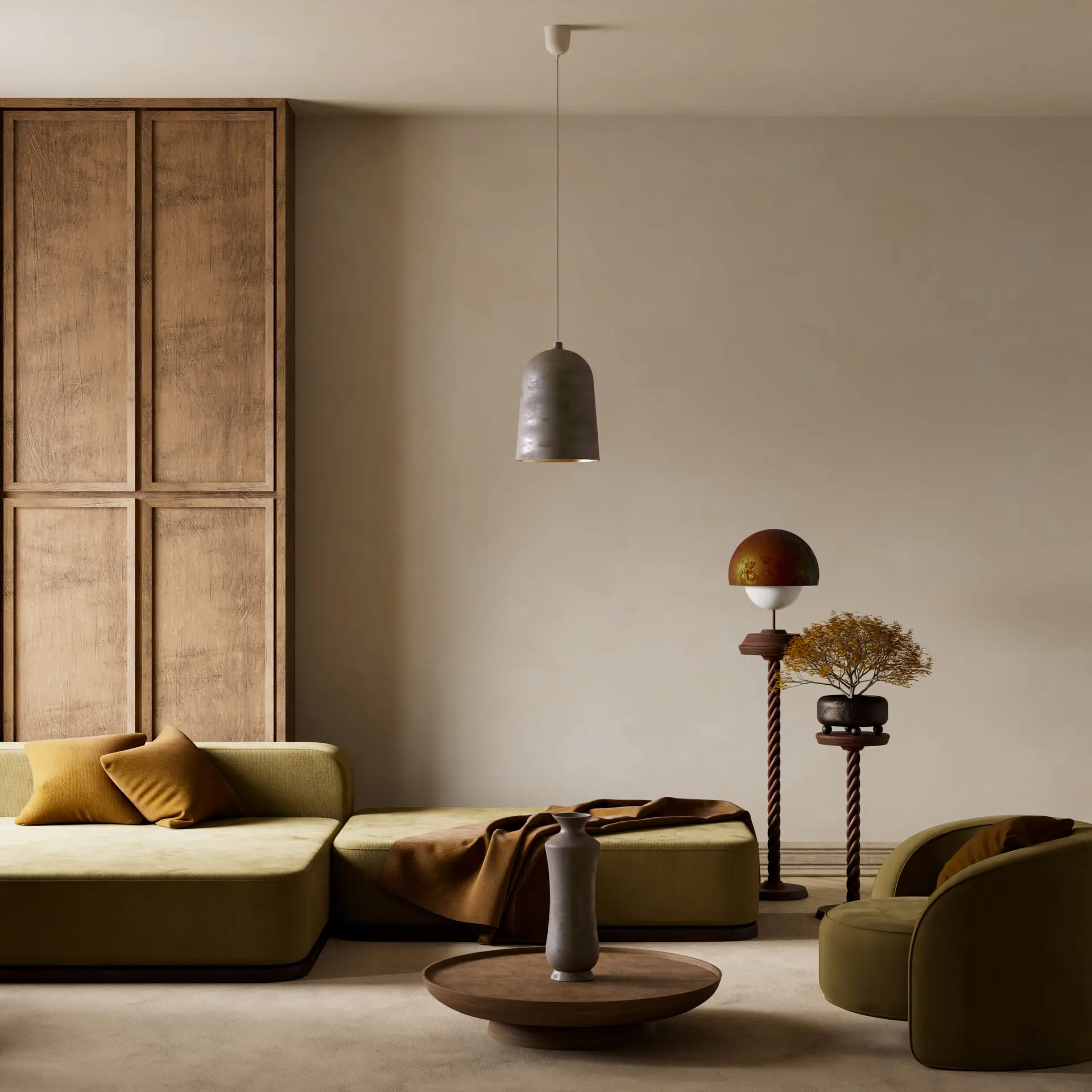
Style in a minimalist home comes from proportion, materials, and the way space is used rather than from excessive ornamentation. This approach creates homes that feel timeless — not tied to fleeting trends — and that remain visually appealing as well as environmentally responsible.
Why Are More Homeowners
Choosing Minimalist, Eco-Conscious Design?
Today’s homeowners want more than a pretty façade — they want a home that reflects their values. Modern minimalist design resonates with people who appreciate simplicity, clarity, and sustainability. It aligns with practical needs like lower energy costs, reduced waste, and long-term durability. At the same time, it supports emotional needs for calm, well-organized spaces that feel intentional and uplifting.
With companies like ECO Smart Homes pioneering systems that make these values practical and affordable, minimalist, eco-conscious homes are becoming not just a design trend but a new standard in residential living.