
The Science Behind Mold and Pest-Resistant Building Materials
Why Do Mold and Pests Show Up in So Many Homes?
Mold and pests are not random problems. They are symptoms of how a home is designed and built. When moisture gets trapped inside walls, floors, or foundations, mold has what it needs to grow. When building materials offer food, shelter, or easy access, insects and rodents move in and stay.
At EcoSmart Homes, we look at mold and pest resistance through a science-based lens. Instead of reacting to problems after they appear, we design homes that remove the conditions those problems depend on. That starts with understanding what mold and pests actually need in order to survive.
What Does Mold Really Need to Grow?
Mold spores exist almost everywhere. You can’t eliminate them entirely, but you can control whether they become a problem. Mold needs three things to grow: moisture, a food source, and time. Remove any one of those, and growth stops.
Most conventional homes unintentionally provide all three. Wood framing, paper-faced drywall, and fibrous insulation offer organic food. Gaps in air sealing allow warm, moist air to move into cooler assemblies where condensation forms. Once moisture is trapped, mold growth is only a matter of time.
EcoSmart Homes designs building systems that limit moisture movement, avoid absorbent materials where possible, and keep surfaces warmer so condensation is far less likely. When moisture is controlled, mold loses its advantage.
How Do Building Materials Influence Mold Resistance?
Not all materials behave the same when exposed to moisture. Some absorb water and hold it, while others resist it and dry quickly. This difference matters more than most people realize.
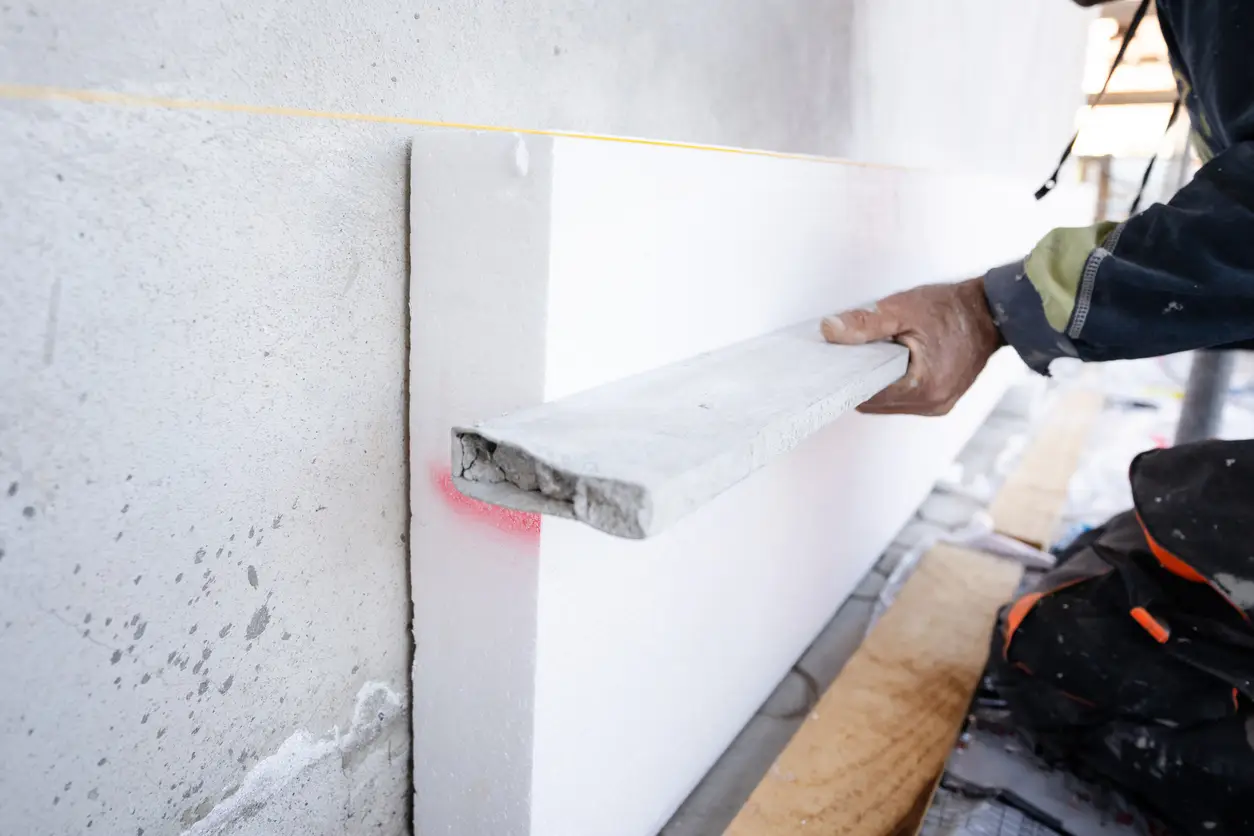
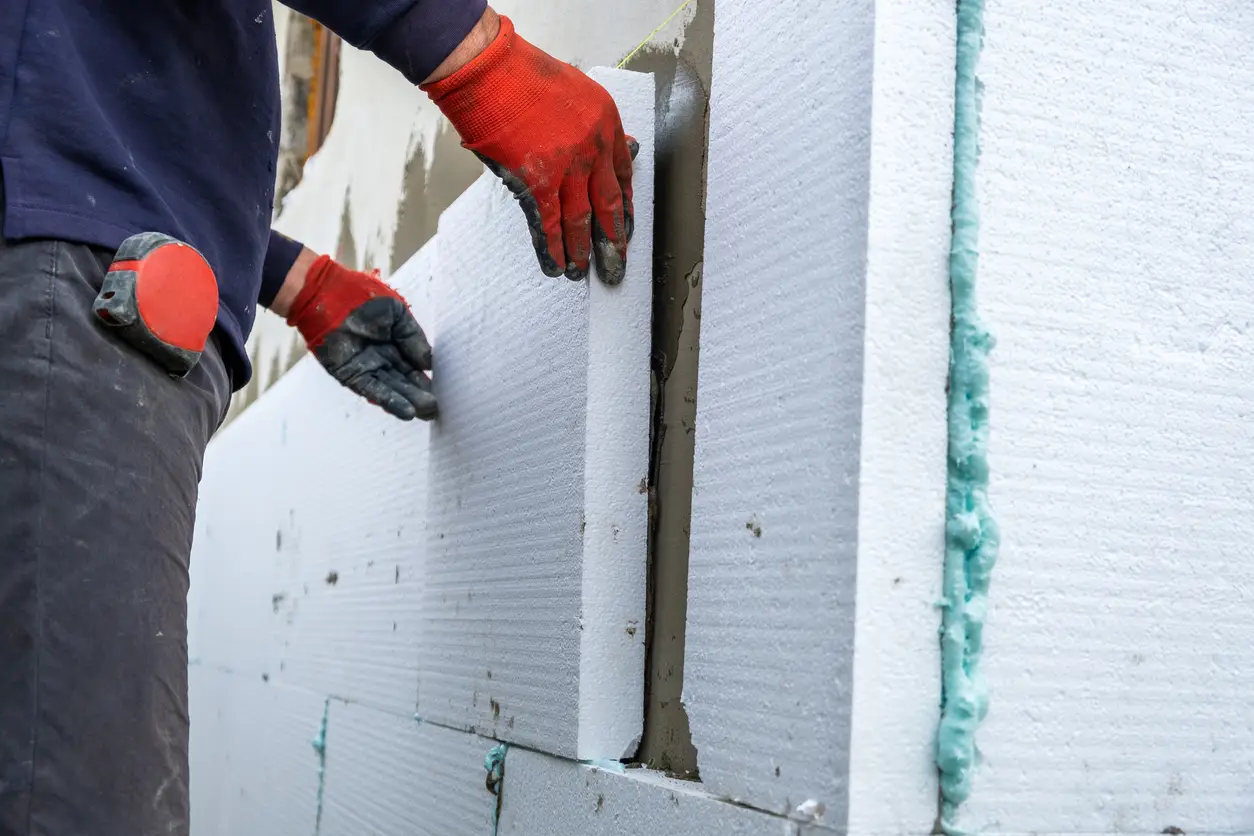
EcoSmart Homes relies on materials like EPS insulation and steel framing that do not provide food for mold. EPS is mostly air and does not absorb moisture the way fibrous insulation does. Steel framing does not rot, swell, or support biological growth. When these materials are used together in a properly sealed system, moisture has nowhere to hide.
This doesn’t mean water is ignored. It means the structure is designed so that if moisture shows up, it can’t linger long enough to cause damage.
Why Is Airtight Construction So Important for Mold Control?
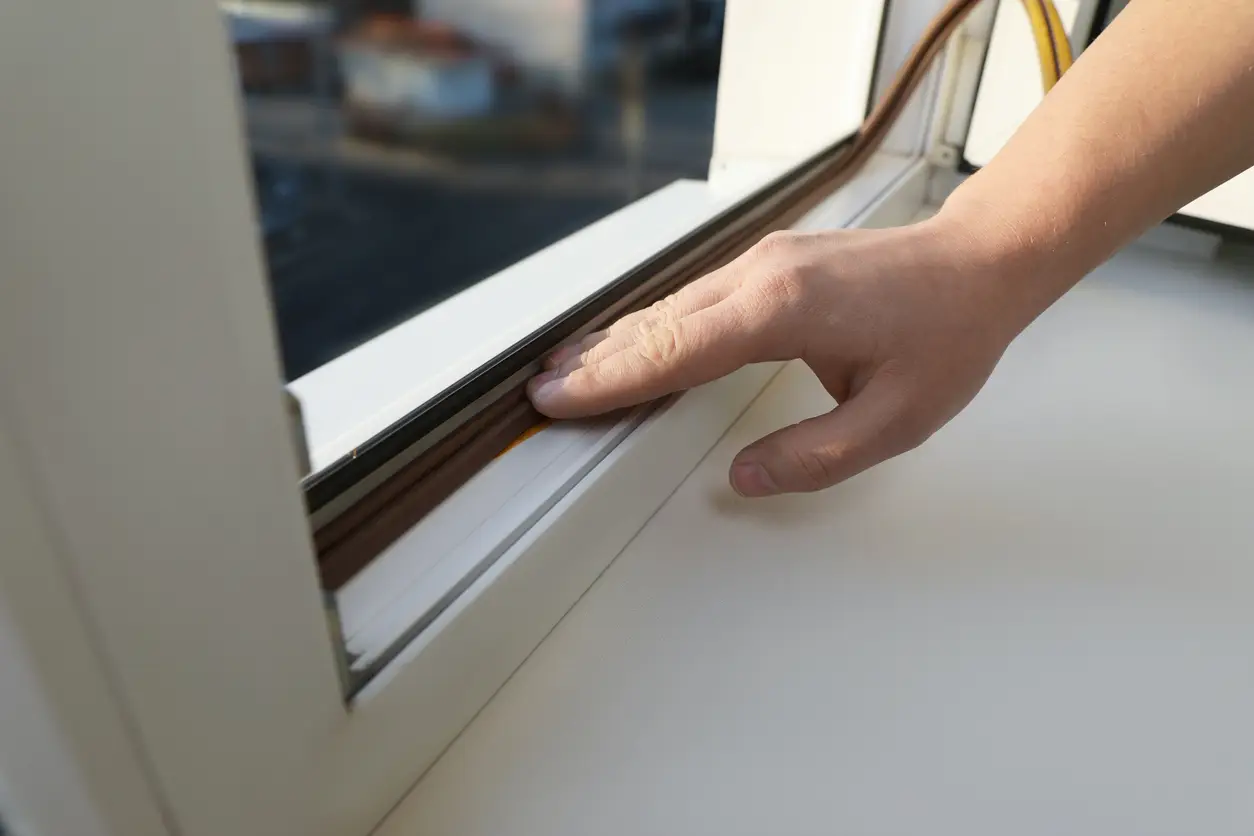
Air movement is one of the main ways moisture enters wall and ceiling assemblies. Warm indoor air carries moisture, and when it leaks into cooler spaces, condensation forms. Even small leaks can transport surprising amounts of water over time.
EcoSmart Homes prioritizes airtight construction so air moves where it’s intended to move, not through hidden gaps. Factory-built panel systems and tight tolerances make this easier to achieve consistently. When air leakage is reduced, moisture transport drops with it.
This approach supports healthier indoor air and protects the building at the same time. Mold prevention isn’t about chemicals or treatments. It’s about controlling physics.
What Attracts Pests to Traditional Homes?
Pests are practical. They look for food, water, and shelter. Many traditional building materials provide all three. Wood framing offers chewable access and nesting space. Gaps around foundations and utility penetrations create easy entry points. Moist areas attract insects, which in turn attract larger pests.
Once pests get inside, removing them becomes an ongoing battle. Traps and treatments address symptoms, not causes.
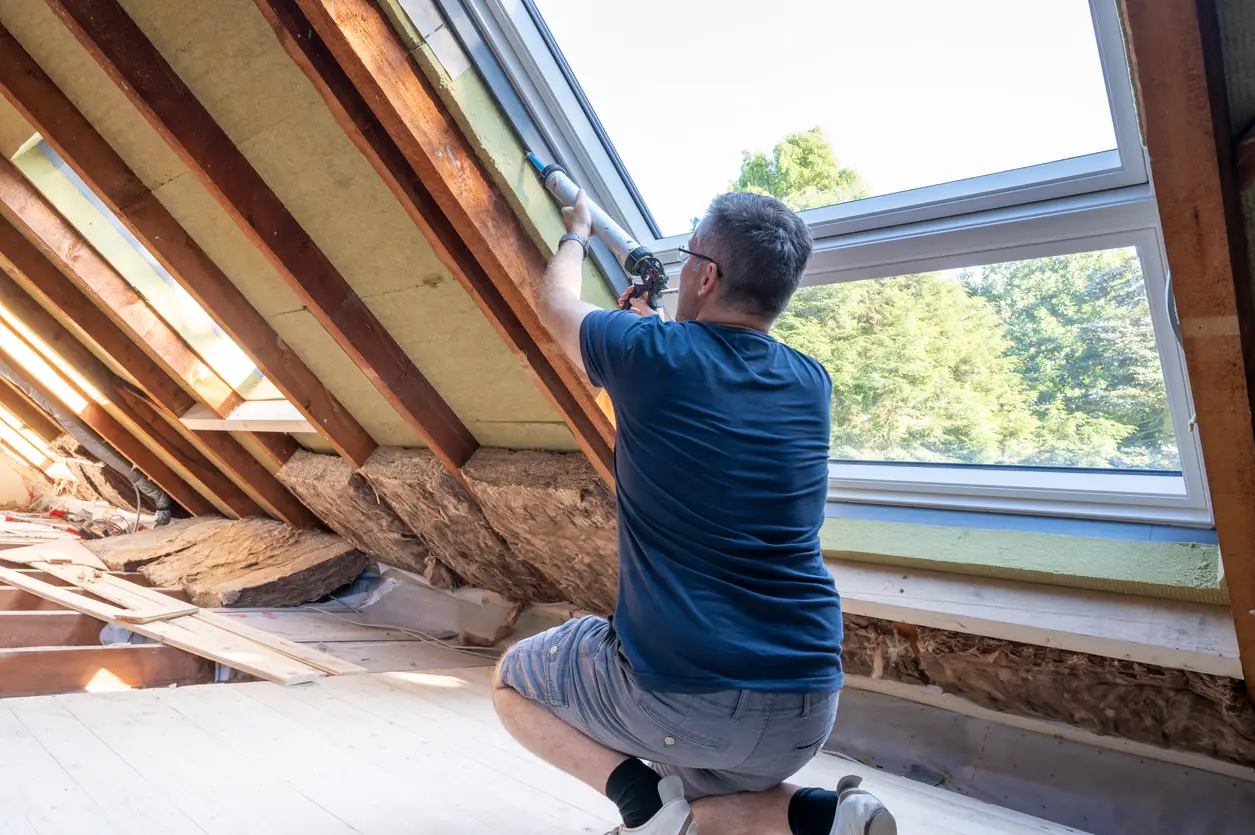
EcoSmart Homes designs structures that are less appealing to pests from the start. Steel framing removes a major nesting and chewing material. Dense, well-fitted insulation panels reduce voids where pests like to hide. When the building envelope is tight and dry, pests tend to move on.
How Does Moisture Control Reduce Pest Problems?
Moisture and pests are closely linked. Damp areas attract insects, and insects attract rodents. Crawl spaces, basements, and poorly detailed foundations often become entry points simply because they stay wet.
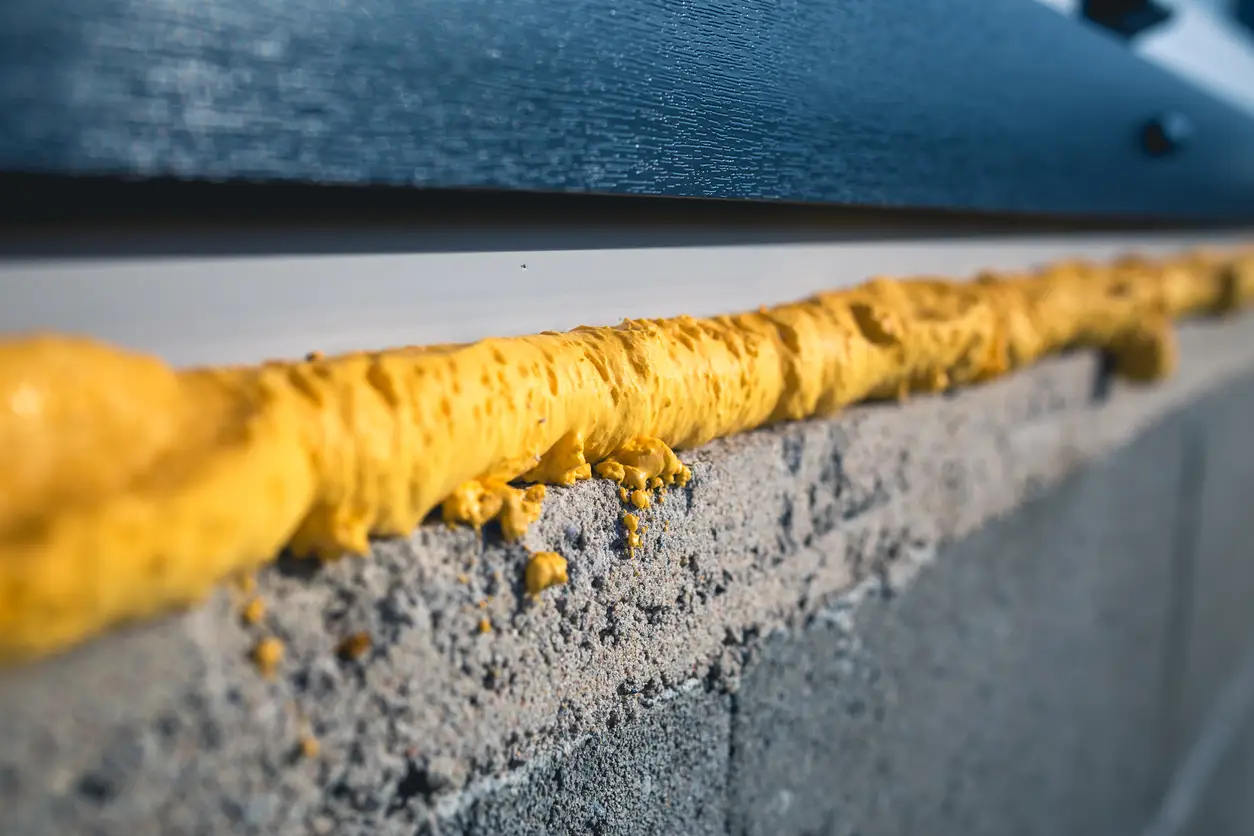
EcoSmart Homes addresses this by integrating moisture control into foundation and wall systems. Insulated foundations reduce condensation. Proper drainage directs water away from the structure. Continuous insulation keeps surfaces warmer and drier.
When moisture is controlled, pest pressure drops naturally. Fewer insects means fewer predators looking for them. This creates a quieter, cleaner, and more stable home environment without ongoing intervention.
Are Mold- and Pest-Resistant Homes Still Comfortable?
There’s a myth that homes built for durability feel sealed off or uncomfortable. In reality, the opposite is true. When air movement is controlled and insulation is continuous, temperatures stay more even and drafts disappear.
EcoSmart Homes pairs airtight construction with intentional ventilation. Fresh air is introduced in a controlled way rather than leaking in randomly. This supports indoor air quality while maintaining comfort.
Homeowners often describe these homes as calmer and more consistent. The absence of musty smells, drafts, and temperature swings is noticeable, even if they can’t immediately explain why.
How Does Material Choice Reduce Long-Term Maintenance?
Mold and pest damage are expensive to fix because they’re usually hidden. Walls must be opened, materials replaced, and finishes repaired. Preventing those problems saves money long after construction is complete.
By using materials that resist moisture and biological growth, EcoSmart Homes reduces the likelihood of hidden damage. Steel framing doesn’t need treatment. EPS insulation doesn’t degrade over time. When these materials are part of an integrated system, maintenance demands drop significantly.
Low maintenance isn’t just about fewer chores. It’s about avoiding disruptive repairs that interrupt daily life.

Why Is Building Science Better Than Chemical Treatments?
Many homes rely on treated lumber, sprays, or coatings to resist mold and pests. These approaches can help in the short term, but they don’t address why the problem exists in the first place.
EcoSmart Homes focuses on building science instead of temporary fixes. By controlling moisture, air movement, and material behavior, the home itself becomes resistant. This approach is more reliable and lasts as long as the structure does.
It’s a quieter solution, but a more dependable one.
What Should Homeowners Take Away About Mold and Pest Resistance?
Mold and pests are not inevitable. They are predictable outcomes of design and material choices. When a home is built with moisture control, airtightness, and non-organic materials in mind, these problems struggle to gain a foothold.
EcoSmart Homes designs with that understanding from the beginning. The result is a home that feels healthier, lasts longer, and requires less intervention over time.
True resistance isn’t about fighting problems after they appear. It’s about building in a way that gives them no reason to show up at all.