
Understanding EPS: The Secret Behind Our Eco Smart Walls
What Is EPS and Why Does EcoSmart Homes Rely on It?
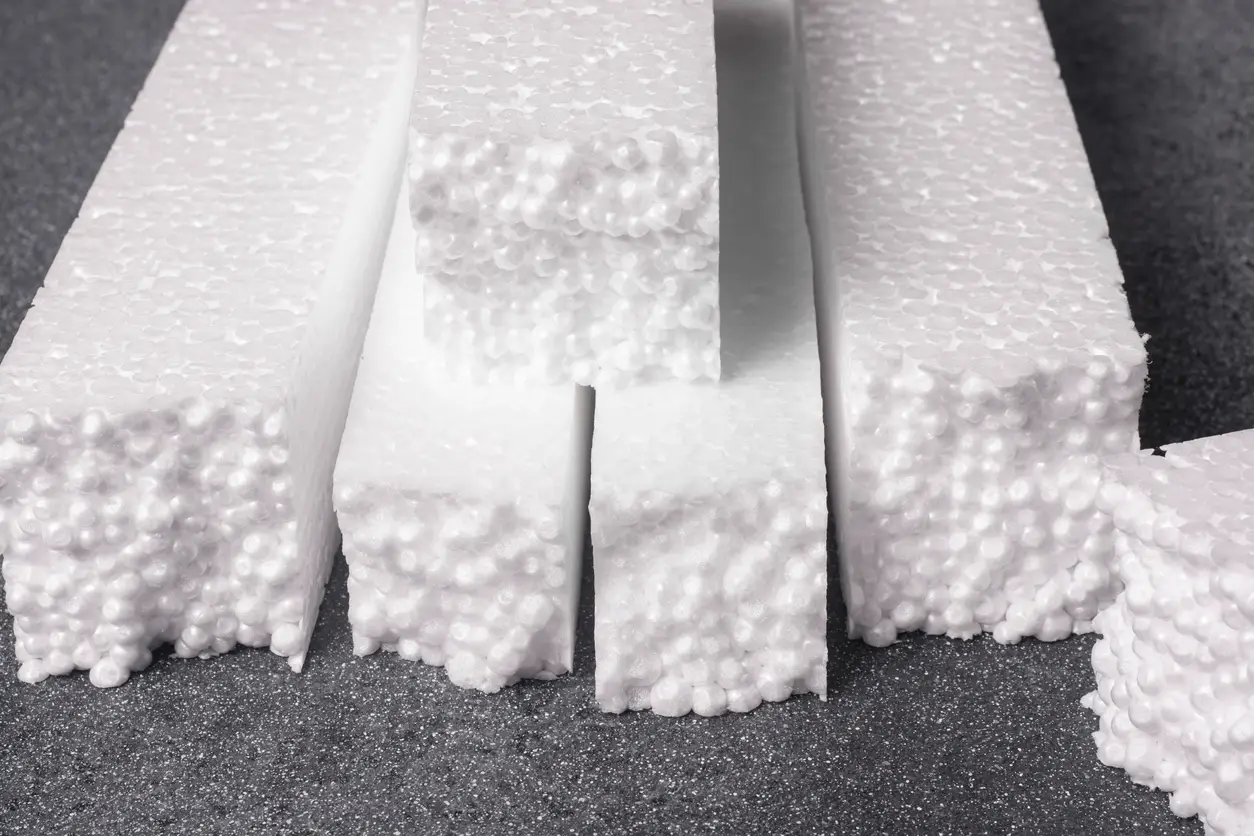
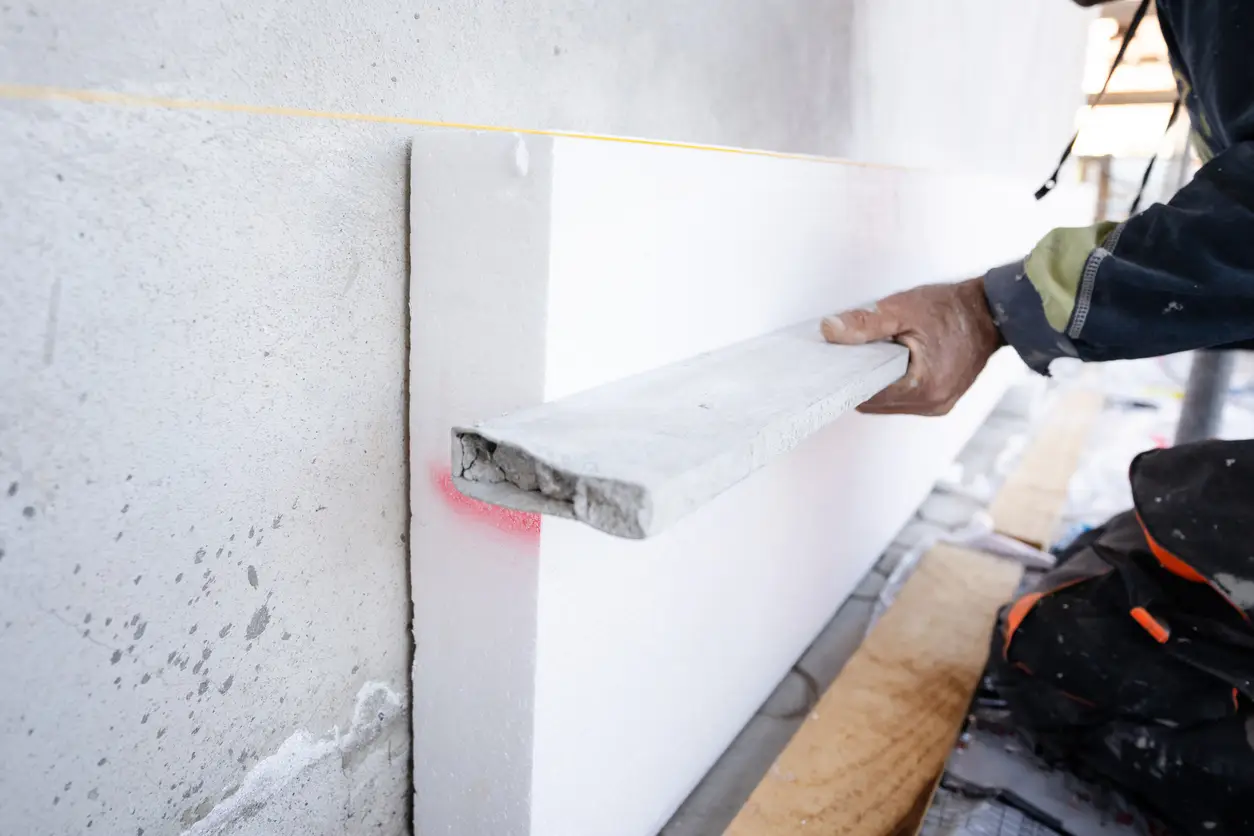
EPS stands for Expanded Polystyrene, and while that name may sound technical, the idea behind it is simple. EPS is a rigid, lightweight insulation material made mostly of air—about 98 percent air, to be precise. That trapped air is what gives EPS its insulating strength, dimensional stability, and long-term performance.
At EcoSmart Homes, EPS isn’t an add-on or an afterthought. It is a core structural and thermal component of our wall systems. We use EPS because it solves several building problems at the same time: energy loss, moisture movement, structural stress, and long-term durability. When builders and homeowners understand what EPS actually does, it becomes clear why it sits at the center of our EcoSmart wall design.
How Do EPS Walls Work Differently Than Traditional Framed Walls?
Most conventional homes rely on wood studs with insulation placed between them. That approach leaves unavoidable gaps where heat escapes through framing members, a phenomenon known as thermal bridging. Even well-insulated stud walls lose performance because wood conducts heat far more than insulation does.
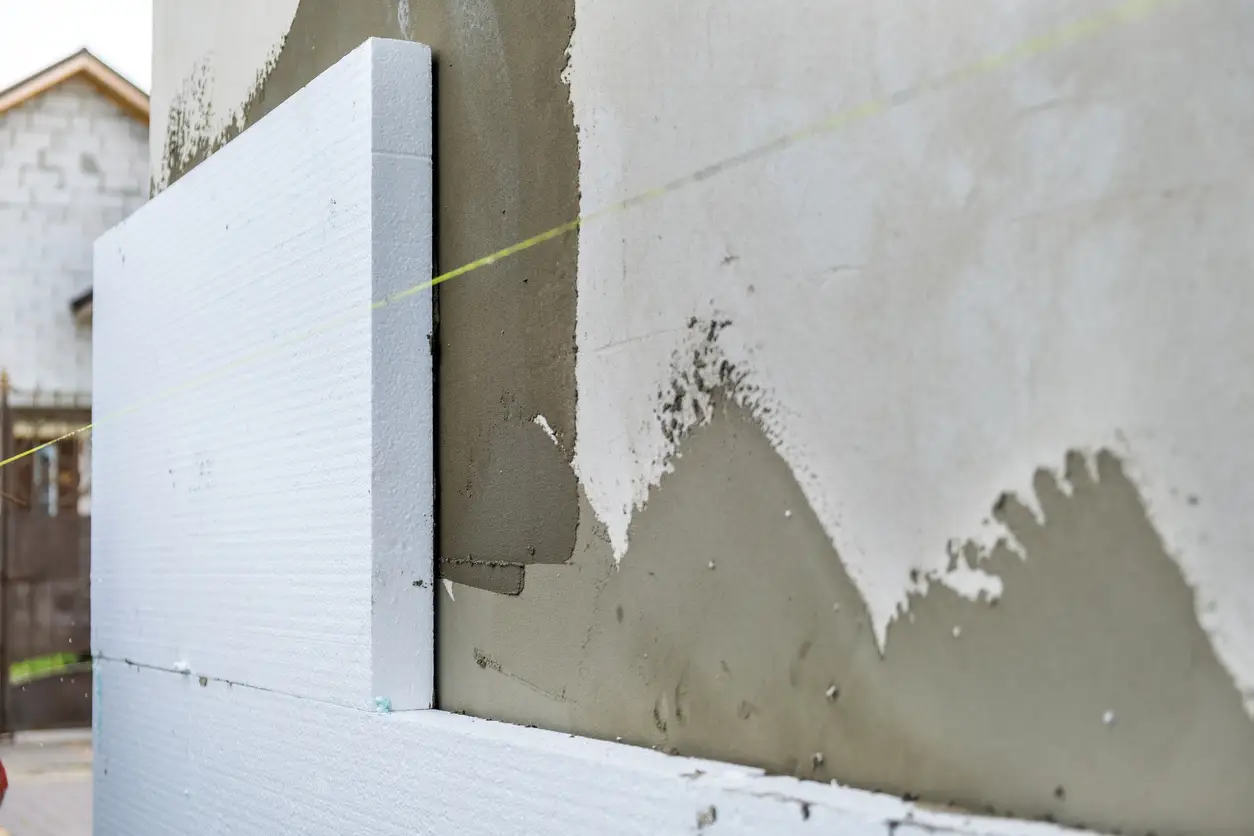
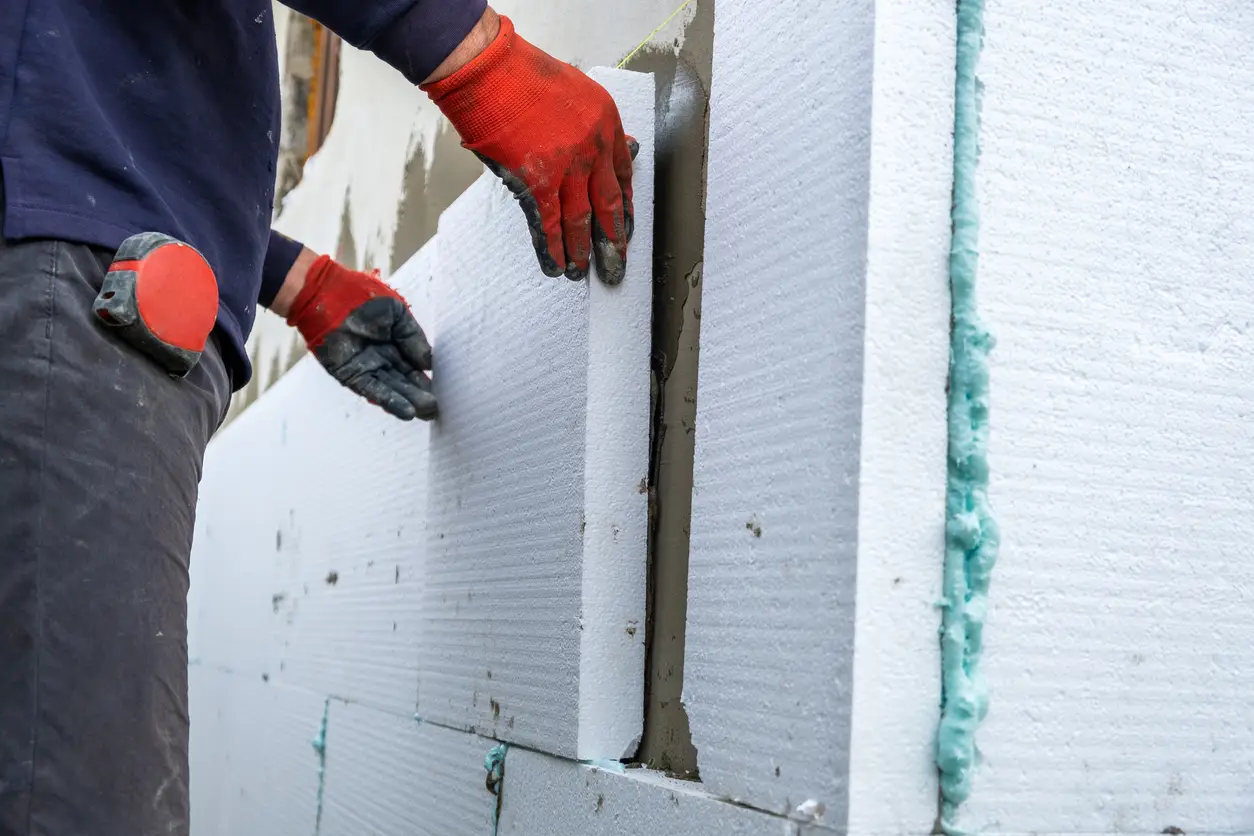
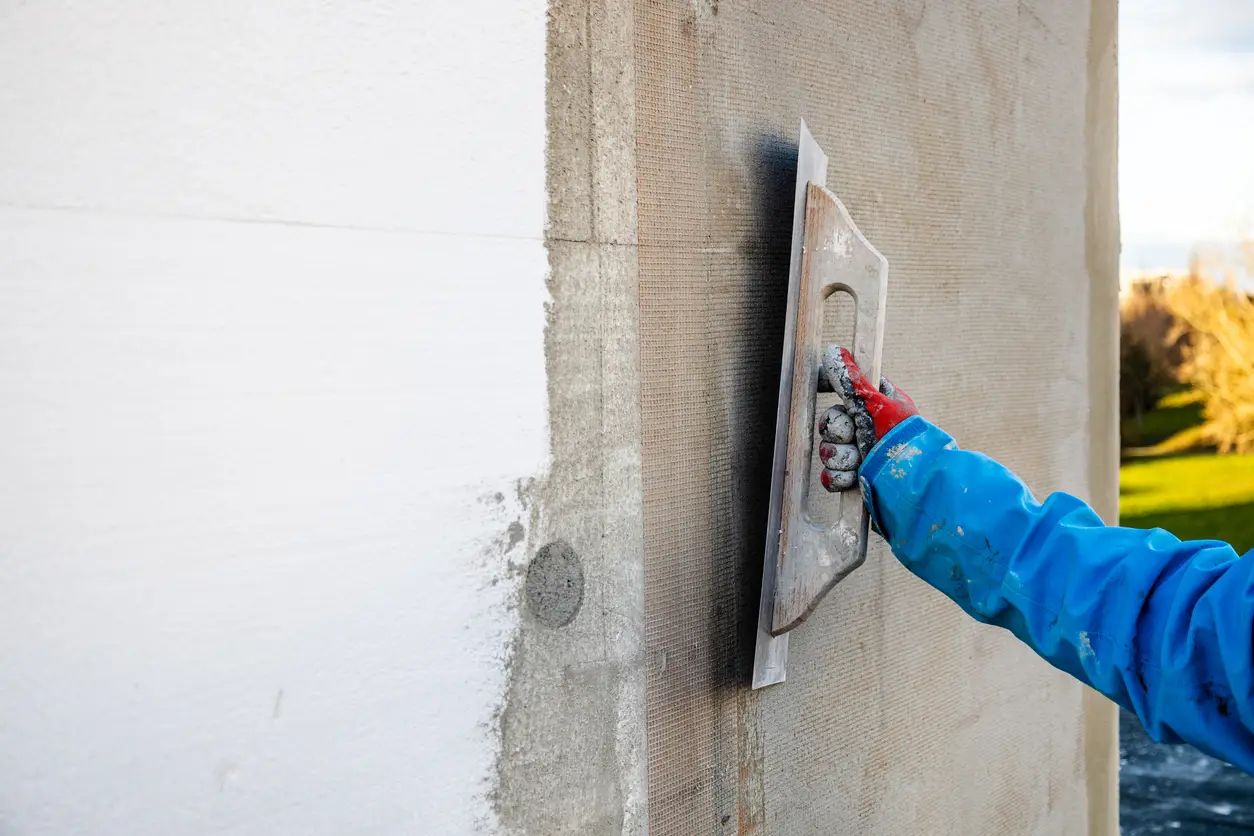
EPS walls work differently. Instead of interrupting the insulation every sixteen inches with framing, EPS creates a continuous thermal layer across the entire wall surface. In EcoSmart Homes’ system, EPS panels are paired with steel framing and structural elements in a way that keeps insulation uninterrupted. The result is a wall that performs consistently from corner to corner, top to bottom.
This continuity means fewer cold spots, fewer drafts, and a more even interior temperature. Homeowners notice it immediately. Rooms feel balanced, floors stay warmer, and heating and cooling systems don’t have to work as hard to keep the home comfortable.
Why Is EPS So Effective at Energy Efficiency?
Energy efficiency isn’t just about high R-values; it’s about predictability and consistency. EPS delivers both. Because EPS does not settle, sag, or compress over time, it maintains its insulating value year after year. What you install on day one is what you still have decades later.
EcoSmart Homes uses EPS in thicknesses that create very high effective R-values while avoiding the performance drop that happens in cavity insulation. Since the insulation is continuous and tightly integrated into the wall system, air leakage is reduced, which further improves energy performance.
This efficiency allows EcoSmart Homes to design buildings with smaller mechanical systems, lower operating costs, and better long-term comfort. The insulation works quietly in the background, doing its job without maintenance or adjustment.
How Does EPS Handle Moisture and Condensation?
Moisture control is one of the most misunderstood parts of building science. Many materials absorb water, and once moisture gets inside a wall assembly, it can cause mold, rot, and structural damage. EPS behaves differently.
EPS does not absorb water the way fibrous insulation does. It resists moisture movement and dries quickly if exposed. When used as part of a properly detailed wall system, EPS helps keep interior surfaces warmer, which reduces the likelihood of condensation forming inside the walls.
EcoSmart Homes designs EPS walls as part of a complete moisture strategy. The insulation, air sealing, and vapor control layers work together to keep water where it belongs—outside the structure. This approach protects the building and improves indoor air quality at the same time.
Why Is EPS a Smart Choice for Freeze-Thaw Climates?
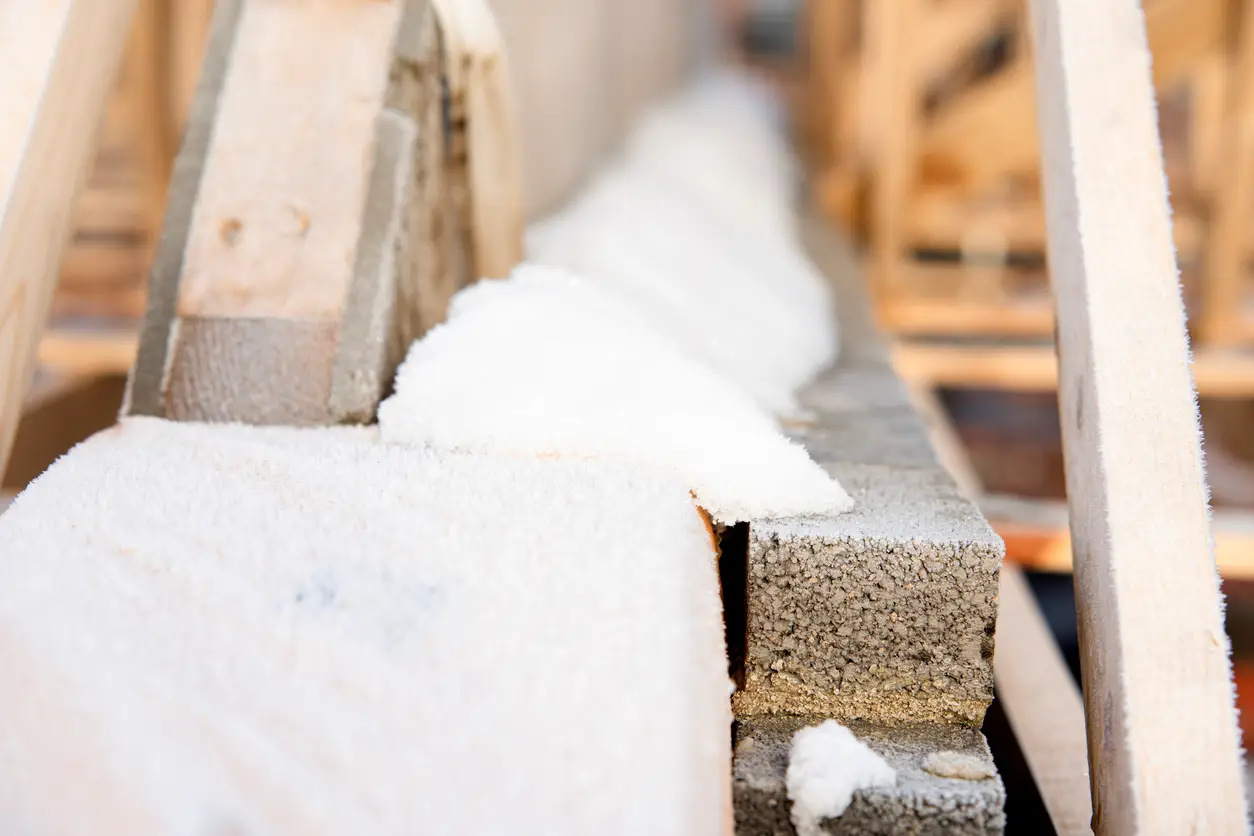
In climates where temperatures cross the freezing point regularly, building materials are constantly expanding and contracting. Over time, that movement can lead to cracking, especially when moisture is present.
EPS helps stabilize temperature swings within the wall assembly. By keeping structural components closer to indoor temperatures, it reduces thermal stress and limits the expansion cycles that cause damage. This is one of the reasons EcoSmart Homes’ buildings hold up so well in cold climates.
When paired with insulated foundations and continuous wall systems, EPS becomes a powerful tool for long-term durability. It protects not just comfort, but the physical integrity of the home itself.
Is EPS Strong Enough to Be Part of a Structural System?
EPS is often misunderstood as being fragile, but when engineered correctly, it plays a strong supporting role. In EcoSmart Homes’ wall assemblies, EPS works in combination with steel framing and structural panels to create rigid, stable walls that resist movement.
The EPS provides insulation and spacing, while the structural components carry loads. Together, they form a system that is lighter than traditional construction yet remarkably strong. This combination also allows for faster installation and more consistent quality during construction.
Builders appreciate this efficiency because it simplifies the build process. Homeowners appreciate it because it results in a quieter, more solid-feeling home.
How Does EPS Support EcoSmart Homes’ Sustainability Goals?
Sustainability isn’t just about materials; it’s about performance over time. EPS requires less energy to manufacture than many insulation alternatives and lasts for the life of the building without degrading. Because it improves energy efficiency so dramatically, it also reduces the operational energy use of the home year after year.
EcoSmart Homes focuses on building systems that make sense over decades, not just at the point of sale. EPS supports that goal by reducing energy demand, limiting maintenance issues, and contributing to healthier indoor environments.
When you step back and look at the full picture—energy use, durability, comfort, and longevity—EPS proves to be a responsible and practical choice.
What Should Homeowners and Builders Take Away About EPS?
EPS isn’t a gimmick or a shortcut. It’s a proven material used around the world in high-performance construction. EcoSmart Homes uses EPS because it aligns with our belief that homes should be efficient, durable, and comfortable without being complicated.
When insulation becomes part of the structure instead of something added later, everything works better. Walls perform consistently. Moisture is managed more effectively. Energy use drops. Comfort goes up.
Understanding EPS helps explain why EcoSmart Homes builds the way we do. It’s not about chasing trends. It’s about choosing materials and systems that quietly do their job, year after year, so homeowners can simply enjoy living in a home that works.