
What Makes a Retaining Wall System
Eco-Friendly?
When people hear “eco-friendly retaining wall,” they often picture recycled materials or a green label attached to a product. In reality, a retaining wall earns that description through how it performs over time. An eco-friendly wall manages water responsibly, resists failure, minimizes material waste, and lasts for decades without constant repair or replacement.
At EcoSmart Homes, we define eco-friendly as building systems that work with natural forces instead of fighting them. A retaining wall that cracks, shifts, or fails early isn’t sustainable, no matter what it’s made from. The greenest wall is the one you only have to build once.
Why Does Longevity Matter More Than Material Alone?
A retaining wall sits under constant pressure from soil, water, and temperature changes. If it’s poorly designed or built with short-term thinking, repairs and rebuilds become inevitable. Each repair adds material use, labor, and environmental impact.
EcoSmart Homes designs retaining wall systems to last. Structural stability, proper drainage, and insulation where appropriate reduce stress on the wall over time. When a wall remains intact and functional year after year, it avoids the environmental cost of replacement and ongoing maintenance.
Durability is sustainability in action. A wall that holds its shape, manages moisture, and resists cracking quietly does its job without demanding resources later.
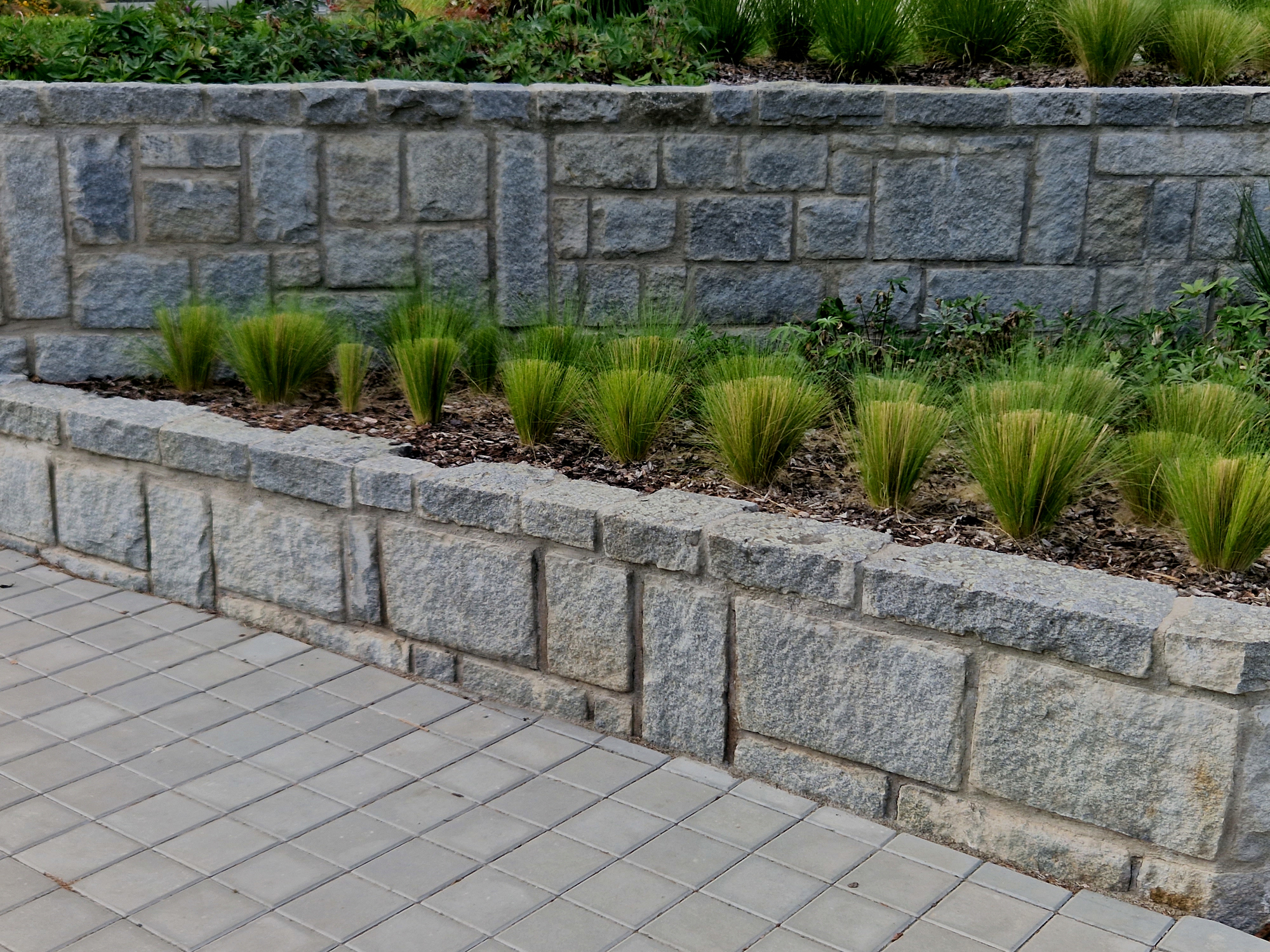
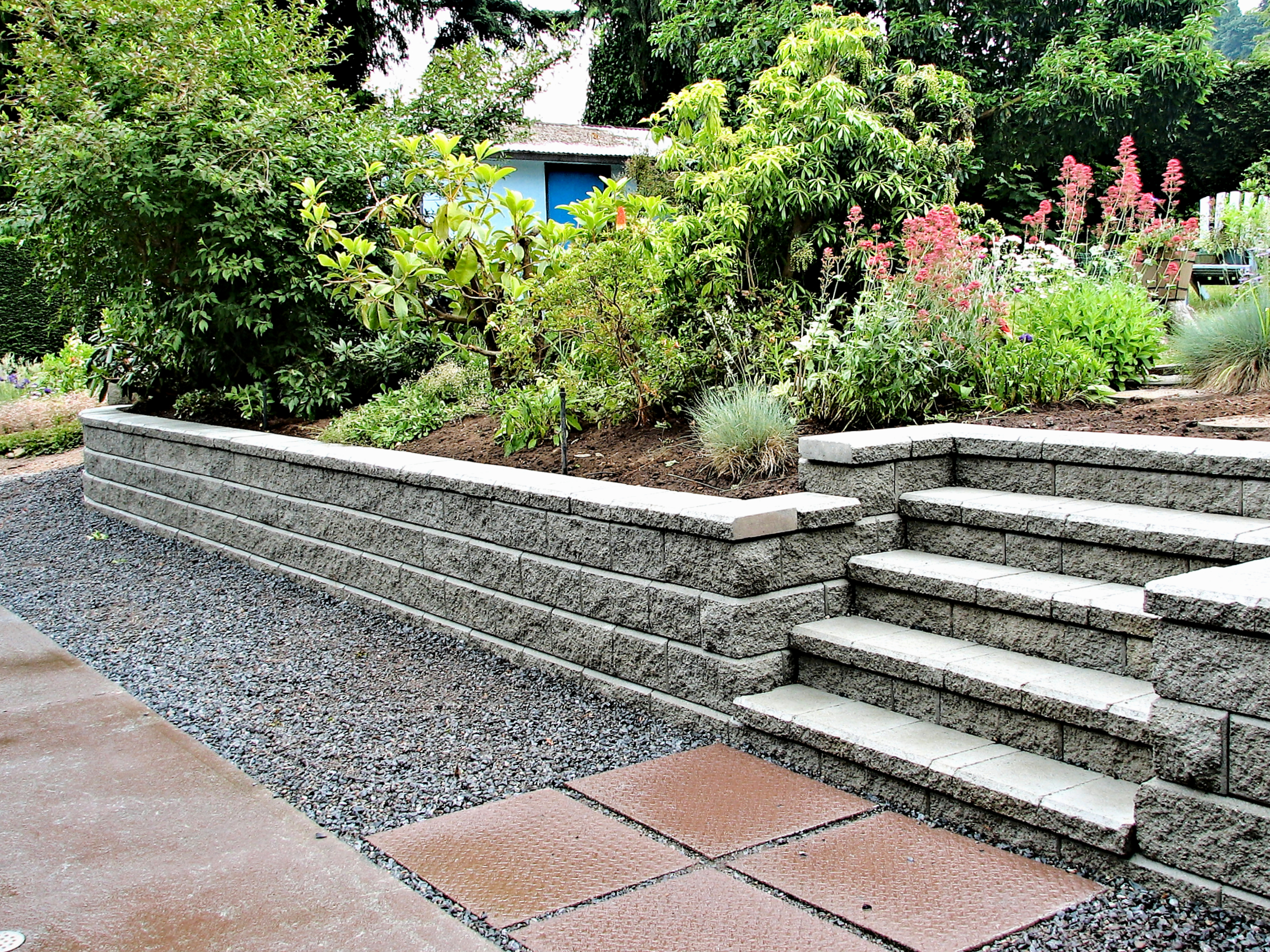
How Does Water Management Make a Retaining Wall Eco-Friendly?
Water is the number one reason retaining walls fail. When water builds up behind a wall, pressure increases dramatically. That pressure leads to bowing, cracking, and eventual collapse if it isn’t managed correctly.
An eco-friendly retaining wall is designed to move water safely away from the structure. EcoSmart Homes integrates drainage systems that relieve pressure and prevent saturation of the soil behind the wall. This protects not only the wall but also the surrounding landscape.
Proper drainage reduces erosion, limits runoff problems, and prevents water from being redirected in harmful ways. Instead of forcing water to behave unnaturally, the system guides it where it wants to go.
Why Does Insulation Play a Role in Retaining Wall Sustainability?
Insulation isn’t just for buildings. In certain applications, insulating a retaining wall can reduce temperature swings that cause expansion and contraction. In freeze-thaw climates, this matters a great deal.
When soil behind a wall freezes and thaws repeatedly, it expands and contracts, putting stress on the structure. Insulated retaining wall systems help moderate these temperature changes, reducing movement and long-term damage.
EcoSmart Homes uses insulation strategically to protect wall systems and adjacent structures. By stabilizing conditions around the wall, insulation extends service life and reduces the need for repair. That long-term stability is a key part of eco-friendly design.
How Do Material Choices
Affect Environmental Impact?
Not all materials age the same way. Some absorb water, degrade quickly, or rely on frequent surface treatments to remain functional. Others are stable, inert, and resistant to the conditions they’re exposed to.
EcoSmart Homes favors materials that don’t rot, attract pests, or break down when exposed to moisture. High-performance concrete systems, paired with engineered components, offer strength without relying on repeated chemical treatments or frequent resurfacing.
Using materials that maintain their integrity reduces waste over time. It also limits the need for coatings, sealers, and repairs that carry their own environmental costs.
What Makes a Wall System Better Than a Single Wall Product?
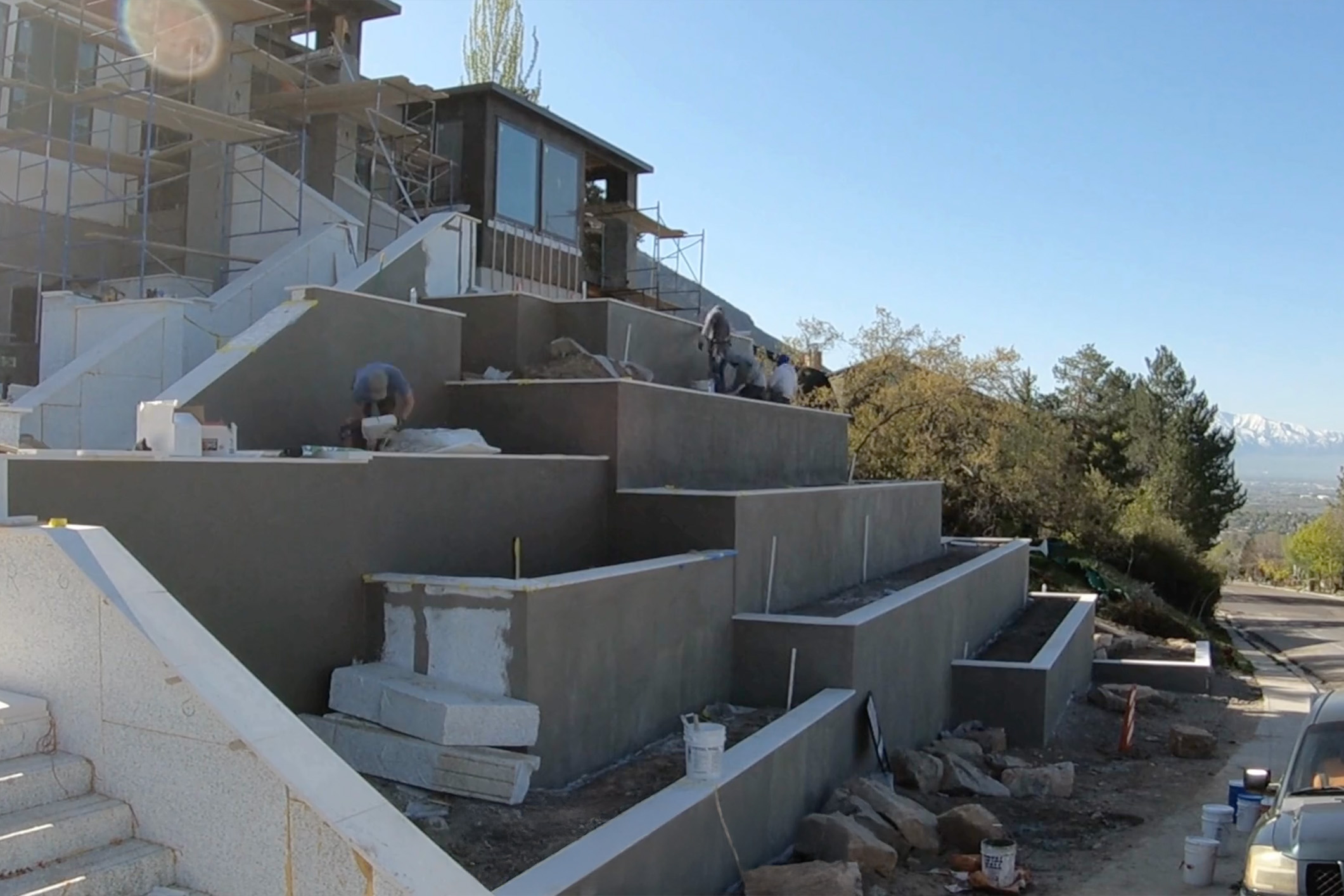
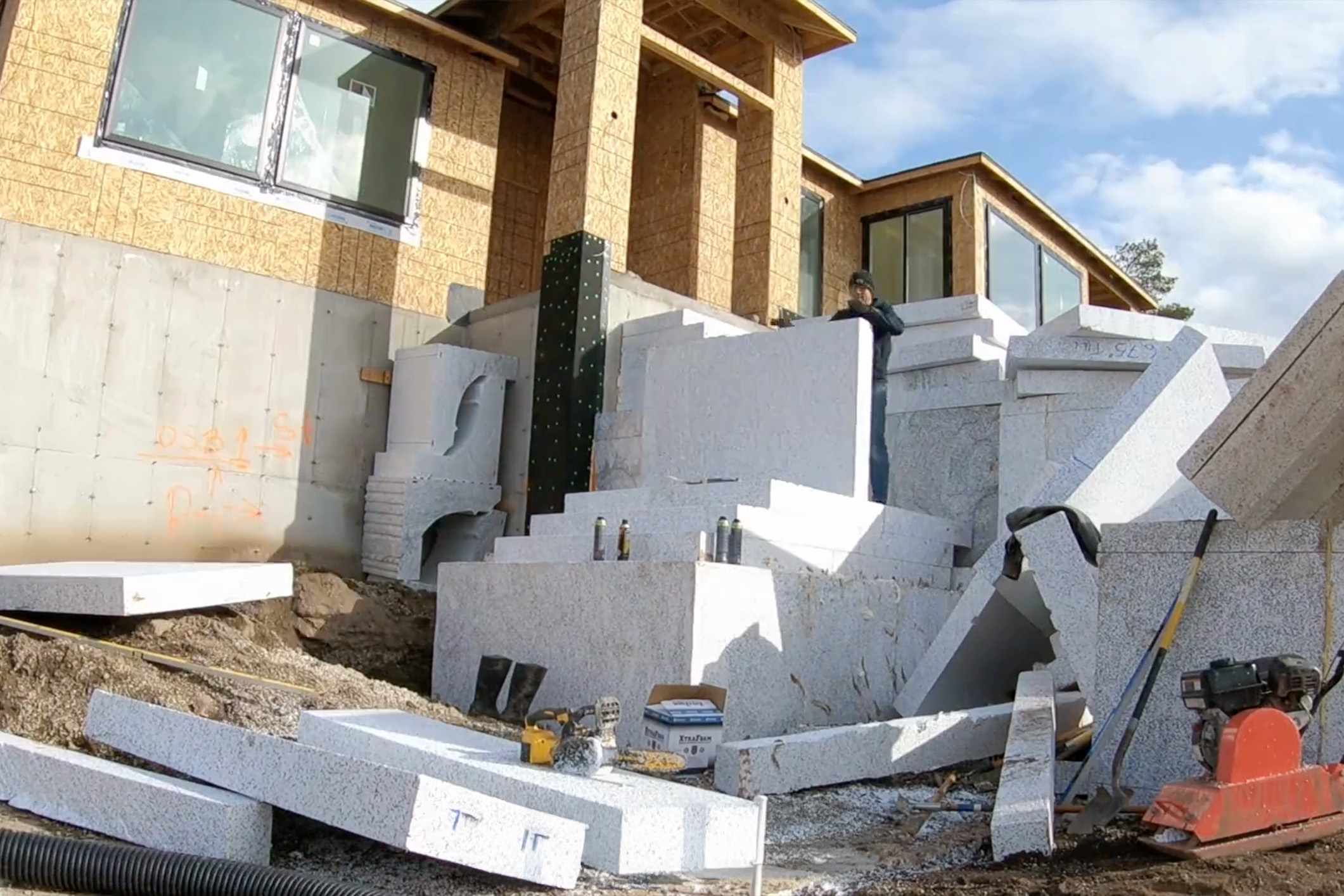
A retaining wall shouldn’t be viewed as a single object. It’s a system made up of structure, drainage, soil interaction, and surface finish. When those elements work together, the wall performs better and lasts longer.
EcoSmart Homes designs retaining walls as integrated systems. The structural components handle load. Drainage manages water. Finishes protect exposed surfaces. Each part supports the others.
This systems-based approach reduces weak points that lead to failure. It also allows the wall to adapt to site conditions instead of forcing a generic solution onto every property. Less waste, fewer fixes, and longer service life all stem from this kind of thinking.

How Does Reducing Maintenance Improve Sustainability?
Maintenance has a cost beyond time and money. Repainting, patching, rebuilding, and reinforcing all consume materials and energy. A retaining wall that needs frequent attention is quietly expensive from an environmental standpoint.
EcoSmart Homes aims to reduce maintenance by addressing root causes instead of symptoms. Moisture control, structural stability, and thoughtful detailing limit the conditions that lead to deterioration.
When homeowners aren’t constantly repairing a wall, fewer resources are used over the life of the structure. That reduction adds up in a meaningful way over decades.
Can an Eco-Friendly Retaining Wall Still Look Good?
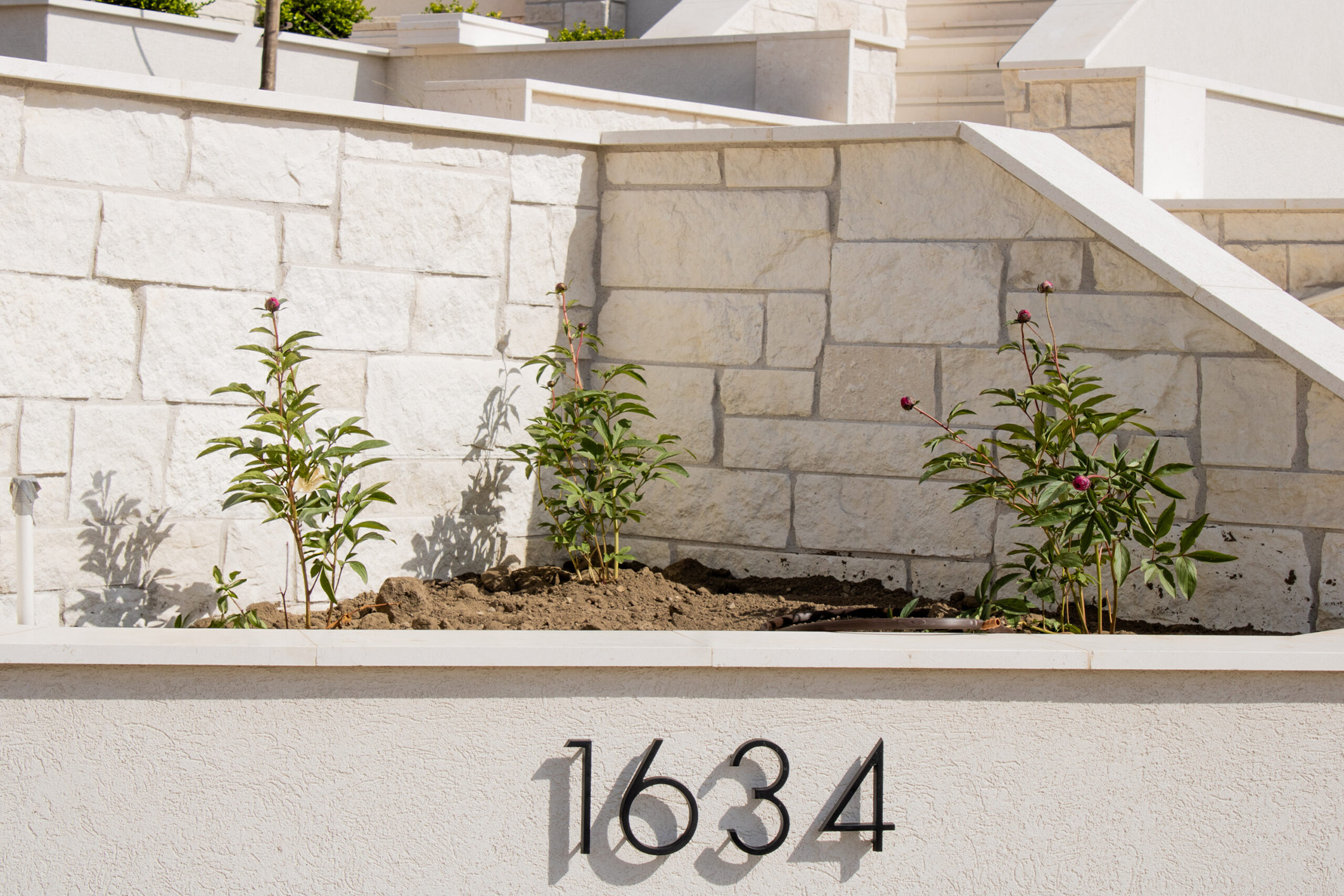
There’s a misconception that sustainable choices mean sacrificing appearance. In practice, the opposite is often true. When a retaining wall is structurally sound and properly detailed, finishes last longer and age more gracefully.
EcoSmart Homes designs retaining wall finishes that complement the home and landscape while remaining durable. When a finish stays intact instead of cracking or staining, it doesn’t need to be replaced or covered up later.
A wall that holds both its form and its appearance contributes to a cohesive site design without added intervention.

How Does Site-Specific Design Improve Environmental Outcomes?
Every property behaves differently. Soil type, slope, drainage patterns, and climate all influence how a retaining wall should be built. Using the same design everywhere often leads to overbuilding in some areas and underperformance in others.
EcoSmart Homes tailors retaining wall systems to the site. This reduces unnecessary excavation, material use, and disruption to the land. When a wall fits the site instead of forcing the site to fit the wall, the environmental footprint shrinks naturally.
Working with the land instead of against it is one of the simplest ways to build more responsibly.
What Should Homeowners Look for in an Eco-Friendly Retaining Wall?
An eco-friendly retaining wall isn’t defined by a single feature. It’s defined by how well it performs over time. Homeowners should look for systems that manage water, resist movement, and use materials that don’t degrade easily.
EcoSmart Homes builds retaining walls with a long view in mind. By focusing on durability, moisture control, and system design, we create structures that support the landscape without constant intervention.
The most sustainable retaining wall is the one you don’t have to worry about. When a wall quietly does its job year after year, protecting both the land and the home, that’s when eco-friendly design truly shows its value.